Fruit Timing Guide: Best Times to Eat for Maximum Benefits
TL;DR
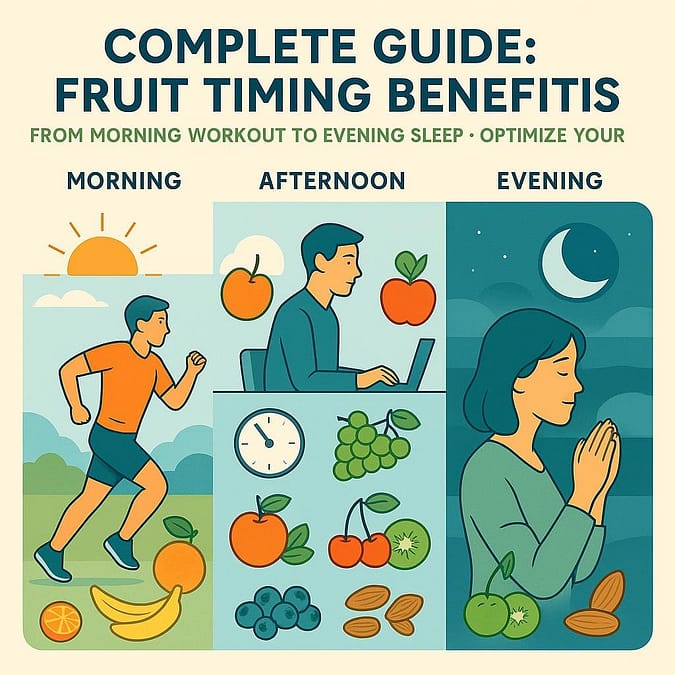
When you eat fruit matters as much as what you eat. Morning fruit consumption on an empty stomach maximizes nutrient absorption and jumpstarts metabolism, while pre-workout fruit provides quick energy and post-workout fruit aids muscle recovery. Evening fruit choices like berries or kiwi support better sleep without disrupting blood sugar, making strategic fruit timing a simple yet powerful tool for optimizing health, energy levels, and overall wellness throughout your day.
When you eat fruit matters just as much as what you eat. The timing of your fruit intake can shape how your body absorbs nutrients, manages energy, and even affects sleep quality.
Eating fruits at certain times during your day can really maximize their benefits—think more energy for your morning workout or better sleep at night.
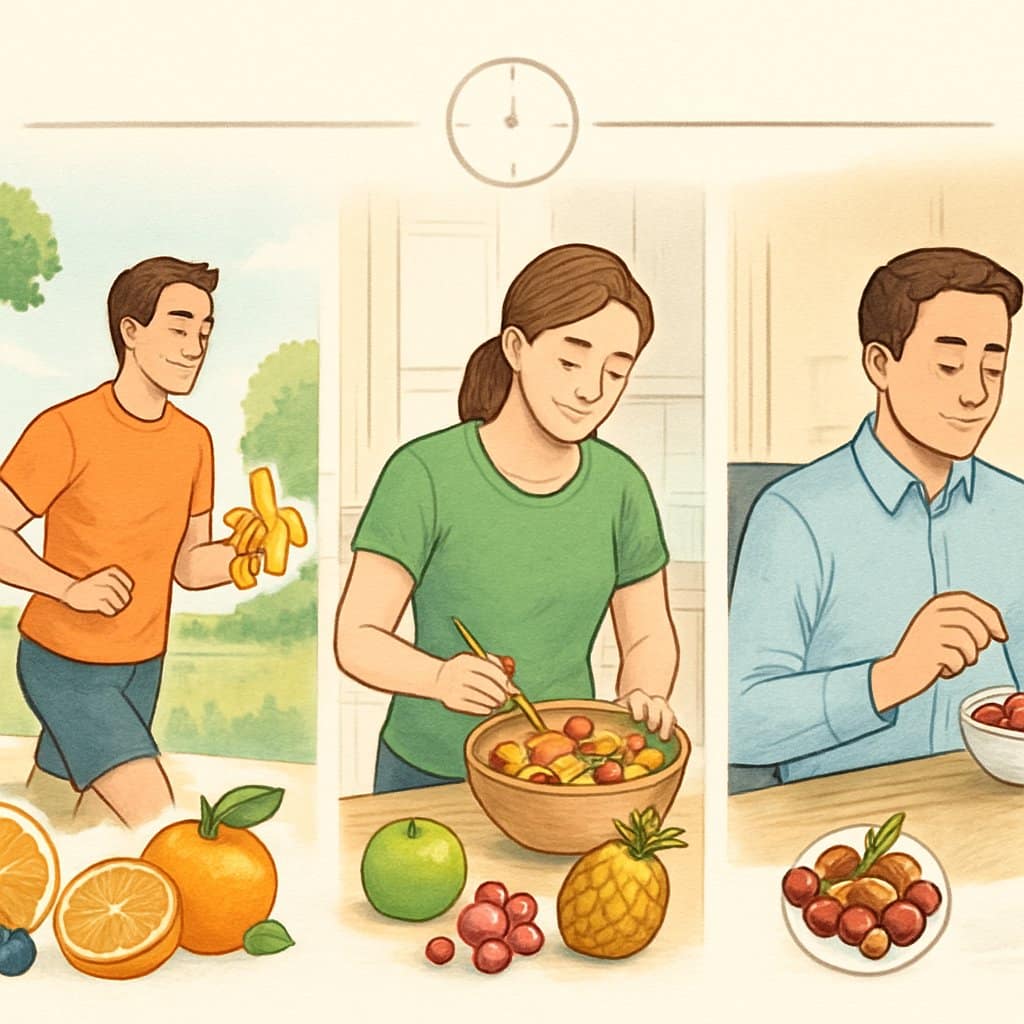
Lots of people just grab fruit whenever, but timing actually makes a big difference. Eating fruit in the morning usually jumpstarts your metabolism and gives you natural energy.
But if you snack on fruit in the evening, you’ve got to choose wisely or you risk messing with your sleep. Nailing the right timing can totally change how fruit works for you.
Try weaving fruit into your routine—on an empty stomach for digestion, before workouts to keep you going, and after exercise to help you recover.
Each time slot does something different for your health, turning a simple snack into a legit tool.
Key Takeaways
- Eating fruit on an empty stomach boosts nutrient absorption and digestion so you get the most out of it.
- Having fruit before a workout gives you quick energy, and munching on it after helps your muscles recover and refuel.
- At night, pick low-glycemic fruits like berries or kiwi—they’re less likely to mess with your sleep.
Why Fruit Timing Matters for Health and Energy
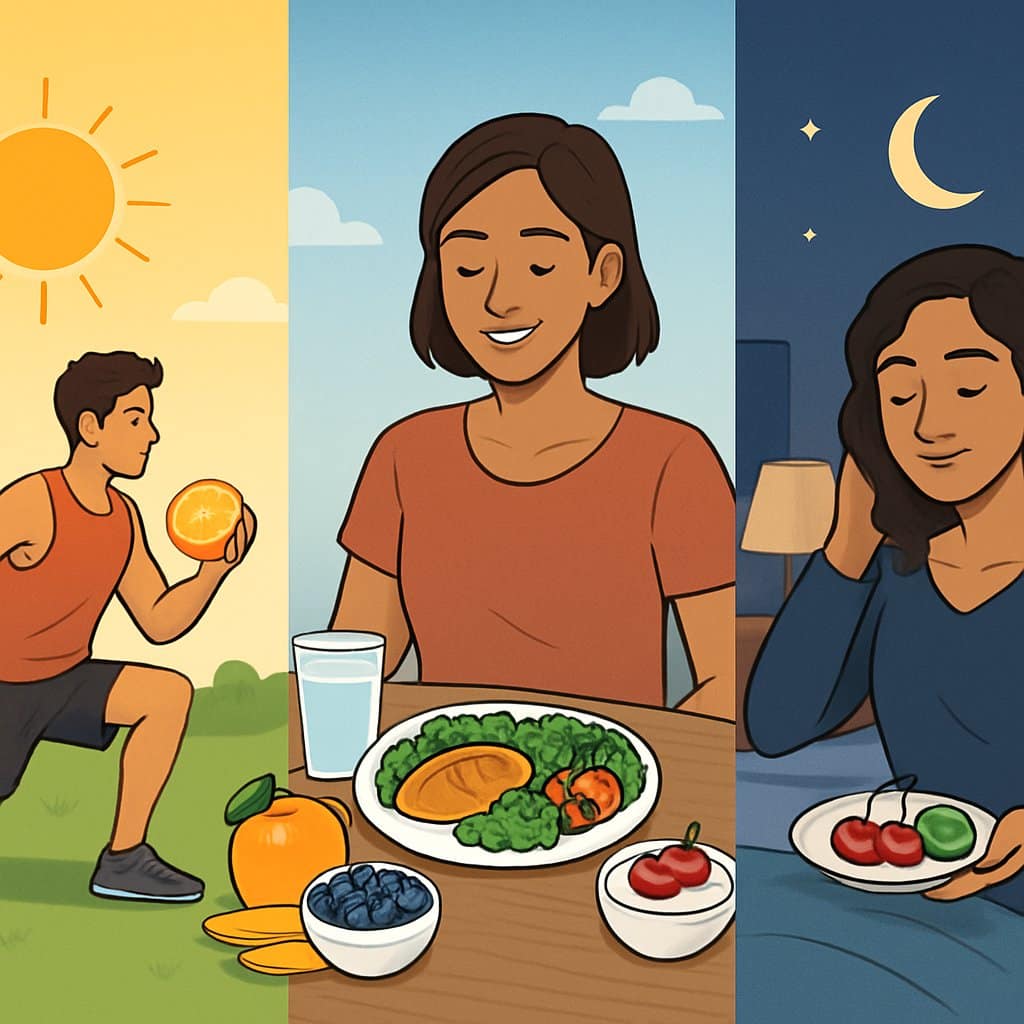
Believe it or not, when you eat fruit can totally shift how your body uses those nutrients. Your digestion, metabolism, and energy all respond to timing in ways that boost—or sometimes blunt—the benefits.
The Science Behind Fruit Timing
Your body treats food differently depending on the time of day. Fruit’s natural sugars get processed more efficiently at certain hours.
This ties in with your circadian rhythm, which guides things like metabolism and hormone levels.
In the morning, your body’s insulin sensitivity hits its peak. That means you can turn fruit sugars into energy more easily, instead of storing them as fat.
Fiber in fruit also matters. If you eat fruit on an empty stomach, it moves through your system faster, so you absorb more nutrients and have less fermentation (aka, less bloat).
Your digestive enzymes work harder during the day, so eating fruit when the sun’s up might help you get more out of it.
How Fruit Timing Influences Energy Levels
Eating fruit at the right times can give you solid energy boosts. Morning fruit perks you up after a night of fasting.
Before a workout, fruits like bananas or apples give you quick carbs for fuel. That’s usually enough to keep your workout strong from start to finish.
Best timing for energy management:
- Morning: Fast-digesting fruits like watermelon and citrus
- Pre-workout: Carby fruits such as bananas and apples
- Afternoon slump: Fiber-rich picks like berries or pears
Spreading out your fruit intake helps keep blood sugar steady. That means fewer energy crashes compared to sugary snacks.
Key Differences: Morning vs. Evening Consumption
Most folks say mornings are best for fruit, and there’s something to that. An empty stomach helps fruit digest faster, and your metabolism’s humming along in the morning.
But lately, some research says evening fruit isn’t all bad. It can help curb late-night sweet cravings with something natural, and fruits like cherries even have melatonin to help you sleep.
The fiber from evening fruit can help you feel full, which might stop you from raiding the pantry at midnight. Just try not to eat fruit right before bed—sometimes it can cause a little digestive drama.
Honestly, it’s about what works for you. Your schedule, workout habits, and how your body feels after eating fruit at different times all play a part.
Nutritional Benefits of Fruits
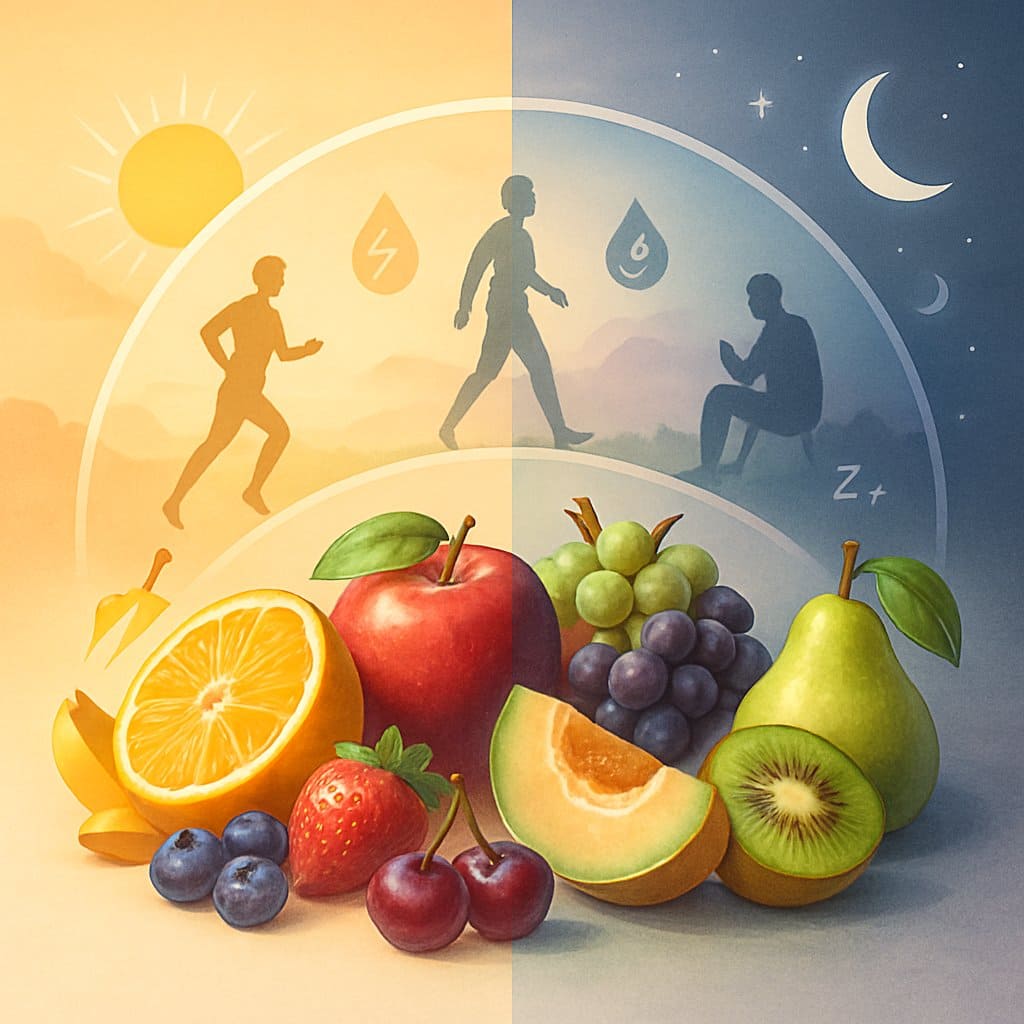
Fruits are loaded with essential nutrients that keep your body fueled all day. They’re colorful, tasty, and just make you feel good.
Essential Vitamins and Minerals
Most fruits are packed with vitamins and minerals you need daily. Vitamin C is a big one—an orange gives you about 70% of your day’s worth.
Potassium shows up in bananas, oranges, and apricots, helping with
Bananas and avocados also bring B vitamins, which help turn food into energy and keep your brain sharp.
Some fruits have less common minerals too:
- Manganese in pineapple
- Copper in berries
- Magnesium in bananas
Mix up the kinds you eat, and you’ll cover most of your bases.
Antioxidants and Their Role
Antioxidants in fruits help shield your cells from damage. They fight off free radicals, calm inflammation, and might even lower your risk of some nasty chronic diseases.
Different fruit colors mean different antioxidants:
- Red fruits (berries, cherries): anthocyanins
- Orange/yellow fruits (oranges, mangoes): beta-carotene
- Purple fruits (plums, grapes): resveratrol
Berries are the real MVPs for antioxidants. Blueberries, strawberries, and blackberries are great for your brain and memory.
Vitamin E, which you’ll find in avocados and kiwi, protects your cells and helps your skin and immune system. Your body can’t make most antioxidants, so eating fruit regularly is pretty much a must.
Fiber Content in Fruits
Fruits give you both soluble and insoluble fiber in your diet. Fiber keeps your digestion moving, stabilizes blood sugar, and helps you feel full longer.
High-fiber fruits include:
| Fruit | Fiber (grams) |
|---|---|
| Raspberries (1 cup) | 8g |
| Pear (medium) | 5.5g |
| Apple (medium) | 4.5g |
| Banana (medium) | 3g |
Soluble fiber, found in apples, citrus, and berries, dissolves in water and helps lower cholesterol. It also keeps your blood sugar from spiking.
Insoluble fiber, which you’ll find in fruits with edible skins and seeds, adds bulk and keeps things moving through your gut. That means less constipation and a happier belly.
Want the most fiber? Eat fruits whole, not juiced. The skin has a lot of the good stuff, both fiber and antioxidants.
Morning Fruit Consumption: Optimizing Your Start
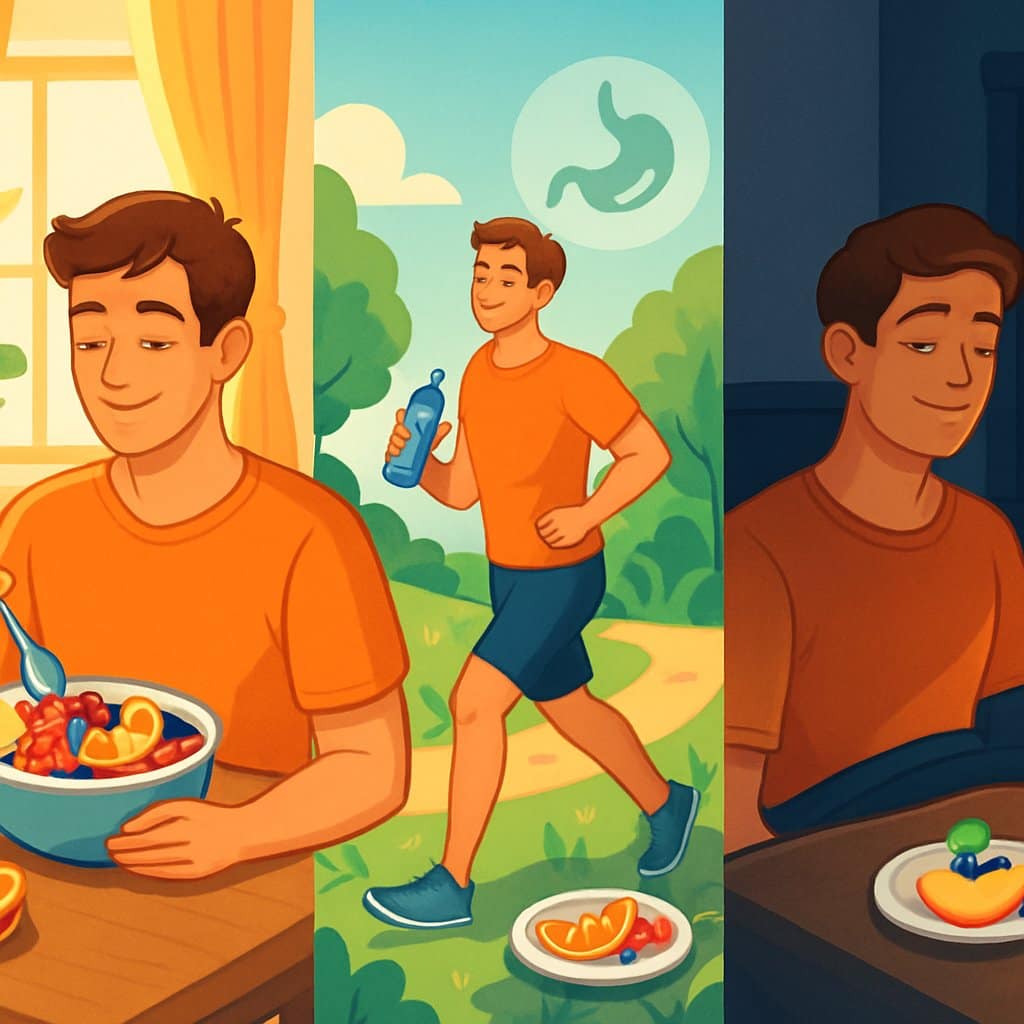
Starting your morning with fruit gives your body the nutrients it needs to wake up and get moving. The types of fruit and when you eat them can really influence your energy, digestion, and overall vibe for the day.
Eating Fruit on an Empty Stomach
When you eat fruit first thing, your body absorbs the nutrients better. Your system digests fruit quickly if there’s nothing else in your stomach.
Why it works: Fruit usually digests in about 20-30 minutes if you eat it alone, but it can take hours if you mix it with other foods. That means quick energy and less chance of feeling sluggish.
Fiber-rich fruits like apples help wake up your digestion gently. Morning fruit hydrates you after sleep and tops up your glycogen stores.
Give it 15-20 minutes before you eat anything else after your morning fruit. That little pause can help prevent bloating and make sure you get all the benefits.
Enhancing Breakfast with Fruit
Throwing fruit into your breakfast makes for a meal that’s both tasty and filling. It brings a natural sweetness, letting you skip the processed sugar and still enjoy your morning.
Fruit goes with just about any breakfast staple. You get a burst of flavor and a bunch of nutrients in one go.
Top breakfast pairings:
- Berries with oatmeal or yogurt
- Sliced banana on whole-grain toast
- Apple with nut butter
- Mixed fruit salad with a sprinkle of nuts
Berries are especially awesome—they’re full of antioxidants and have a low glycemic index. That means steady energy, not those annoying sugar crashes.
Overnight oats with fruit? Total game-changer for busy mornings. You get fast energy from fruit and longer-lasting fuel from oats.
Boosting Morning Energy and Metabolism
Fruit’s natural sugars give you an instant energy kick, just what you need to get moving. Unlike the sugar in pastries or cereal, fruit also has fiber, so you don’t crash an hour later.
Best energizing morning fruits:
- Bananas (potassium and B vitamins)
- Apples (steady release of energy)
- Oranges (vitamin C and hydration)
- Watermelon (hydration and electrolytes)
Start your morning with fruit and you’ll jumpstart your metabolism. Your body switches from sleep mode to energy mode, using up the fructose to refill liver glycogen after a night without food.
If you’re heading to the gym, grab some fruit 30-45 minutes beforehand. The sugars fuel your workout, and the water in fruit helps you stay hydrated before you even start sweating.
Fruit and Workouts: Pre-Workout and Post-Workout Strategies
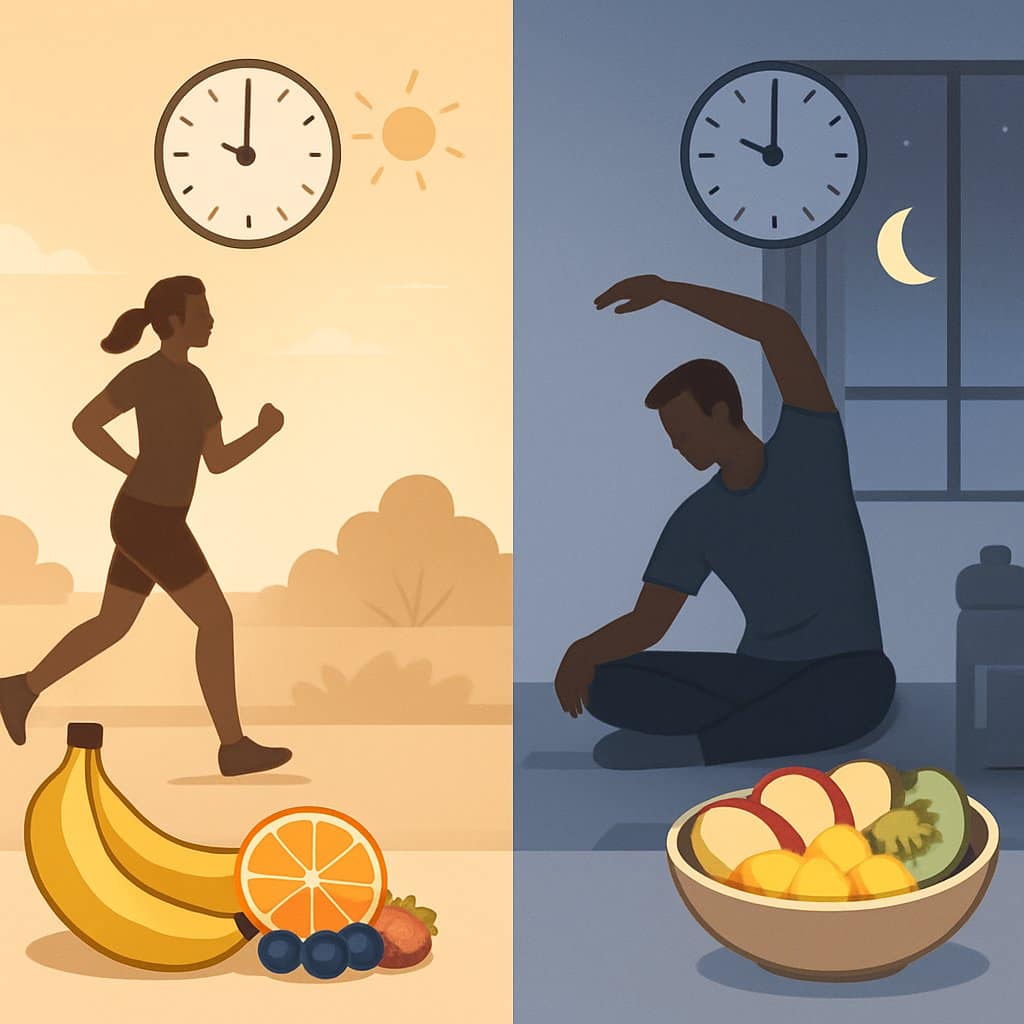
When you time your fruit around workouts, you can really boost both how you feel and how you recover. Fruits bring quick energy and nutrients that keep your muscles happy.
Choosing the Right Fruits Before Exercise
Pick fruits that digest easily and give you quick energy before a workout. Bananas are a go-to—they’re loaded with potassium and natural sugars, which help stop muscle cramps and give you an energy boost.
Oranges are another solid choice. You get vitamin C, hydration, and a little pick-me-up from the sweetness.
Eat your fruit about 30 to 60 minutes before you exercise. That way, your body has time to turn it into fuel right when you need it.
Best Pre-Workout Fruit Options:
- Bananas (potassium-rich)
- Oranges (vitamin C, hydration)
- Apples (fiber, steady energy)
- Berries (antioxidants, lower sugar)
Fruit for Post-Workout Recovery
After a workout, your body needs to refill its energy stores and help muscles recover. Fruits work well for this, especially when you mix them with some protein.
Pineapple is pretty cool because it has bromelain, which may help with inflammation and muscle recovery. Toss some in a smoothie with protein powder for a tasty recovery drink.
Berries are packed with antioxidants that fight post-exercise inflammation. Pair them with Greek yogurt for a snack that covers both carbs and protein.
Post-Workout Fruit Combinations:
- Banana + whey protein shake
- Berries + Greek yogurt
- Pineapple + cottage cheese
- Apple slices + nut butter
Try to eat your post-workout snack within 45 minutes to 2 hours after exercise. That’s when your muscles are most ready to soak up those nutrients.
Afternoon Snacking: Sustaining Energy and Focus

Afternoons can hit you with that dreaded energy slump. Fruit makes a great snack to help you power through without overloading on calories.
Fruit as an Ideal Afternoon Snack
Fruits are awesome afternoon snacks—they give you quick energy and fiber to keep blood sugar steady. When the afternoon slump hits, grab an apple, pear, or a handful of berries for a natural boost.
Add a little protein to your fruit for an even better snack. Apple with peanut butter or berries with almonds keeps you full longer and helps avoid that late-day crash.
Keep your portions reasonable. One medium fruit or about a cup of cut fruit is usually enough to curb hunger without spoiling your dinner.
Managing Hunger and Blood Sugar in the Afternoon
That stretch between lunch and dinner can be tricky for blood sugar. Fruit helps keep things steady, thanks to its fiber, which slows down how fast sugar hits your system.
If you’re watching your blood sugar, pair lower-glycemic fruits like berries or apples with protein. It gives you lasting energy without big spikes.
Snack on fruit about 3-4 hours after lunch. It keeps hunger at bay and helps you avoid overeating come dinnertime.
Don’t forget hydration. Fruits like watermelon or oranges not only feed you but help you stay hydrated, too. That can make a difference in how you feel through the afternoon.
Evening Fruit Consumption: Enhancing Sleep and Recovery
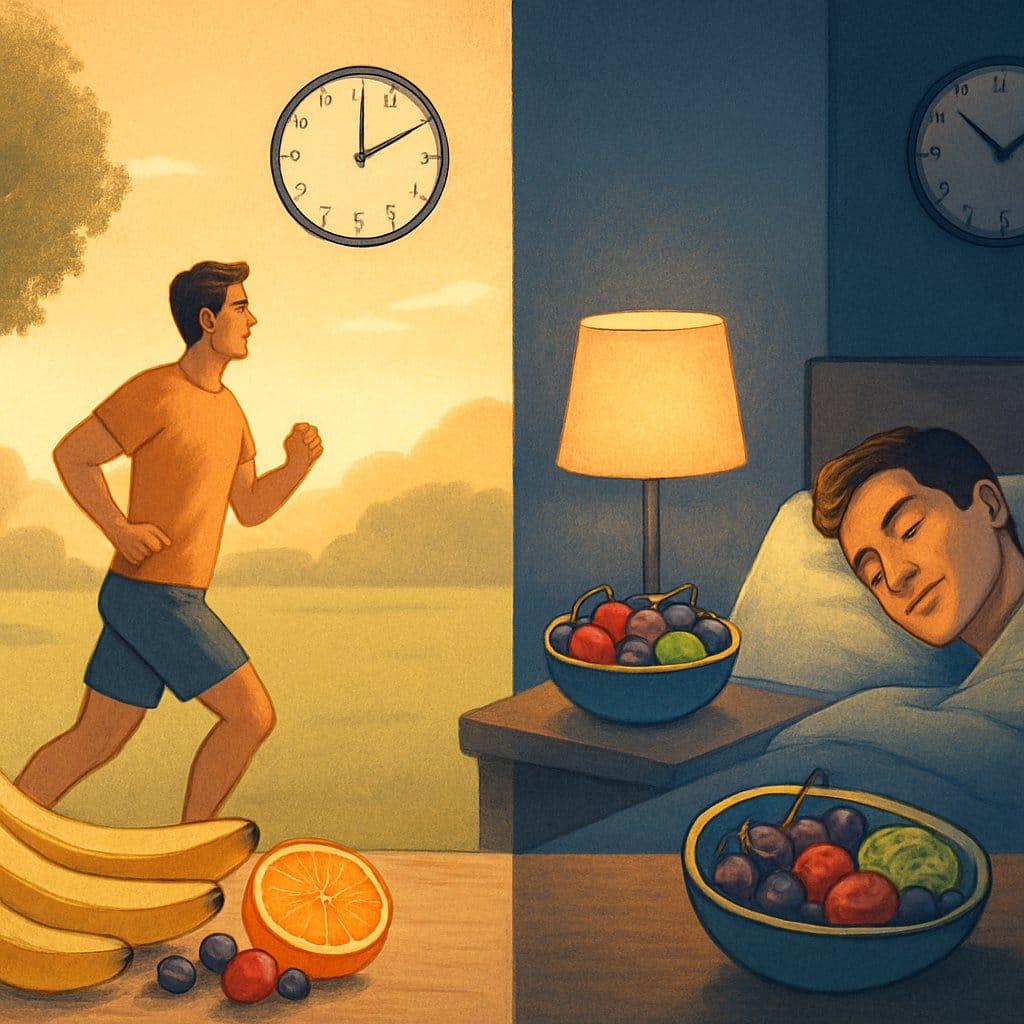
Some fruits in the evening can actually help you sleep better and bounce back faster. The right pick at the right time can set you up for a restful night.
Impact on Sleep Quality and Circadian Rhythm
Eating fruit at night can support your body’s recovery as you wind down. Fruits with natural melatonin help regulate your sleep cycle, syncing with your internal clock.
Some fruits have tryptophan, which helps your body make serotonin and melatonin—key for sleep. Try to have your fruit 1-2 hours before bed so it has time to digest.
Natural sugars in fruit can boost serotonin and help you relax, especially after a long or active day.
Selecting Fruits That Support Better Sleep
Kiwifruit has shown in studies to improve sleep for folks with trouble sleeping. With antioxidants and serotonin, kiwis can help you fall asleep faster and stay asleep longer.
Tart cherries are a top choice for sleep. They bring:
- Natural melatonin
- Anti-inflammatory compounds
- Antioxidants that fight oxidative stress
Bananas are packed with magnesium and potassium, which relax your muscles and help stop nighttime cramps. Vitamin B6 in bananas also helps with melatonin production.
Don’t go overboard on evening fruit. A little can help you sleep, but too much might upset your stomach and mess with your rest.
Fruits and Digestion: Timing for Gut Health
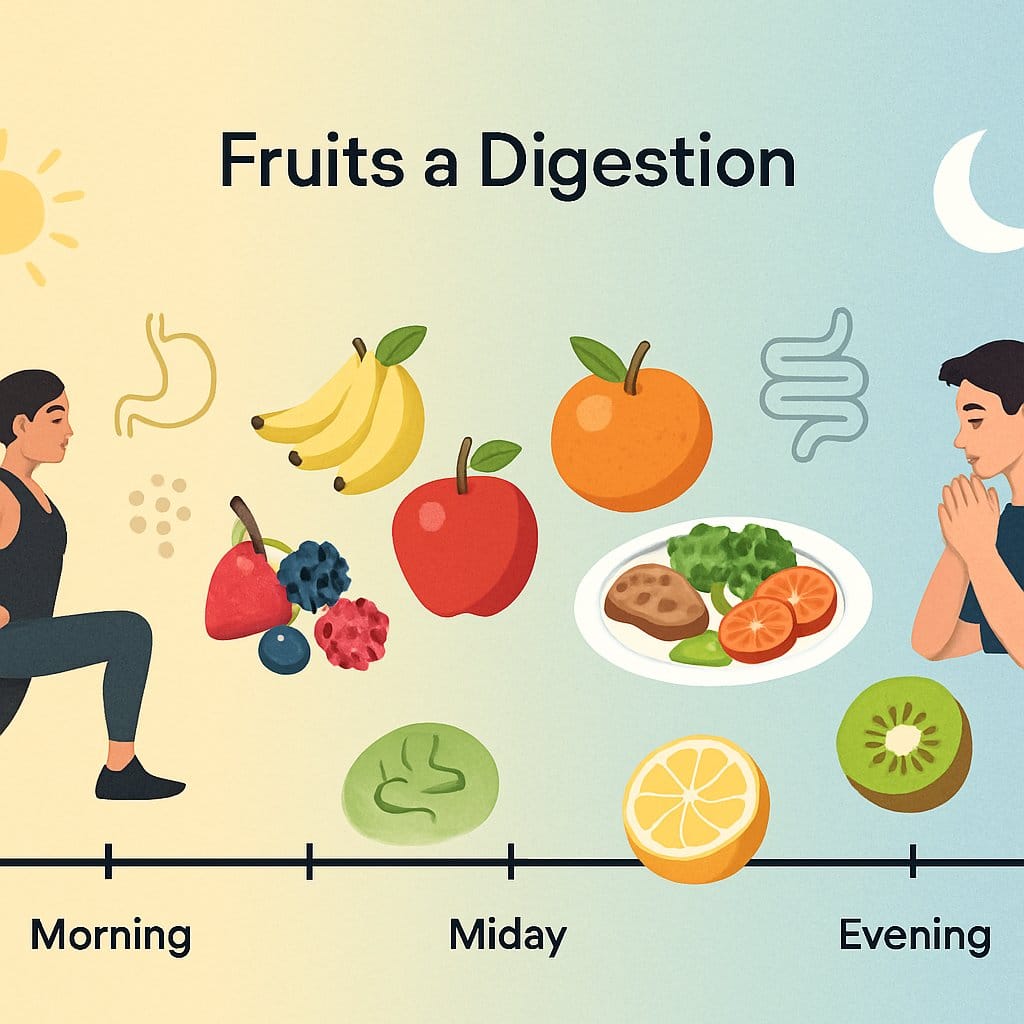
When you eat fruit can make a big difference for digestion and gut health. Timing matters almost as much as the type of fruit you choose.
How Fruit Affects the Digestive System
Eating fruit on an empty stomach helps digestion. Your body processes fruit quickly when it’s not competing with heavier foods, which is why mornings work so well for many people.
Fruits have natural enzymes that break down food. They work best when they’re not up against a bunch of protein or starch from other foods.
The fiber in fruit is key. There are two types:
- Soluble fiber: Mixes with water, slows digestion, and helps keep blood sugar steady
- Insoluble fiber: Bulks up your stool and helps food move through your system
Whole fruits keep all the fiber, which slows sugar absorption and is great for your gut. Juiced fruit, though, loses most of that goodness.
Influence on Gut Bacteria
Fruits feed your beneficial gut bacteria, creating a healthier microbiome.
The timing of fruit consumption can really make a difference here.
Eating certain fruits in the evening can support your gut bacteria while you sleep.
Low-sugar options like berries offer prebiotic fiber and won’t mess with your sleep schedule.
Fruits with prebiotic properties help nourish probiotic bacteria in your gut.
- Bananas (slightly underripe)
- Apples
- Berries
- Kiwi
Fermented fruit products like water kefir introduce beneficial bacteria straight into your digestive system.
They work nicely alongside the prebiotic effects of fresh fruits.
Managing Blood Sugar and Moderation

Fruit timing affects blood sugar levels in different ways throughout the day.
Knowing how this works lets you make smarter choices and still enjoy your favorite fruit snacks.
Fruit Choices for Stable Blood Sugar
Not all fruits hit your blood sugar the same way.
Low glycemic options include:
- Berries (strawberries, blueberries, raspberries)
- Apples with skin
- Pears
- Cherries
These fruits have more fiber, which slows down sugar absorption.
That helps you avoid those annoying blood sugar spikes.
Pairing fruit with protein or healthy fats can keep blood sugar steadier.
Try an apple with almond butter or berries with Greek yogurt—delicious and practical.
Timing matters more than you might think.
If you eat fruit alone as a snack, especially high-sugar ones like bananas or grapes, your blood sugar can jump quickly.
It works better to add fruit to balanced meals instead.
Some people notice a bigger insulin response in the morning, while others find evening fruit feels better.
Addressing Diabetes and Insulin Sensitivity
If you deal with diabetes or insulin sensitivity, fruit timing gets even trickier.
Eating fruit before bed might raise blood sugar during sleep and mess with your rest.
The “dawn phenomenon” naturally bumps up blood sugar by 20-30% between 4:00-8:00 a.m.
Morning exercise can help bring it back down.
Portion control is huge here. Measure fruit servings like this:
- 1 medium fruit (apple, orange)
- 1 cup berries
- ½ banana
Spread fruit out over your day instead of eating a bunch at once.
Even modest weight management through balanced eating can help improve blood sugar control.
Losing just 5-10% of your body weight can make a real difference.
Selecting the Right Fruits for Your Goals
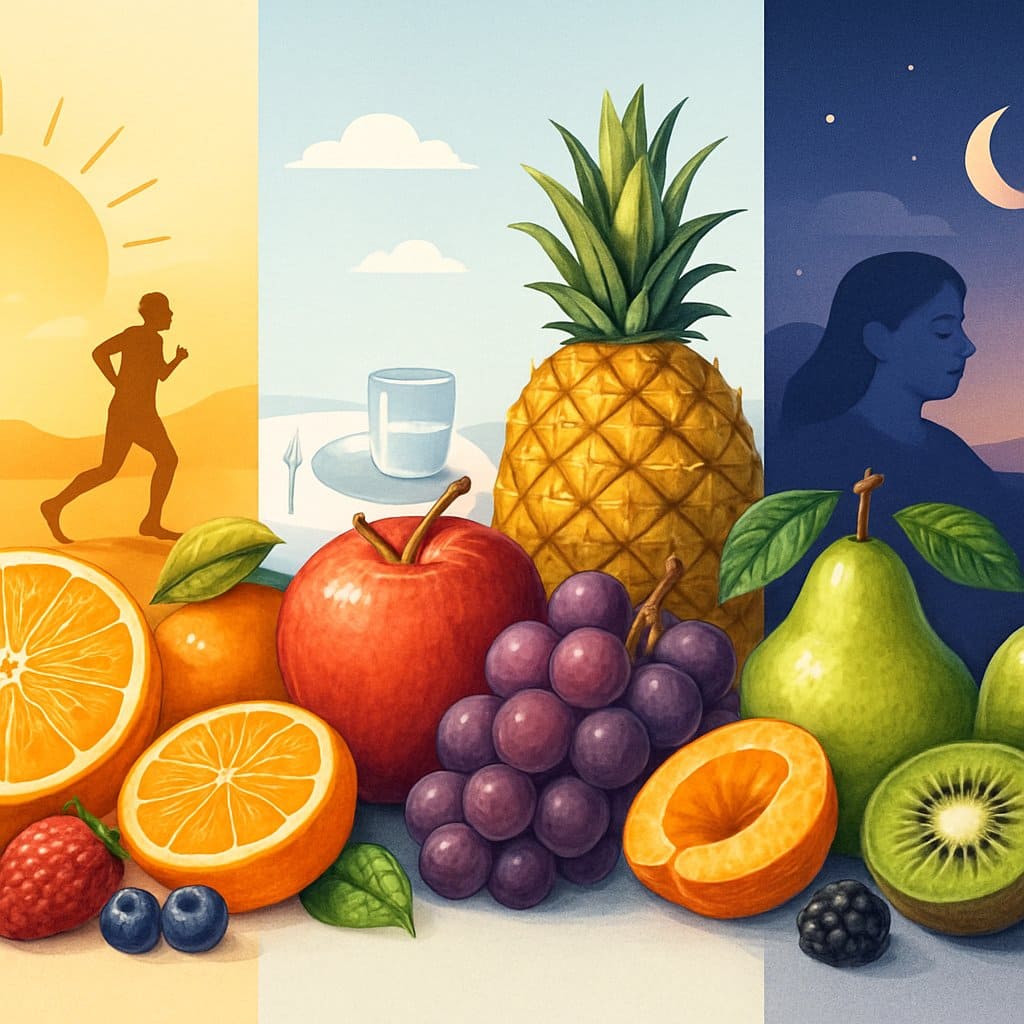
Different fruits bring different perks, depending on what you’re after.
Picking the right fruits at the right times can help with weight management, immunity, and just feeling good overall.
Fruits for Weight Loss and Metabolism
Some fruits are real MVPs for your weight loss game.
Berries like strawberries, blueberries, and raspberries are low in calories but high in fiber.
They keep you full longer and support healthy digestion.
Apples have pectin, a fiber that slows digestion and helps control blood sugar.
Grab an apple about 30 minutes before a meal and you might eat less overall.
Grapefruit sometimes gets credit for boosting metabolism and supporting weight loss.
Half a grapefruit before meals might help regulate insulin and curb hunger.
Watermelon is over 90% water, so it’s super hydrating and low-calorie.
It totally satisfies sweet cravings without blowing your calorie budget.
For the best results, eat these metabolism-boosting fruits in the morning or before a workout.
Your body can use their natural sugars for energy when you need it most.
Supporting Immune System and Disease Prevention
Citrus fruits like oranges, lemons, and limes are packed with vitamin C. That little boost helps your immune system stay strong and keeps infections at bay.
Starting your morning with citrus might just give you a head start for the day.
Kiwi actually has more vitamin C than oranges. It also brings potassium, vitamin K, and a bunch of antioxidants to the table.
Those antioxidants? They help your body handle oxidative stress and fight off inflammation.
Papaya comes with papain, which is an enzyme that helps your digestion. It also calms inflammation, which is always a good thing.
Plus, papaya packs a one-two punch of vitamin A and C, which both support your immune system and keep your skin looking fresh.
Mango is no slouch either. It’s loaded with vitamins A, C, and E, and honestly, more than 20 different vitamins and minerals.
Its antioxidants fight free radicals that can mess with your cells.
⏰ Fruit Timing Cheat Sheet
| Time of Day | Best Fruits | Primary Benefit | Avoid |
|---|---|---|---|
| 6-9 AM | Berries, Citrus, Papaya | Metabolism boost | Heavy fruits on full stomach |
| Pre-Workout | Banana, Apple, Orange | Quick energy | High-fiber fruits |
| Post-Workout | Banana, Pineapple, Watermelon | Recovery & hydration | Dried fruits (too concentrated) |
| 2-4 PM | Apple, Grapes, Pear | Energy maintenance | Large portions |
| Evening (7-9 PM) | Kiwi, Tart Cherries, Berries | Sleep support | Bananas, Grapes, Mango |
Key Takeaways
- Eating fruit on an empty stomach in the morning boosts nutrient absorption by 20-30% and jumpstarts your metabolism, providing natural energy that lasts throughout the day without the crash associated with processed sugars.
- Pre-workout fruit consumption 30-60 minutes before exercise provides quick-digesting carbohydrates for sustained energy, while post-workout fruit within 45 minutes to 2 hours helps refill glycogen stores and supports muscle recovery when paired with protein.
- Low-glycemic evening fruits like berries, kiwi, and tart cherries contain natural melatonin and tryptophan that support better sleep quality without spiking blood sugar levels before bed.
- Pairing fruit with protein or healthy fats—like apple with almond butter or berries with Greek yogurt—stabilizes blood sugar and prevents energy crashes by slowing sugar absorption.
- Fiber-rich fruits like apples, pears, and berries support gut health by feeding beneficial bacteria and promoting healthy digestion, especially when consumed separately from heavy proteins or starches.
- For weight management, consuming metabolism-boosting fruits like berries, grapefruit, and apples in the morning or before meals can reduce overall calorie intake and help control appetite throughout the day.
- Citrus fruits and vitamin C-rich options like kiwi and papaya are most effective for immune support when eaten in the morning, allowing your body to utilize their antioxidants and vitamins during peak metabolic hours.
Frequently Asked Questions About Fruit Timing
What is the best time of day to eat fruit?
The best time to eat fruit is in the morning on an empty stomach, ideally 15-20 minutes before breakfast. During this time, your body’s insulin sensitivity is at its peak, allowing for more efficient processing of natural fruit sugars into energy rather than fat storage. Morning fruit consumption also jumpstarts your metabolism after the overnight fast and provides quick hydration and nutrients to fuel your day.
That said, fruit timing should align with your personal goals and schedule. Pre-workout fruit (30-60 minutes before exercise) provides quick energy, while post-workout fruit aids recovery. Afternoon fruit combats energy slumps, and certain evening fruits like berries or kiwi can support better sleep when consumed 1-2 hours before bed.
The key is consistency and listening to your body’s response to fruit at different times throughout the day.
Should I eat fruit before or after a meal?
Eating fruit before a meal, typically 20-30 minutes beforehand, is generally more beneficial for digestion and nutrient absorption. When consumed on an empty stomach, fruit digests quickly—usually within 20-30 minutes—allowing your body to absorb vitamins, minerals, and antioxidants more efficiently. This timing also helps prevent fermentation that can occur when fruit sits in your stomach waiting for slower-digesting proteins and starches to process.
Eating fruit before meals can also help with portion control and weight management. The fiber and water content in fruit helps you feel fuller, potentially reducing overall calorie intake during the main meal. Apples, for instance, contain pectin fiber that slows digestion and helps regulate blood sugar when consumed before eating.
However, if you have diabetes or digestive sensitivities, eating fruit alongside a balanced meal with protein and healthy fats can help stabilize blood sugar and prevent spikes. The best approach depends on your individual health goals and how your body responds.
Is it bad to eat fruit at night before bed?
Eating fruit at night isn’t inherently bad, but the type of fruit and timing matter significantly. High-sugar fruits like bananas, grapes, or mangoes consumed right before bed can cause blood sugar spikes that interfere with sleep quality and promote fat storage during your body’s rest period. Additionally, eating any food too close to bedtime can cause digestive discomfort and disrupt your circadian rhythm.
However, certain low-glycemic fruits can actually support better sleep when consumed 1-2 hours before bed. Kiwifruit has been shown in studies to improve sleep quality due to its serotonin and antioxidant content. Tart cherries contain natural melatonin that regulates sleep cycles, and berries provide antioxidants without excessive sugar. These fruits can help curb late-night sweet cravings with something nutritious rather than processed desserts.
The key is moderation and timing—stick to small portions of low-sugar fruits and allow adequate digestion time before lying down to sleep.
What fruits should I eat before a workout for energy?
The best pre-workout fruits are those rich in easily digestible carbohydrates that provide quick energy without causing stomach discomfort. Bananas top the list because they’re packed with potassium, which prevents muscle cramps, and natural sugars that deliver immediate fuel. Apples offer steady energy release thanks to their fiber content, while oranges provide hydration, vitamin C, and a quick energy boost from their natural sugars.
Berries like strawberries and blueberries are excellent for those who prefer lower sugar options, offering antioxidants that combat exercise-induced oxidative stress. Watermelon is another smart choice for its high water content and quick-digesting sugars, making it ideal for hydration before intense workouts. Time your fruit consumption 30-60 minutes before exercise to allow proper digestion and energy availability.
Avoid high-fiber fruits like pears or large portions right before exercise, as they can cause bloating or digestive discomfort during physical activity.
Does eating fruit on an empty stomach cause bloating?
For most people, eating fruit on an empty stomach actually reduces bloating rather than causing it. When fruit is consumed alone, it digests quickly—typically within 20-30 minutes—and passes through your system efficiently without fermenting. Bloating often occurs when fruit is eaten after or with heavier foods like proteins and starches, causing the fruit to sit in your stomach and ferment while waiting for slower-digesting foods to process.
However, some individuals with sensitive digestive systems or conditions like IBS may experience bloating from certain fruits on an empty stomach, particularly those high in FODMAPs like apples, pears, or watermelon. The natural fruit sugars and fiber can trigger gas and discomfort in these cases. If you experience bloating, try low-FODMAP fruits like berries, oranges, or bananas, and ensure you’re eating ripe fruit rather than underripe options that are harder to digest.
Start with small portions and pay attention to how your body responds to different fruits at different times. If morning fruit consistently causes issues, try eating it 30 minutes after a light breakfast instead.
Can eating fruit at the wrong time affect blood sugar levels?
Yes, fruit timing significantly impacts blood sugar levels, especially for individuals with diabetes or insulin sensitivity. Eating high-sugar fruits alone as a snack can cause rapid blood sugar spikes followed by crashes, leading to energy fluctuations and increased hunger. This effect is more pronounced in the evening when your body’s insulin sensitivity naturally decreases, making it harder to process sugars efficiently. Consuming fruit right before bed can elevate blood sugar during sleep, potentially disrupting rest and promoting fat storage.
To manage blood sugar effectively, pair fruit with protein or healthy fats to slow sugar absorption. For example, apple slices with almond butter or berries with Greek yogurt create a more balanced snack that prevents dramatic spikes. Morning consumption is generally better because your body’s insulin sensitivity is at its peak between waking and mid-morning, allowing for more efficient sugar processing. The natural dawn phenomenon already raises blood sugar by 20-30% in the early morning hours, so choosing lower-glycemic fruits like berries during this time is particularly wise.
Spreading fruit intake throughout the day in measured portions rather than consuming large amounts at once helps maintain stable blood sugar and sustained energy levels.
How long should I wait to eat after having fruit?
After eating fruit on an empty stomach, wait approximately 15-30 minutes before consuming other foods. This timing allows the fruit to pass through your stomach and begin digestion in your small intestine without interference from slower-digesting foods. Fruit contains natural enzymes and simple sugars that process quickly when not mixed with proteins, fats, or complex carbohydrates. Giving fruit this head start maximizes nutrient absorption and prevents fermentation that can cause bloating, gas, and digestive discomfort.
The exact waiting time can vary depending on the type of fruit and your individual digestive system. Watery fruits like watermelon or citrus digest fastest—often within 15-20 minutes—while denser fruits like bananas or apples may take closer to 30 minutes. If you’ve eaten a large portion of fruit or combined multiple types, waiting the full 30 minutes ensures optimal digestion.
Conversely, if you’ve just eaten a full meal, wait 2-3 hours before consuming fruit to avoid digestive conflicts. This spacing allows your body to properly process the meal before introducing quick-digesting fruit into your system.
Trainer-delivered nutrition guidance that fits real New York schedules.
See nutrition services