
Senior Fitness Safety Tips: Exercising With Arthritis, Heart Disease, Diabetes and More
Regular exercise is one of the best things older adults can do for their health, including for people living with arthritis, osteoporosis, heart disease, diabetes or the effects of a stroke. The key is doing the right kind of exercise, at the right level, with a few precautions that fit your health.
This guide covers how much exercise older adults need, when to talk to your doctor, general safety tips, condition-by-condition advice, warning signs to stop, and how to get past the most common barriers. It is general information, not medical advice, so use it alongside guidance from your own doctor or therapist.
The short version
- Most older adults, including those with chronic conditions, benefit from a mix of aerobic activity, strength training and balance work.
- If you have a heart condition, diabetes or another chronic condition, or you get symptoms like chest pain or dizziness with activity, talk to your doctor before starting something new.
- Start low and build up slowly. If you cannot do the full recommended amount, do what your health allows. Some activity is better than none.
- Learn the warning signs that mean stop and get help, such as chest pain or sudden weakness on one side of the body.
- A supervised program, such as cardiac rehab or physical therapy, is often the best starting point after a heart event, stroke or fracture.
How much exercise older adults need
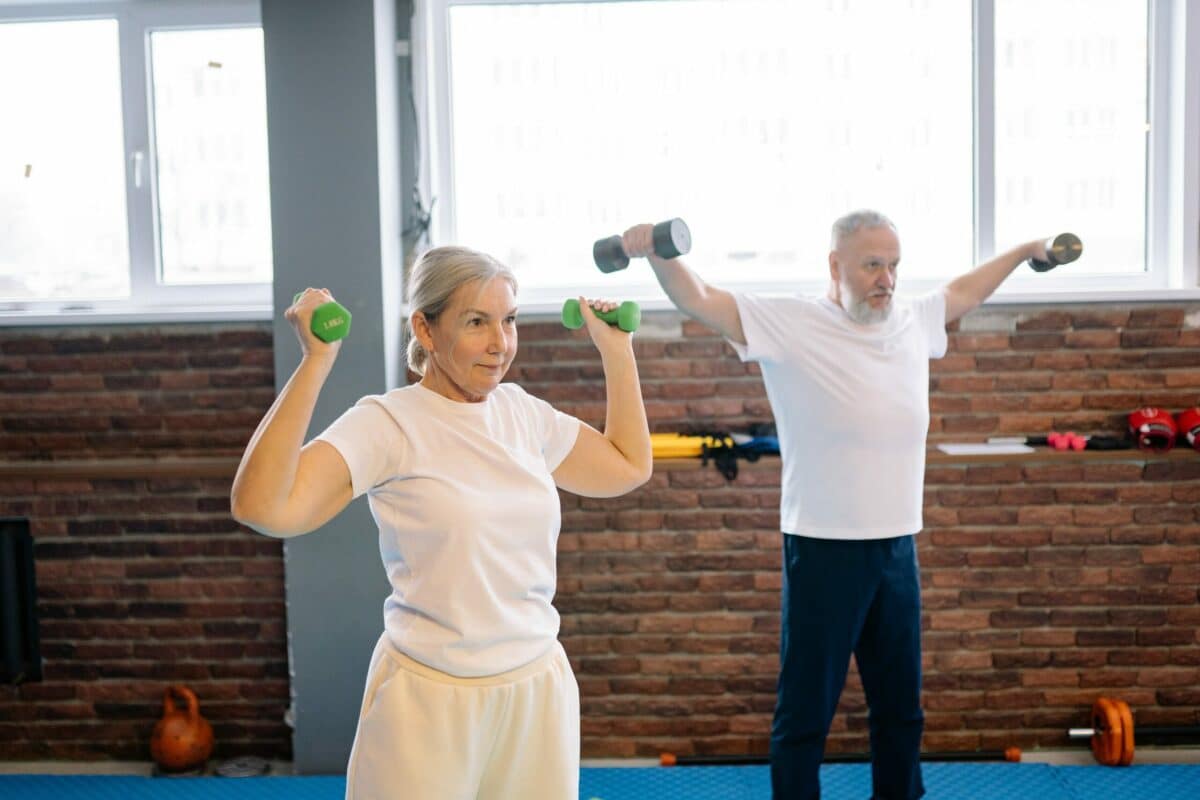
The Physical Activity Guidelines for Americans recommend that adults 65 and older aim for:
- Aerobic activity: at least 150 minutes a week of moderate activity, such as brisk walking, or 75 minutes of vigorous activity.
- Muscle strengthening: at least 2 days a week, working all the major muscle groups.
- Balance training: as part of your weekly routine, along with aerobic and strength activities.
The guidelines also say that older adults with chronic conditions should understand whether and how their conditions affect their ability to be active safely, and that if you cannot meet these amounts, you should be as physically active as your abilities and conditions allow. For a full program of strength, balance and flexibility exercises, see our guide to strength training for seniors.
Before you start: talk to your doctor
Check with your doctor before starting a new exercise program or making it harder if you:
- Have heart disease, high blood pressure, diabetes, kidney disease or lung disease
- Have had a heart attack, stroke, surgery, fracture or hospital stay recently
- Get chest pain, dizziness or unusual shortness of breath with activity
- Have joint problems, osteoporosis or balance problems
- Take medicines that affect your heart rate, blood pressure or blood sugar
Ask which activities are best for you, whether any movements or intensities to avoid apply to you, and which symptoms should make you stop. Some heart and blood pressure medicines, such as beta-blockers, keep your heart rate lower during exercise, so heart rate targets may not work for you. In that case, go by how hard the effort feels instead.
General safety tips
- Warm up and cool down. Spend 5 to 10 minutes moving gently before and after exercise.
- Use the talk test. During moderate activity, you should be able to talk but not sing. If you cannot speak a full sentence, slow down.
- Start low, go slow. Increase one thing at a time, such as a few more minutes or a slightly heavier weight, every week or two.
- Breathe. Do not hold your breath while lifting. Breathe out as you push or lift.
- Have support nearby. Do balance exercises next to a sturdy chair, counter or wall.
- Dress for it. Wear supportive, non-slip shoes and comfortable clothes.
- Drink water before, during and after exercise (unless your doctor has told you to limit fluids), and take extra care in hot, humid weather.
- Make your space safe. Clear clutter, cords and loose rugs from the area, and make sure it is well lit.
Exercising with common health conditions
Here is a quick overview, followed by more detail on each condition.
| Condition | Helpful exercise | Key precautions |
|---|---|---|
| Arthritis | Walking, cycling, water exercise, strength training, gentle stretching | Keep pain mild; cut back if joints hurt more 2 hours after exercise than before |
| Osteoporosis | Weight-bearing exercise, strength training, balance and posture work | Avoid rounding and twisting the spine, and high impact if you have had a fracture or your fracture risk is high |
| Heart disease | Cardiac rehab, walking, cycling, light to moderate strength training | Get your doctor’s OK, warm up longer, never hold your breath while lifting |
| Diabetes | Walking and other aerobic exercise, strength training, balance work | Watch for low blood sugar, check your feet, wear well-fitting shoes |
| Stroke | Therapist-guided walking, cycling, strength and balance training | Start with rehab, guard against falls, know the signs of another stroke |
Arthritis

Exercise is one of the best non-drug treatments for arthritis. The CDC notes that physical activity can reduce pain and improve function, mood and quality of life for adults with arthritis. Strong muscles around a joint help support and protect it.
- Choose joint-friendly activities such as walking, cycling, swimming and water exercise.
- Add strength training for the muscles around sore joints, starting light.
- Stretch gently and move your joints through their comfortable range every day.
- Use the 2-hour pain rule. Some mild discomfort is normal. If your joints hurt more 2 hours after exercise than they did before, do less next time.
- Time it well. Many people find exercise easier when their joints are least stiff, and a warm shower beforehand can help.
- During a flare, ease off and focus on gentle range-of-motion movements until it settles.
Osteoporosis
Exercise helps maintain bone strength, and strength and balance training lower your risk of falls, which cause most hip fractures in older adults. The right moves matter more with osteoporosis than with most conditions.
- Do weight-bearing exercise, such as walking, stair climbing or dancing, if your doctor says it is safe for you.
- Strength train at least 2 days a week, with good form and gradual progress.
- Work on balance and posture, including exercises that strengthen the upper back.
- Avoid movements that round or twist your spine, especially under load, such as sit-ups, crunches, toe touches and twisting with weights.
- Bend at your hips and knees, not your waist, and keep your back straight when you pick things up.
- Skip high-impact moves like jumping if you have had a fracture or your fracture risk is high, unless your doctor or physical therapist approves them.
For more on preventing falls, see our guide to fall prevention for seniors.
Heart disease
Regular exercise strengthens the heart and helps control blood pressure, cholesterol and weight. For people with heart disease, the safest way to start is usually with medical guidance.
- Ask about cardiac rehab after a heart attack, heart surgery, a stent or a heart failure diagnosis. These supervised programs build exercise up safely, and Medicare and many insurers cover them for eligible people.
- Do moderate aerobic activity such as walking or cycling, at the level your doctor or rehab team recommends.
- Strength train with lighter weights and more repetitions, and never hold your breath.
- Take longer to warm up and cool down, and avoid sudden bursts of very hard effort unless your care team has cleared you for them.
- Keep any prescribed medicine, such as nitroglycerin, with you while you exercise.
For more ideas, see our guide to cardio exercise for seniors.
Diabetes
Exercise helps your body use insulin better and can lower blood sugar. The American Diabetes Association recommends that most adults with diabetes get at least 150 minutes of moderate to vigorous aerobic activity a week, spread over at least 3 days with no more than 2 days in a row off, plus strength training 2 to 3 times a week. Older adults are also advised to do flexibility and balance training.
- Watch for low blood sugar if you take insulin or certain diabetes pills. Ask your doctor whether to check your blood sugar before and after exercise, and carry a fast-acting carbohydrate such as glucose tablets or juice.
- Know the signs of low blood sugar, such as shakiness, sweating, confusion and a fast heartbeat, and stop to treat it.
- Look after your feet. Wear well-fitting shoes and check your feet for blisters or sores after exercise, especially if you have nerve damage.
- Check with your eye doctor before heavy lifting or very hard exercise if you have diabetic eye disease.
- Break up long periods of sitting. Short walks or a few minutes of movement every 30 minutes help with blood sugar control.
Stroke
After a stroke, exercise helps you regain strength, balance and independence, and it helps manage risk factors for another stroke, such as high blood pressure. The American Heart Association recommends that stroke survivors do regular aerobic and strength exercise, adapted to their abilities.
- Start with rehab. Physical and occupational therapists can tailor exercises to your specific weakness and help you return to daily tasks.
- Use stable equipment such as a recumbent bike or seated exercises if balance is a problem, and have support nearby when you stand.
- Train both sides, with extra attention to the weaker side, as your therapist advises.
- Build up gradually as fatigue allows. Tiredness is common after a stroke, so shorter, more frequent sessions can help.
- Know the signs of another stroke: sudden face drooping, new weakness or numbness in an arm or leg, or trouble speaking. Call 911 right away if they appear.
Warning signs: when to stop
Stop exercising and call 911 if you have:
- Chest pain, pressure or tightness, or pain spreading to your arm, neck or jaw
- Sudden numbness or weakness, especially on one side of the body, a drooping face, trouble speaking or a sudden, severe headache
- Fainting, severe dizziness or confusion
- Severe shortness of breath that does not ease with rest
Stop and contact your doctor if you notice an irregular or racing heartbeat, new joint swelling or sharp pain. If symptoms of low blood sugar do not improve after treatment, get medical help right away.
Overcoming common barriers
- Fear of falling or getting hurt: start with seated and supported exercises, and build balance gradually. Working with a professional can build confidence.
- Pain: choose low-impact activities, keep effort moderate, and talk to your doctor about managing pain so you can stay active.
- Low energy: short sessions count. Even a few minutes of walking at a time adds up, and regular activity often improves energy over time.
- Not knowing where to start: pick one activity you enjoy, such as walking, and build a routine around it. Our progressive walking plan is a simple place to begin.
- Getting to a gym: you do not need one. Bands, light dumbbells and a sturdy chair are enough for a full routine at home. See our guide to the best exercise equipment for seniors.
- Staying motivated: exercise with a friend or partner, schedule sessions like appointments, and track your progress.

Working with a trainer
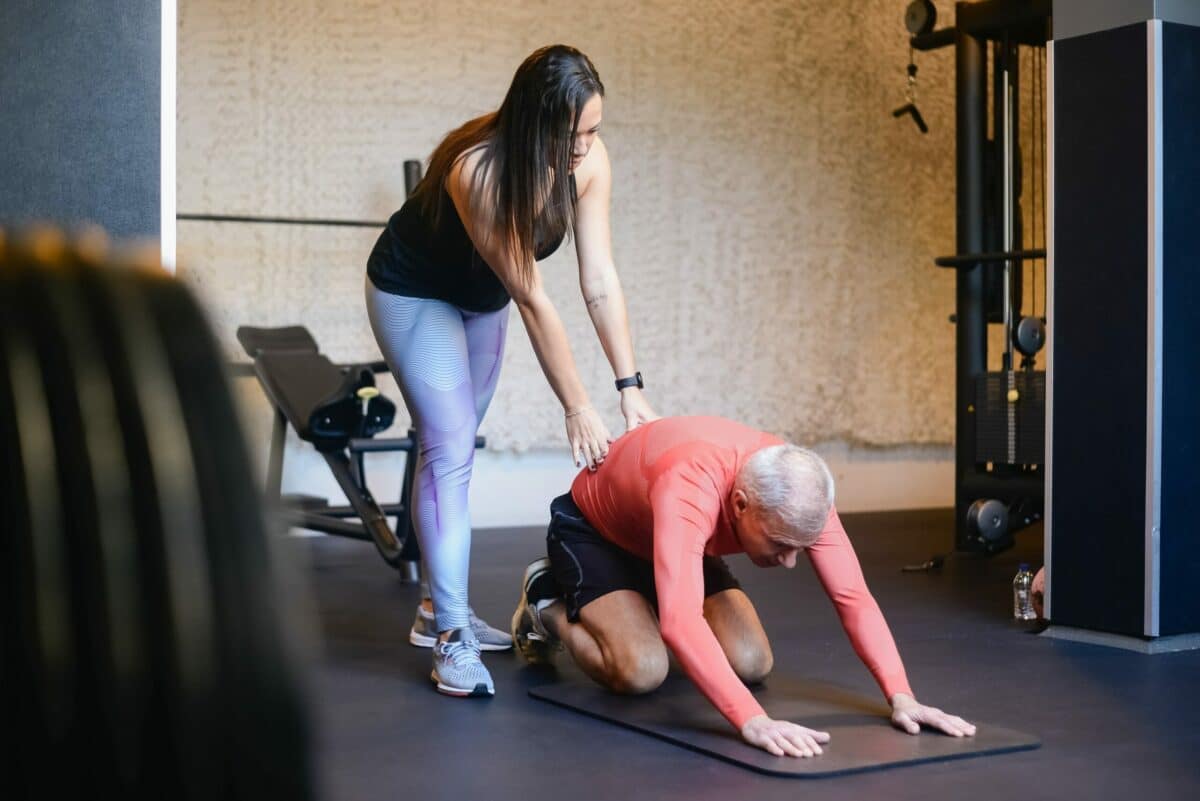
A trainer who works with older adults can help you exercise safely around a health condition, keep you accountable and adjust your program as you get stronger. A Type A Training trainer comes to your home, your building gym or a park in Manhattan and builds a program around your health, your goals and the space you have. Learn more about personal training for seniors, or read why seniors hire an in-home trainer.
Frequently asked questions
Do I need my doctor’s permission to start exercising?
If you have a heart condition, diabetes, kidney disease or another chronic condition, or you get symptoms such as chest pain or dizziness, check with your doctor first. Many healthy older adults can start light to moderate activity, like walking, and build up gradually.
What exercises should seniors avoid?
It depends on your health. People with osteoporosis should avoid rounding and twisting the spine under load and may need to avoid high-impact moves. People with heart disease or high blood pressure should avoid holding their breath while lifting and sudden very hard efforts unless cleared. Your doctor or physical therapist can tell you what applies to you.
Is it safe to exercise with arthritis pain?
Mild discomfort is normal and usually eases as you warm up. If your joints hurt more 2 hours after exercise than before, cut back next time. During a flare, stick to gentle range-of-motion movements.
Can seniors with heart disease lift weights?
Many can, with their doctor’s approval. Use lighter weights and more repetitions, breathe out as you lift, and build up slowly. Cardiac rehab programs often include strength training.
Should I check my blood sugar before exercise?
If you take insulin or medicines that can cause low blood sugar, ask your doctor whether to check before and after exercise, and carry a fast-acting carbohydrate in case you need it.
What kind of exercise helps after a stroke?
A mix of aerobic, strength, balance and flexibility exercise, usually starting in a rehab program with physical and occupational therapists. As you improve, you can continue at home or with a trainer.
How much exercise do older adults need?
At least 150 minutes of moderate aerobic activity a week, strength training at least 2 days a week, and regular balance training. If a health condition makes that hard, do as much as your abilities and conditions allow.
Patient, certified trainers who specialize in balance, strength, and confidence, in your own home.
Explore senior training