The 5 Best Carbon Plate Running Shoes of 2027 and How to Choose
Type A Training may earn a commission when you buy through links on this page, at no extra cost to you. Prices are US list prices as of October 2026 and change often.
Carbon plate running shoes, often called super shoes, pair a stiff plate with a thick layer of light, bouncy foam. They were built for racing, and in lab studies they make running cheaper in energy terms for most runners. They are also expensive, may lose their performance edge sooner than regular trainers and are not for every run.
This guide covers what these shoes are, what the research says about speed, our five picks for 2027 with a few alternatives, the running shoe terms you need to compare them, how to fit them into a shoe rotation, and how to start using them safely.
The short version
- In lab studies, super shoes lowered the energy cost of running by about 1 to 4 percent on average, depending on the study and the pace, and the effect varies a lot from runner to runner.
- Best all-around racer: Nike Vaporfly 4. Softest for the marathon: Saucony Endorphin Elite 3. Best stable pick: Brooks Hyperion Elite 6. Best value: ASICS Magic Speed 5.
- Fit and comfort come first. A fast shoe that rubs or feels unstable will not help you on race day.
- Save them for races and key workouts, do your easy miles in regular trainers, and rotate between pairs.
- Build up gradually. Start with short sections of faster runs before you race in them.
What carbon plate running shoes are
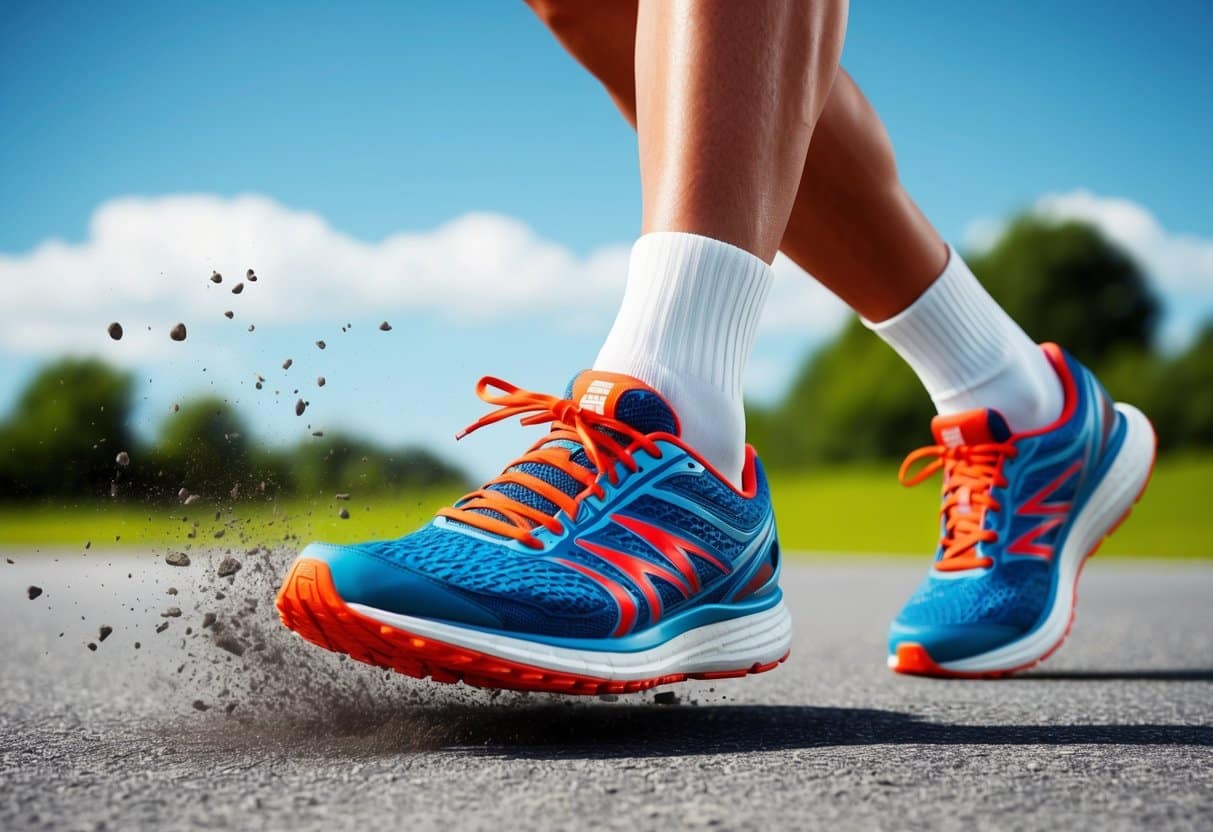
A carbon plate running shoe has a thin, stiff plate, usually carbon fiber, set inside a tall midsole of highly resilient foam, most often a PEBA-based foam. Most also have a rocker, a curved sole that helps you roll forward onto your toes. Researchers call this category advanced footwear technology.
The idea went mainstream with the Nike Vaporfly 4%. Early versions were worn at the 2016 Olympic marathon, and it went on sale in 2017. Today nearly every major running brand makes one.
The plate gets the attention, but the foam and the shape of the shoe matter at least as much. In one 2022 study, cutting through the forefoot of a Vaporfly plate to make it less stiff did not significantly change running economy. Think of the shoe as a package: foam, plate and rocker working together.
Do they actually make you faster?
The best evidence comes from lab tests of running economy, which is how much energy you use to hold a given pace:
- The first big study (Hoogkamer and colleagues, Sports Medicine, 2018) found that a Vaporfly prototype cut the energy cost of running by about 4 percent on average in 18 high-level runners, and every runner improved.
- The benefit varies. A 2023 study of 14 runners found individual results ranging from a large benefit to a large penalty, so some runners gain little, nothing or even run less efficiently.
- Slower runners: the evidence is mixed. One 2023 study found a smaller benefit, about 1 percent, at roughly 8 to 10 minute miles, while a 2026 study found savings of 2 to 3 percent even at slow speeds.
Better running economy usually means you can hold a faster pace for the same effort, but the gain on race day depends on you, the shoe and the course. Training, pacing and fueling still matter more than any shoe.
Our picks for 2027
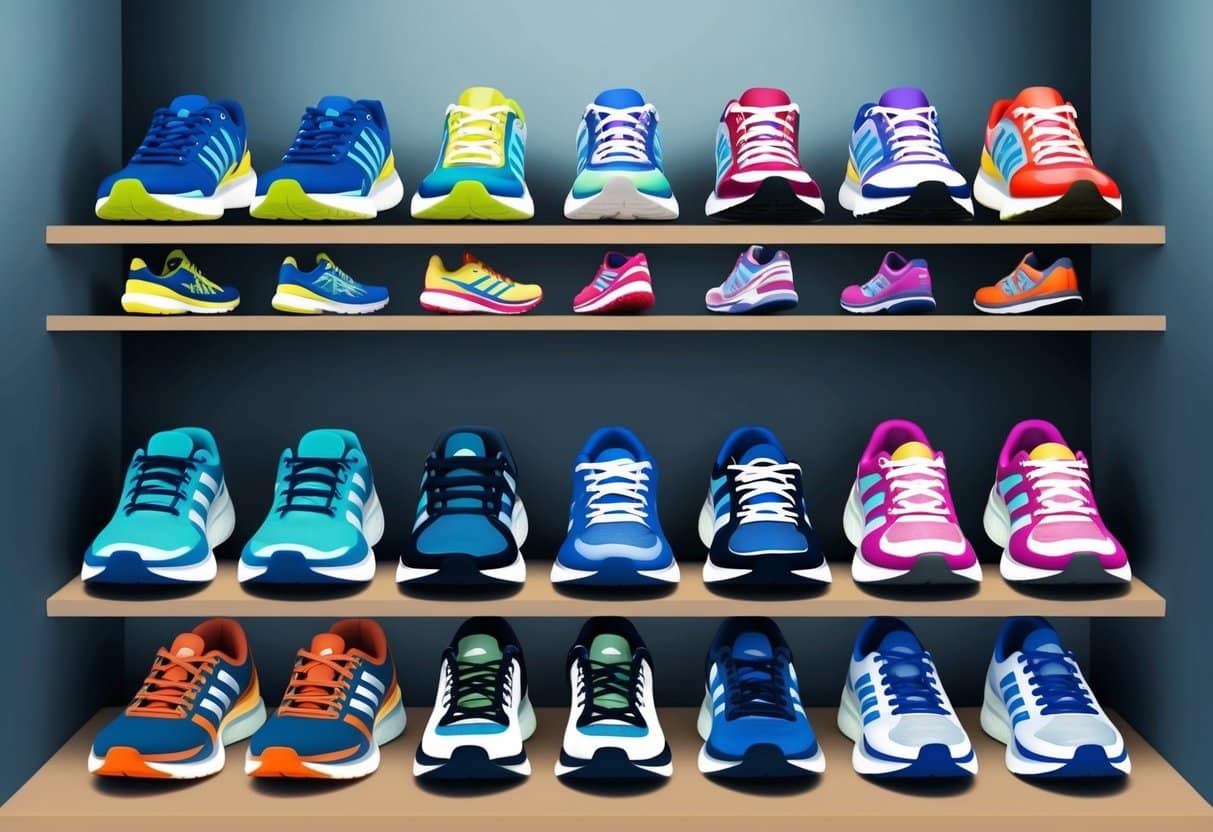
We have not tested these shoes ourselves. Our picks are based on each brand’s specifications and on independent reviews from Doctors of Running, Believe in the Run and RunRepeat. Stack heights, weights and even drop vary by source and shoe size, so the drops below are each brand’s stated figure.
| Shoe | Best for | Drop (brand spec) | List price |
|---|---|---|---|
| Nike Vaporfly 4 | Faster runners, 5K to half marathon | 6 mm | $270 |
| Saucony Endorphin Elite 3 | Maximum cushioning for the marathon | 8 mm | $290 |
| Brooks Hyperion Elite 6 | Stability and a first super shoe | 7 mm | $275 |
| ASICS Metaspeed Sky Tokyo or Edge Tokyo | Matching the shoe to your stride | 5 mm | $270 |
| ASICS Magic Speed 5 | Value and faster training days | 7 mm | $180 |
1. Best all-around racer: Nike Vaporfly 4
The Vaporfly 4 pairs Nike’s ZoomX foam with a full-length carbon fiber plate in one of the lightest racers available, about 190 grams in a men’s US 10 according to Nike. Reviewers describe it as firm, snappy and best for faster runners from 5K to the half marathon, with a snug, narrow, neutral fit. Runners who want more cushioning for the full marathon often prefer the Alphafly.
Nike Vaporfly 4
ZoomX foam, carbon fiber plate, 6 mm drop. List price $270.
2. Softest for the marathon: Saucony Endorphin Elite 3
The Endorphin Elite 3 uses Saucony’s newest superfoam, IncrediRUN, over a full-length slotted carbon plate. RunRepeat calls it one of the softest and bounciest super shoes, a good match for marathoners who want maximum cushioning, but not for runners who need any stability.
Saucony Endorphin Elite 3
IncrediRUN foam, slotted carbon plate, 8 mm drop (brand spec). List price $290.
Alternative: the Nike Alphafly 4 ($280) is Nike’s marathon shoe, with ZoomX foam, forefoot Air Zoom units and a wider carbon plate. It launched in a limited release in September 2026, with a wider release set for October 29, 2026.
3. Best stable pick: Brooks Hyperion Elite 6
The Hyperion Elite 6 combines Brooks’ DNA Gold PEBA foam with a carbon plate and a mild rocker. Believe in the Run found it one of the more stable race-day options and comfortable on warm-ups and cool-downs, so we think it suits a first super shoe and runners who find softer racers wobbly.
Brooks Hyperion Elite 6
DNA Gold foam, carbon plate, 7 mm drop. List price $275.
Alternative: the Saucony Endorphin Pro 5 ($240) is another stable, controlled option that RunRepeat recommends for heel strikers and first-time super shoe buyers.
4. Best for matching your stride: ASICS Metaspeed Sky Tokyo and Edge Tokyo
ASICS makes two versions of its racer. The Metaspeed Sky Tokyo is built for runners who speed up mainly by lengthening their stride, and the Metaspeed Edge Tokyo for runners who speed up by taking quicker steps. Both use FF TURBO PLUS and FF LEAP foams with a full-length carbon plate and a 5 mm drop. Reviewers describe the Sky as softer and springier and the Edge as firmer and more stable at the heel.
ASICS Metaspeed Sky Tokyo
For stride runners. Carbon plate, 5 mm drop. List price $270.
ASICS Metaspeed Edge Tokyo
For cadence runners. Carbon plate, 5 mm drop. List price $270.
5. Best value: ASICS Magic Speed 5
At $180, the Magic Speed 5 has a real carbon plate, forked in the forefoot, under FF LEAP and FF BLAST+ foams. It is heavier and less bouncy than the racers above, but RunRepeat calls it a solid first carbon shoe that also works well for intervals and faster training days.
Also worth a look
- HOKA Cielo X1 3.0 ($275): heavily cushioned PEBA foam, a carbon plate and an aggressive rocker.
- New Balance SC Elite v6 ($275): stiff and propulsive, best for midfoot and forefoot strikers without stability needs.
- Puma Deviate Nitro Elite 4 ($250): a fast, bouncy marathon racer with strong grip and a narrow heel.
- On Cloudboom Strike 2 ($250): soft and stable with a lower 5 mm drop and a roomier toe box.
- adidas Adizero Adios Pro 5 ($275): a popular super shoe that uses a carbon-infused rim around the sole instead of a plate, with a 4 mm drop.
Some popular plated trainers, such as the Saucony Endorphin Speed, use a nylon plate rather than carbon. They usually cost less and are a good choice for training.
How to choose
- Fit first. Try them on late in the day, with the socks you race in, and leave about half an inch (roughly a thumb’s width) in front of your longest toe. Many racers have narrow, snug uppers.
- Stability. Tall, soft shoes can feel wobbly, especially on corners and when you are tired. If your ankles roll easily, start with a more stable model.
- Distance. More cushioning helps over a marathon. Firmer, lighter shoes suit 5K to half marathon racing.
- Drop. If you usually run in a higher-drop trainer, a big change to a low-drop racer can load your calves and Achilles more. Change gradually.
- Your plan. Buy them for a goal race and a few key workouts, not as your only pair.
Prefer a lower, more flexible shoe? See our guides to barefoot shoes for flat feet or high arches and minimalist shoes for flat feet. For brands working to cut their footprint, see our guide to ethical and sustainable running shoes.
Running shoe terms, explained
- Stack height: how much material sits between your foot and the ground, given for the heel and the forefoot. World Athletics caps road racing shoes at 40 mm.
- Heel-to-toe drop (offset): the heel stack minus the forefoot stack. A shoe with 39 mm at the heel and 31 mm at the forefoot has an 8 mm drop.
- Rocker: a curved sole that helps you roll from landing to toe-off.
- Plate: a stiff layer in the midsole. Carbon is the lightest and stiffest. Nylon and TPU plates are cheaper but need to be thicker for the same stiffness.
- Superfoam: light, highly resilient foams such as PEBA and A-TPU, compared with the heavier, less bouncy EVA foam in many everyday trainers.
- Energy return: how much of the energy you put into the foam it gives back as it springs back.
- Pronation: the natural inward roll of your foot after it lands. Some runners roll in more than others.
- Neutral vs stability shoes: neutral shoes do not try to limit that roll. Stability shoes add features such as firmer foam on the inner side (a medial post) or raised sidewalls (guide rails).
- Upper, toe box and heel counter: the upper is the fabric that holds your foot, the toe box is the room around your toes, and the heel counter is the firm cup around your heel.
- Outsole: the rubber on the bottom of the shoe, which sets grip and durability. Racers often use rubber only in high-wear spots to save weight.
Shoe rotation: how to use super shoes in training

You will usually get the best value from a carbon plate shoe by using it for races and a few key sessions and doing the rest of your running in regular trainers. A simple rotation looks like this:
- Daily trainer: a durable, cushioned shoe for easy runs and recovery runs, which make up most of your miles.
- Uptempo or plated trainer: optional, for tempo runs and intervals.
- Race shoe: your carbon plate shoe for races, race-pace workouts and part of a few long runs before race day.
Rotation may also help keep you healthy. In a 2015 study of 264 recreational runners followed for 22 weeks, those who used more than one pair of running shoes had a 39 percent lower injury risk (hazard ratio 0.61). The study shows a link, not proof that rotation itself prevents injuries.
When to replace them: the American Academy of Podiatric Sports Medicine suggests replacing typical running shoes every 350 to 500 miles. Super shoes may lose their edge sooner: in one 2024 study of otherwise identical prototypes, the PEBA version’s running economy advantage over an EVA version was gone after about 280 miles (450 km). Log the miles on each pair in your watch or running app.
Care: let shoes air dry away from heaters, do not put them in the dryer, and untie them instead of pulling them on and off.
Using them safely
- Transition slowly. A 2023 case series described five runners who developed bone stress injuries in the midfoot (the navicular bone) after using carbon plate shoes, and the authors recommend a slow, gradual transition.
- Start with short sections of a tempo run or intervals, then build up to longer runs before you race in them.
- Do not ignore pain. Midfoot, arch or ankle pain that lingers after runs is a reason to stop and see a doctor or physical therapist.
- Strengthen your feet and legs. Calf, foot and hip strength work helps you handle faster running. See our guide to strength training for runners.
- Work on your form rather than relying on the shoe. Our good running form guide covers the basics.
Working with a trainer
A trainer can build the strength work and training plan that make race shoes worth the money, from calf and foot strength to tempo sessions and a taper. A Type A Training trainer comes to your home, your building gym or a park in Manhattan and builds a program around your running goals, from your first run-walk session to your next race. Learn more about in-home personal training. Training for New York? See our guide to qualifying for the New York City Marathon.
Frequently asked questions
Are carbon plate shoes worth it for beginners?
They are not necessary. A comfortable daily trainer and consistent training matter much more for new runners. If you want to try one, a stable model such as the Brooks Hyperion Elite 6 or a cheaper option like the ASICS Magic Speed 5 is a good place to start.
Can I wear carbon plate shoes for every run?
You can, but many coaches advise saving them for races and key workouts. They cost more, may lose their edge sooner and can feel unstable at easy paces, and a daily trainer gives your feet and legs more variety.
How long do carbon plate running shoes last?
Guidance for typical running shoes is about 350 to 500 miles. Super shoes may lose some of their performance benefit sooner, so many runners keep a newer pair for races and move older pairs to training.
Are carbon plate shoes legal in races?
Yes. World Athletics rules allow road racing shoes with a stack height up to 40 mm and one rigid plate, and the shoe must be available for anyone to buy. The rules apply to World Rankings competitions, so they rarely affect recreational runners.
What is the difference between a carbon plate and a nylon plate?
Carbon is lighter, thinner and stiffer. Nylon and TPU plates cost less and are often more forgiving, which is why they show up in many training shoes.
Work with a trainer who comes to you: home, building gym, or park. Matched to your goals, not just whoever’s available.
Get matched with a trainer