Top Fitness Watches of 2027: Best Picks for Every Workout and Budget
Type A Training may earn a commission when you buy through links on this page, at no extra cost to you. Prices are US list prices as of October 2026 and change often.
The best fitness watch is the one that works with your phone, tracks the training you actually do and is comfortable enough to wear every day. For most iPhone owners that is an Apple Watch. For most Android owners it is a Samsung Galaxy Watch or Google Pixel Watch. For runners and outdoor athletes, a Garmin or COROS watch adds better GPS, longer battery life and deeper training tools.
This guide covers our top picks for 2027, how to choose, what fitness watches track and how accurate they are, how to train with heart rate zones, smart rings and screenless bands, subscriptions, and how to use a watch alongside strength training.
The short version
- iPhone: Apple Watch Series 12. On a budget, Apple Watch SE 3.
- Samsung phone: Samsung Galaxy Watch 9. Other Android phones: Google Pixel Watch 5.
- Runners: Garmin Forerunner 170 on a budget, Garmin Forerunner 570 if you want more.
- Outdoor and multisport: Garmin fenix 9.
- Long battery for everyday training: Garmin Venu 4.
- Simple tracker: Fitbit Charge 6.
- No screen: WHOOP or the Oura Ring 5 for sleep and recovery.
- Most accurate heart rate: a chest strap such as the Polar H10.
Our top picks at a glance
| Best for | Pick | Price | Works with |
|---|---|---|---|
| iPhone owners | Apple Watch Series 12 | From $399 | iPhone only |
| Samsung phone owners | Samsung Galaxy Watch 9 | From $379.99 | Android only |
| Other Android phones | Google Pixel Watch 5 | From $399 | Android only |
| Runners on a budget | Garmin Forerunner 170 | $299.99 | iPhone and Android |
| Serious runners and triathletes | Garmin Forerunner 570 | $549.99 | iPhone and Android |
| Outdoor and multisport | Garmin fenix 9 | From $999.99 | iPhone and Android |
| Everyday training, long battery | Garmin Venu 4 | $549.99 | iPhone and Android |
| Simple fitness tracker | Fitbit Charge 6 | $159.95 | iPhone and Android |
| Recovery, no screen | WHOOP | From $199 a year (membership includes the band) | iPhone and Android |
| Smart ring | Oura Ring 5 | From $399, plus $5.99 a month | iPhone and Android |
| Most accurate heart rate | Polar H10 chest strap | $104.95 | Pairs with most watches and apps |
The best fitness watches of 2027
Best for iPhone: Apple Watch Series 12
If you have an iPhone, the Apple Watch is the easiest choice. It tracks runs, walks, rides, swims, strength sessions and dozens of other workouts, with heart rate zones, VO2 max estimates, running form metrics, training load and a daily readiness score. It also has an ECG app, sleep tracking and fall detection, and it doubles as a full smartwatch for messages, calls and payments.
Apple Watch Series 12
Up to 24 hours of battery, or 38 hours in Low Power Mode. Works with iPhone only. List price from $399.
Alternatives: the Apple Watch SE 3 ($249) covers the fitness basics for less, without the ECG app. The Apple Watch Ultra 4 ($799) adds a bigger, tougher case, dual-frequency GPS and much longer battery life for long runs, hikes and races.
Best for Samsung phones: Samsung Galaxy Watch 9
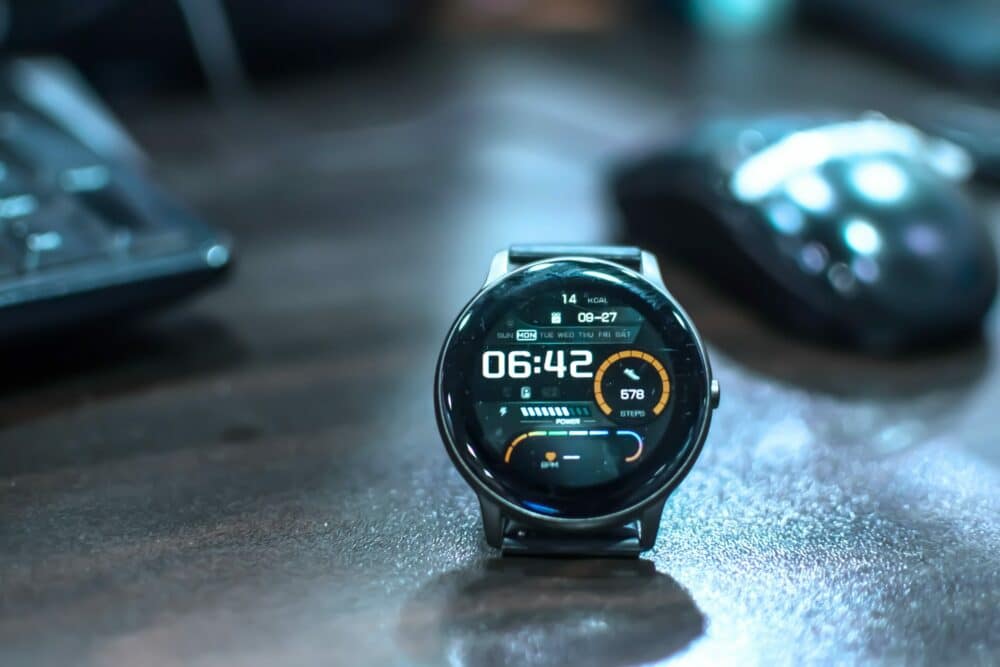
The Galaxy Watch 9 is the best match for Samsung Galaxy phone owners. It tracks workouts and sleep, has a running coach, and adds health features such as ECG and sleep apnea detection. Some features need a Samsung phone.
Samsung Galaxy Watch 9
Works with Android only, best with Samsung Galaxy phones. List price from $379.99.
Best for other Android phones: Google Pixel Watch 5
For Android phones that aren’t Samsung, the Pixel Watch 5 is the most polished choice. It uses Fitbit’s activity and sleep tracking in the Google Health app (formerly the Fitbit app), adds a readiness score, dual-frequency GPS and ECG, and gets up to 30 hours of battery in the 41mm size and 40 hours in the 45mm size.
Google Pixel Watch 5
Works with Android only. Optional Google Health Premium subscription for deeper insights. List price from $399.
Best for runners on a budget: Garmin Forerunner 170
The Forerunner 170 gives newer runners Garmin’s training tools at a lower price: built-in GPS, heart rate, training readiness, training load, running dynamics, race time predictions and free guided training plans. Battery life is up to 10 days as a smartwatch and up to 20 hours of GPS.
Garmin Forerunner 170
Works with iPhone and Android. List price $299.99, or $349.99 with music storage.
Alternative: the COROS PACE 4 ($249) adds dual-frequency GPS and longer battery life for less, with a simpler app.
Best for serious runners and triathletes: Garmin Forerunner 570
The Forerunner 570 adds multi-band GPS, a bright display and Garmin’s full set of training tools, including race pacing plans and triathlon support. Multi-band GPS is worth having if you run in Manhattan, where tall buildings bounce GPS signals and throw off pace and distance.
Garmin Forerunner 570
Up to 11 days as a smartwatch and 18 hours of GPS. Works with iPhone and Android. List price $549.99.
Alternative: the Forerunner 970 ($749.99) adds longer battery life, ECG and extra running metrics when paired with a Garmin chest strap.
Best for outdoor and multisport: Garmin fenix 9
The fenix 9 is built for hikers, trail runners, cyclists and triathletes who want maps, a tough case and battery life measured in weeks. It is expensive, and most people don’t need it, but it is hard to beat for long days outdoors.
Alternative: the COROS APEX 4 (from $429) offers dual-frequency GPS, offline maps and long battery life for much less.
Best for everyday training with long battery life: Garmin Venu 4
The Venu 4 is a good fit if you lift, take classes, walk and run a few times a week and don’t want to charge every night. It has a bright touchscreen, multi-band GPS, sleep and recovery tracking, guided workouts and up to 12 days of battery life.
Alternative: the Garmin vivoactive 6 ($299.99) covers most of the same everyday tracking for less.
Best simple fitness tracker: Fitbit Charge 6
If you want steps, heart rate, sleep and workout tracking without a full smartwatch, the Charge 6 is a slim band with built-in GPS and up to 7 days of battery. It is a few years old, so check that it is still on sale before you buy.
Alternative: the screenless Fitbit Air ($99.99) tracks activity, heart rate and sleep without a display and uses your phone for GPS.
Best for recovery, with no screen: WHOOP
WHOOP is a screenless band focused on sleep, strain and recovery. It gives you a daily recovery score based on heart rate variability, resting heart rate and sleep. You don’t buy the band. It comes with a membership, from $199 a year.
WHOOP
The band comes with a membership, from $199 a year. Works with iPhone and Android.
Alternative with no subscription: the Garmin CIRQA band ($199.99) tracks sleep, heart rate variability and recovery with no membership required.
Best smart ring: Oura Ring 5
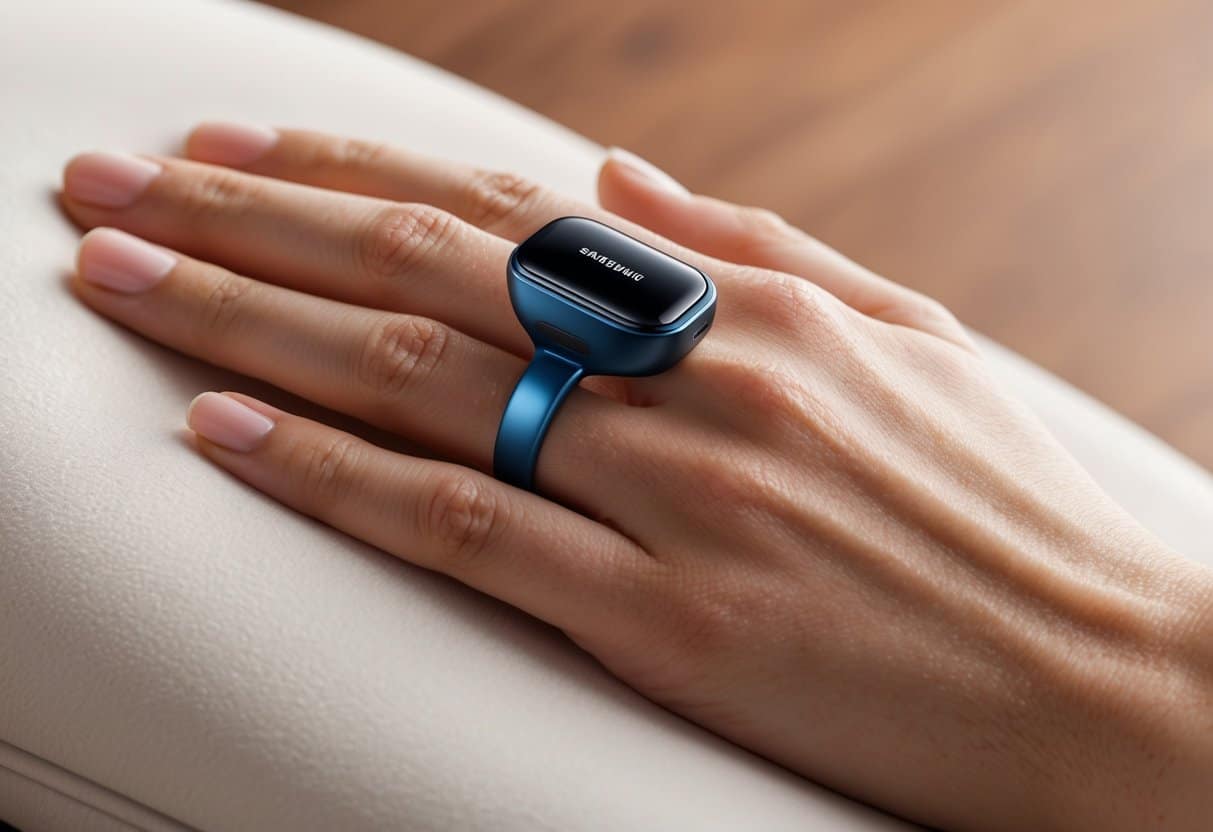
Oura is the best-known smart ring for sleep, recovery and daily activity. It is comfortable to wear at night and lasts about a week between charges. Most of its insights need an Oura membership.
Oura Ring 5
Works with iPhone and Android. List price from $399, plus a membership at $5.99 a month or $69.99 a year.
Alternative with no subscription: the Samsung Galaxy Ring (list price $399.99) works only with Android phones, and some features need a Samsung phone.
Most accurate heart rate: Polar H10 chest strap
A chest strap reads the electrical signal from your heart, so it is more accurate than a wrist sensor during intervals, lifting and other workouts with lots of arm movement. The Polar H10 pairs with most watches, phones and gym equipment.
Polar H10 chest strap
Coin-cell battery lasts up to about 400 hours. Pairs with most watches and apps. List price $104.95.
Alternative: the Garmin HRM 600 ($169.99) is rechargeable, stores heart rate during swims and adds running metrics for Garmin watches.
How to choose a fitness watch
- Start with your phone. Apple Watches work only with iPhones. Samsung Galaxy Watches and Pixel Watches work only with Android. Garmin, COROS, Polar, Fitbit, WHOOP and Oura work with both.
- Match it to your training. Runners, cyclists and hikers benefit from good GPS. If you mostly lift, walk and take classes, almost any watch will do, so focus on comfort, battery life and the app.
- Check the battery life. Smartwatches like the Apple Watch and Pixel Watch usually need charging every day or two. Garmin and COROS watches often last a week or more.
- Look at the screen and size. A bright, easy-to-read screen matters mid-workout. Try a smaller size if you have a small wrist or plan to sleep in it.
- Water resistance. For swimming, look for a rating of 5ATM or 50 meters or more.
- Count the total cost. Add any subscription to the price of the watch (see below).
- Extras you may want: cellular (LTE) so you can leave your phone at home, music storage, contactless payments, ECG and fall detection.
What fitness watches track, and how accurate they are
| Metric | What it tells you | How much to trust it |
|---|---|---|
| Steps and activity | How much you move each day | Good for trends; exact counts vary by device |
| Heart rate | How hard you are working | Usually close at rest and during steady cardio; less reliable during intervals, lifting and boxing |
| GPS pace and distance | Speed and distance outdoors | Good in open areas; tall buildings can throw it off, and multi-band GPS helps but doesn’t fully fix it |
| Resting heart rate and heart rate variability (HRV) | Recovery, stress and fitness trends | Useful when compared with your own baseline over time |
| VO2 max | An estimate of aerobic fitness | A rough estimate; best for tracking your own trend |
| Sleep | Sleep time and estimated sleep stages | Sleep time is a fair estimate; sleep stages are rougher estimates |
| Calories burned | Energy used in a day or workout | The least reliable number on most devices |
Calorie estimates deserve extra caution. In a 2017 study of seven popular wrist devices, none estimated calorie burn within 20 percent, while heart rate was much closer. A later review of Apple, Fitbit and Garmin devices found the same pattern. Use the calorie number as a rough guide, not a target to eat back.
To get the best readings, wear the watch snug, about a finger’s width above your wrist bone, and tighten it a little during workouts. Cold skin, tattoos and a loose band can all affect wrist heart rate.
How to train with heart rate zones
Heart rate zones turn your watch into a coach. Most watches set zones as a percentage of your maximum heart rate. The simplest estimate is 220 minus your age. Another, 208 minus 0.7 times your age, is a little more accurate for many adults. Both are only estimates and can be off by 10 or more beats a minute, so a lab test or a supervised field test gives a better number.
| Zone | % of max heart rate | How it feels | Use it for |
|---|---|---|---|
| Zone 1 | 50 to 60% | Very easy | Warm-ups and recovery |
| Zone 2 | 60 to 70% | Easy; you can hold a conversation | Building endurance on most easy runs, rides and walks |
| Zone 3 | 70 to 80% | Moderate; you can speak in short sentences | Steady, comfortably hard efforts |
| Zone 4 | 80 to 90% | Hard; only a few words at a time | Tempo runs and longer intervals |
| Zone 5 | 90 to 100% | Very hard; you can’t talk | Short, all-out intervals |
- Keep most cardio easy. Many endurance coaches recommend doing most of your training in Zones 1 and 2, with a smaller amount of hard work in Zones 4 and 5.
- Use the talk test too. If your watch says Zone 2 but you can’t hold a conversation, slow down. How you feel matters as much as the number.
- Watch your resting heart rate. A normal resting heart rate for adults is 60 to 100 beats a minute, and it often drops as you get fitter. A resting heart rate that stays higher than usual, or HRV that stays lower than usual, can be a sign you need more rest or are getting sick.
- Medications matter. If you take medication that affects your heart rate, such as a beta blocker, standard zones may not apply. Ask your doctor what heart rate range is right for you.
For more on easy running and form, see our guide to good running form for beginners. For short, hard sessions, see our guide to popular HIIT workouts.
Smart rings and screenless bands vs. fitness watches
Smart rings and screenless bands such as the Oura Ring, Samsung Galaxy Ring, WHOOP and Garmin CIRQA focus on sleep, recovery and daily activity. They are comfortable to sleep in, last several days to a couple of weeks between charges and don’t buzz you with notifications.
- Choose a ring or band if your main goals are better sleep, recovery and daily activity, or if you don’t like wearing a watch.
- Choose a watch if you want GPS for runs and rides, live heart rate and pace during workouts, guided workouts and a screen to glance at.
- Use both if you like: some people wear a ring at night and a watch for training.
Subscriptions: what you will pay after you buy
| Brand | Subscription | Cost |
|---|---|---|
| WHOOP | Required; the band comes with a membership | From $199 a year |
| Oura | Optional, but most insights need it | $5.99 a month or $69.99 a year |
| Fitbit and Google Pixel Watch | Optional Google Health Premium | $9.99 a month or $99.99 a year |
| Garmin | Optional Garmin Connect+ | $6.99 a month or $69.99 a year |
| Apple | Optional Apple Fitness+ workout classes | $9.99 a month or $79.99 a year |
| Samsung, COROS and Polar | No subscription needed for core features | None required |
Using a fitness watch with strength training
Fitness watches are great for the habits around your training: steps, sleep, recovery, resting heart rate and showing up consistently. They are less helpful inside a strength workout. Automatic rep counting often misses reps, and heart rate during lifting doesn’t tell you how hard your muscles worked.
- Log your lifts. Write down the exercise, weight, sets and reps. That tells you more about strength progress than any watch metric.
- Use heart rate for rest and cardio. Heart rate is useful for timing rest between hard sets and for circuits and conditioning.
- Use recovery data as a guide, not a rule. A low readiness score is a reason to check in with how you feel, not an automatic day off.
- Protect your sleep. Sleep tracking is one of the most useful features for anyone training hard. See our guide to how sleep works.
Treadmill runner? Wrist-based treadmill pace and distance are estimates, so compare them with the treadmill now and then. See our guide to treadmill running. For music on the run, see our picks for the best running headphones.
Working with a trainer
A watch gives you data. A trainer helps you turn it into a plan: setting the right heart rate zones, balancing hard and easy days, and building the strength work that keeps you training without injury. A Type A Training trainer comes to your home, your building gym or a park in Manhattan and builds a program around your goals and the data you already track. Learn more about in-home personal training.
Frequently asked questions
What is the best fitness watch in 2027?
For iPhone owners, the Apple Watch Series 12. For Android, the Samsung Galaxy Watch 9 with a Samsung phone or the Google Pixel Watch 5 with other Android phones. For runners, a Garmin Forerunner such as the 170 or 570.
Do fitness watches work with both iPhone and Android?
Some do. Apple Watches work only with iPhones, and Samsung Galaxy Watches and Pixel Watches work only with Android phones. Garmin, COROS, Polar, Fitbit, WHOOP and Oura work with both.
Are fitness watch calorie counts accurate?
Not very. Studies have found that wrist devices estimate heart rate much better than calories burned. Use calorie numbers as a rough guide and focus on trends.
Is a chest strap more accurate than a watch?
Yes, especially during intervals, lifting and sports with lots of arm movement. A chest strap reads your heart’s electrical signal, while a watch uses light through the skin of your wrist.
Do I need a subscription?
Not for most watches. Apple, Samsung, Garmin, COROS and Polar work without one. WHOOP requires a membership, and Oura’s most useful features need one.
Is a smart ring better than a fitness watch?
A ring is better for comfortable sleep and recovery tracking. A watch is better for workouts, with GPS, live heart rate and a screen. Many people only need one; some use both.
What heart rate zone should I train in?
Many coaches recommend keeping most of your cardio easy, in Zones 1 and 2, where you can still hold a conversation, with a smaller amount of harder work in Zones 4 and 5. If you take heart rate medication, ask your doctor first.
Work with a trainer who comes to you: home, building gym, or park. Matched to your goals, not just whoever’s available.
Get matched with a trainer