So you’re a fitness pro and want to help people move better, dodge injuries, and just plain feel good? Becoming a corrective exercise specialist might be your next big move.
Whether you’re coaching Manhattan desk jockeys with tech-neck or NYC athletes trying to stay in the game, this specialty blends exercise science with hands-on movement assessment skills.
The certification process usually means signing up for an accredited program—think NASM, ISSA, or

Demand for corrective exercise specialists keeps climbing in New York City, from the Upper East Side to the Financial District. You’ll learn how to spot movement quirks that cause pain and dysfunction, then build exercise routines to fix them.
As you pursue your certification for corrective exercise specialists, you’ll gain insights into the growing demand for professionals in this field.
Your training dives into everything from postural tweaks for Midtown office workers to movement screens for active folks in Chelsea and SoHo.
Key Takeaways
- Several accredited organizations offer corrective exercise specialist certifications, each with their own costs, requirements, and teaching styles.
- The process covers movement assessment, injury prevention, and designing programs that correct dysfunction.
- Keeping your credentials current means ongoing education and opportunities to specialize further.
Understanding the Certification for Corrective Exercise Specialists
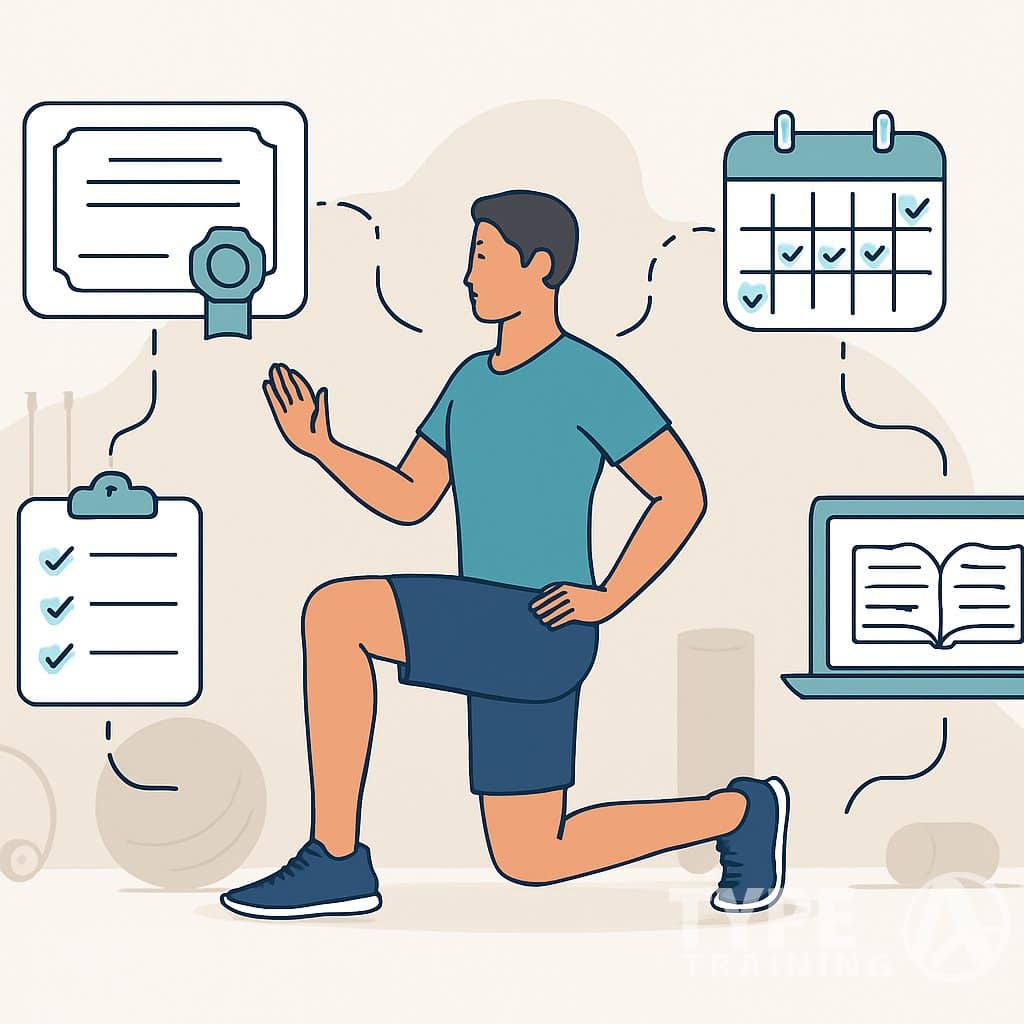
Corrective exercise specialists dig into the root causes of movement problems that lead to pain, limit performance, or up your injury risk. They work with everyone from Manhattan office workers to pro athletes, using targeted assessments and exercises to get people moving better.
The certification for corrective exercise specialists prepares you to address the unique needs of clients, guiding them to improved mobility and pain relief.
Core Responsibilities and Impact
A corrective exercise specialist is kind of like your movement detective. They figure out why your body moves the way it does and come up with smart fixes.
Their main job? Running thorough movement assessments to spot muscle imbalances, joint restrictions, and wonky movement habits.
You’ll notice they shine at creating personalized exercise programs that tackle your unique movement issues. The process usually involves inhibiting overactive muscles, stretching tight spots, waking up weak muscles, and then practicing better movement patterns.
Key responsibilities include:
- Doing posture checks
- Screening dynamic movements
- Designing corrective routines
- Tracking progress and tweaking plans
- Teaching clients about movement mechanics
For Manhattan desk workers, this could mean fixing forward head posture or tight hip flexors.
By improving the way you move, these pros help you dodge injuries and just feel better in daily life.
Popular posts:
Client Populations and Outcomes
Corrective exercise specialists serve a pretty wide range of clients across Manhattan. Maybe you’re a Wall Street exec with chronic back pain, or a Chelsea runner bouncing back after an injury.
Primary client groups include:
-
- Office workers with postural issues
Having your certification for corrective exercise specialists can make a significant difference in your career prospects and client relationships.
- Athletes looking to prevent injuries
- Folks recovering from rehab
- Seniors wanting to stay mobile
- People managing chronic pain
In the Upper East Side, long commutes and desk jobs are a common culprit. Tribeca runners often need help with movement tweaks from all those Central Park miles.
Clients usually notice less pain, better posture, and stronger performance. Specialists help people move better and break habits that cause discomfort.
Life in Manhattan is fast and sometimes a little rough on the body. Specialists get that, and tailor their approach to fit city living.
Comparing Corrective Exercise Specialists to Other Fitness Professionals
Corrective exercise specialists sit in this cool spot between personal trainers and physical therapists. Personal trainers focus on general fitness, while corrective specialists zoom in on movement issues and injury prevention.
Key differences from other fitness professionals:
| Professional Type | Primary Focus | Client Population | Training Approach |
|---|---|---|---|
| Personal Trainers | General fitness, weight loss | Healthy individuals | Strength and conditioning |
| Corrective Exercise Specialists | Movement dysfunction, injury prevention | Post-rehab, chronic pain | Targeted corrective interventions |
| Physical Therapists | Injury treatment, rehabilitation | Injured/recovering patients | Medical rehabilitation |
Unlike coaches who work with groups, corrective exercise specialists offer super personalized attention. They know a lot about movement assessment and corrective techniques.
These specialists tend to earn about 20% more than other trainers, thanks to their expertise. In Manhattan’s crowded fitness scene, this specialty really stands out.
With a certification for corrective exercise specialists, your expertise will be recognized in Manhattan’s competitive landscape.
Their work bridges fitness and healthcare, which is a big deal for SoHo locals dealing with chronic issues or Financial District folks hoping to avoid work injuries.
Becoming a Certified Corrective Exercise Specialist

Getting certified as a corrective exercise specialist means meeting some education requirements and finishing an accredited training program. Most certifying bodies want you to have a basic fitness certification first, then move on to specialized coursework.
Prerequisites and Eligibility
Most corrective exercise specialist certifications ask for a current personal training certification from a recognized organization. That way, you already know the basics before diving deeper.
A background in exercise science or kinesiology helps, but plenty of programs welcome folks with just a high school diploma and a valid fitness cert.
Common backgrounds for applicants:
- Personal trainers
- Physical therapists (and assistants)
- Athletic trainers
- Fitness coaches
- Massage therapists
Some programs want you to keep up with continuing education units (CEUs) to stay certified. CPR and AED certs are usually a must, too.
A lot of Manhattan fitness pros pick up this specialty since so many clients in Midtown and the Financial District struggle with posture from long hours at the computer.
Accredited Certification Organizations
The certification for corrective exercise specialists is an essential credential for anyone serious about helping clients reclaim their movement quality.
The National Academy of Sports Medicine (NASM) offers one of the most respected programs out there. NASM leans into evidence-based assessment and solid corrective strategies.
The American Council on Exercise (ACE) has The BioMechanics Method, which is all about practical movement screening.
Other respected certs:
- International Sports Sciences Association (ISSA)
- National Council on Strength and Fitness (NCSF)
- Functional Movement Systems (FMS)
Course length and requirements vary. NASM takes about 8-12 weeks, while
NYC trainers often go for NASM because gyms and studios in places like SoHo and Chelsea trust it. Many job postings actually ask for it by name.
Investing time and effort into obtaining a certification for corrective exercise specialists will pay off in your personal training career.
Certification Course Structure
Corrective exercise certification courses usually break down into five main modules: anatomy, movement assessment, exercise selection, program design, and client communication.
Course pieces often include:
- Online lectures and readings
- Video demos of assessment techniques
- Case studies
- Practice exercises
- Interactive workshops
Most programs expect 40-60 hours of study. You’ll get good at spotting movement quirks you see all over NYC, like forward head posture from constant phone use.
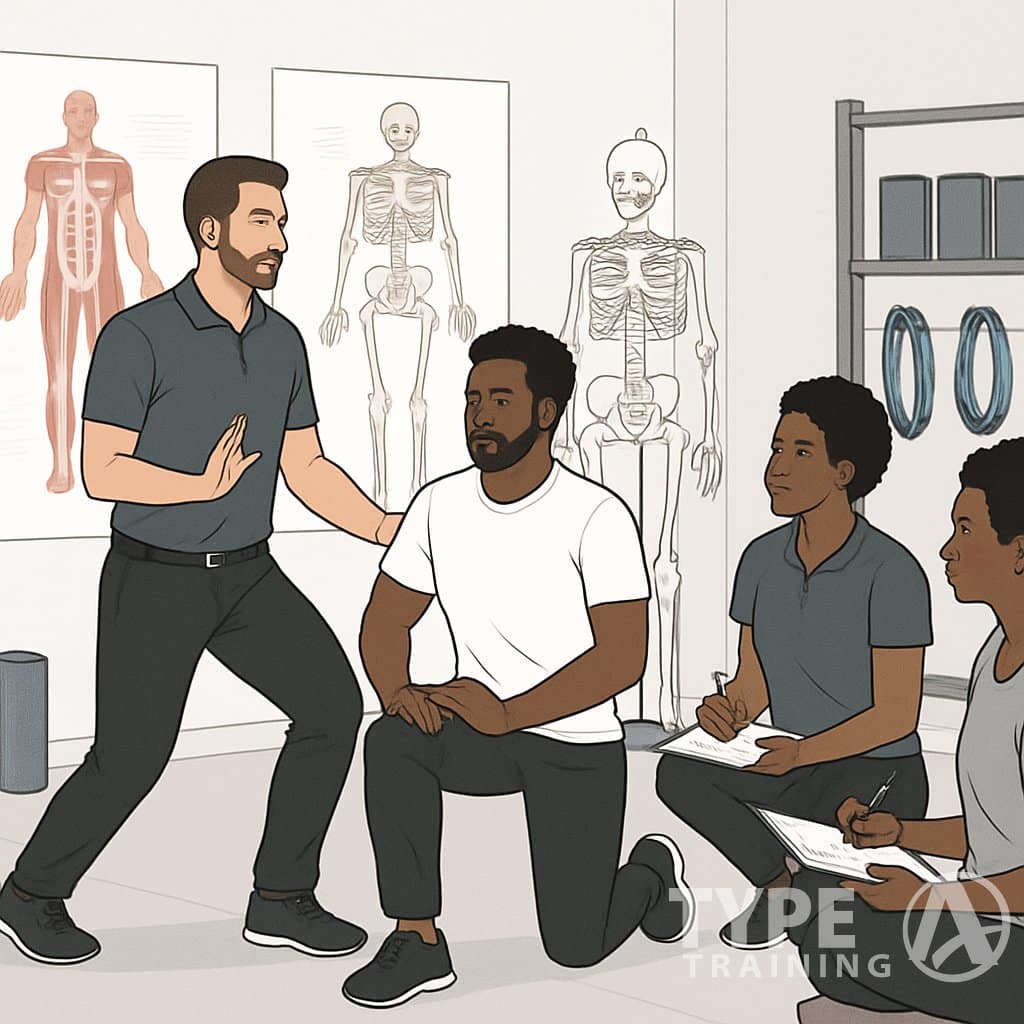
Hands-on skills are a big focus. You’ll practice assessments like overhead squats and single-leg stands to spot issues.
Some programs throw in workshops where you work with real clients. That’s where the classroom stuff starts to click.
Upper East Side trainers get a lot from modules on age-related movement, since that fits the local crowd.
Exam Preparation and Completion
The cert exam usually has 100-150 multiple-choice questions about anatomy, assessment, and corrective strategies. You need at least 70% to pass.
Study materials include textbooks, online modules, and practice tests. Most people spend 2-3 hours a day for 6-8 weeks getting ready.
Some solid prep strategies:
- Make flashcards for muscle groups
- Practice assessments with friends
- Take lots of practice tests
- Join study groups
You can take the test at Manhattan testing centers or online with a proctor.
After you pass, expect your certificate in 2-4 weeks. Most certs need renewing every two years with continuing ed credits.
Studios in Tribeca and the West Village often help their trainers prep for these certs. It’s a smart investment—they want to keep their clients happy and healthy.
Curriculum and Training Pathways
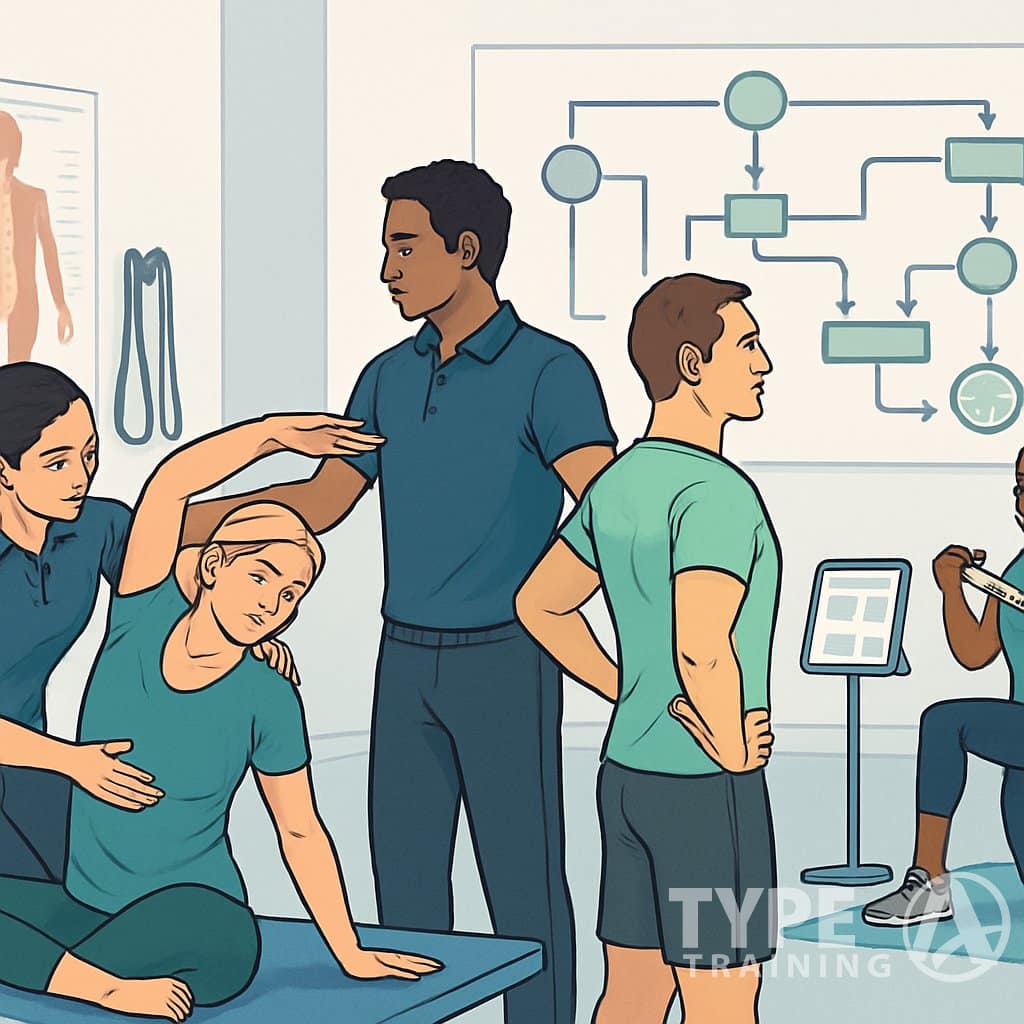
Corrective exercise specialist programs build your skills through a mix of movement science, real-world assessment protocols, and solid program design. The training leans heavily on hands-on practice, which fits perfectly with the active, on-the-go crowd in Manhattan.
Fundamental Knowledge: Anatomy, Biomechanics, and Kinesiology
Everything starts with a deep dive into anatomy and how muscles, joints, and connective tissue all work together. You’ll see how the body’s movement systems play out in daily life—think climbing subway stairs or hauling groceries through Midtown.
Biomechanics training teaches you to analyze movement and spot bad habits that come from sitting too much in downtown offices. You’ll cover how the body produces force, how joints work, and how imbalances can mess with performance.
Kinesiology gets into how the nervous system controls movement and muscle activation. You’ll figure out how repetitive moves create compensation patterns—something every NYC pro sees.
Key curriculum pieces:
- Musculoskeletal anatomy and joint function
- Movement analysis and kinetic chain assessment
- Neuromuscular control and motor learning
- Applied exercise science
Movement Assessments and Screening
Assessment training shows you how to systematically spot postural and movement problems. You’ll get good at static posture analysis, noticing how hours at a computer can twist up someone’s spine.
Functional Movement Screening (FMS) helps you check movement quality in basics like squats, lunges, and reaching overhead. These assessments highlight mobility and stability issues that could lead to injury.
Dynamic assessments let you see how clients move during real-life tasks. You’ll catch compensation patterns in walking, lifting, or twisting—basically, all the stuff people do every day in the city.
Assessment techniques you’ll practice:
- Static posture checks
- Overhead squat assessment
- Gait analysis
- Joint mobility tests
- Core stability screening
Corrective Exercise Program Design
Program design training is all about creating safe, effective routines that tackle movement issues head-on. You’ll get hands-on with the corrective exercise continuum: inhibition, lengthening, activation, and integration.
You’ll dive into sequencing, learning how to line up corrective techniques for the biggest impact. The curriculum digs into inhibitory moves like foam rolling, stretching out tight hip flexors (especially for commuters), and firing up weak glutes.
Integration training takes things up a notch, moving clients from isolated corrective drills to more functional movement patterns. You’ll craft regimens that actually fit Upper East Side residents’ lifestyles, prepping them for both play and daily demands.
Program design elements include:
- Corrective exercise strategies for major body regions
- Exercise progression and regression protocols
- Program periodization for long-term results
- Modification techniques for different populations
Practical Experience and Application
Hands-on training gives you a chance to practice assessments and corrective exercise techniques with real people. Expect to work with everyone from Tribeca pros with stiff necks to SoHo athletes bouncing back from injuries.
Case studies help you interpret what you see and build targeted strategies. You’ll get familiar with issues like forward head posture, rounded shoulders, and hip mobility restrictions—pretty common in Manhattan’s workforce.
Practical application covers client communication and program tweaks. You’ll pick up tips for explaining movement concepts to busy NYC pros and adapting routines for cramped home or office spaces.
The ability to offer a certification for corrective exercise specialists sets you apart in a crowded marketplace.
Practical components feature:
- Live assessment practice sessions
- Corrective exercise technique demonstration
- Client consultation and program delivery
- Real-world problem-solving scenarios
Continuing Education and Career Advancement
An accredited certification for corrective exercise specialists can enhance your reputation and open doors to new opportunities.
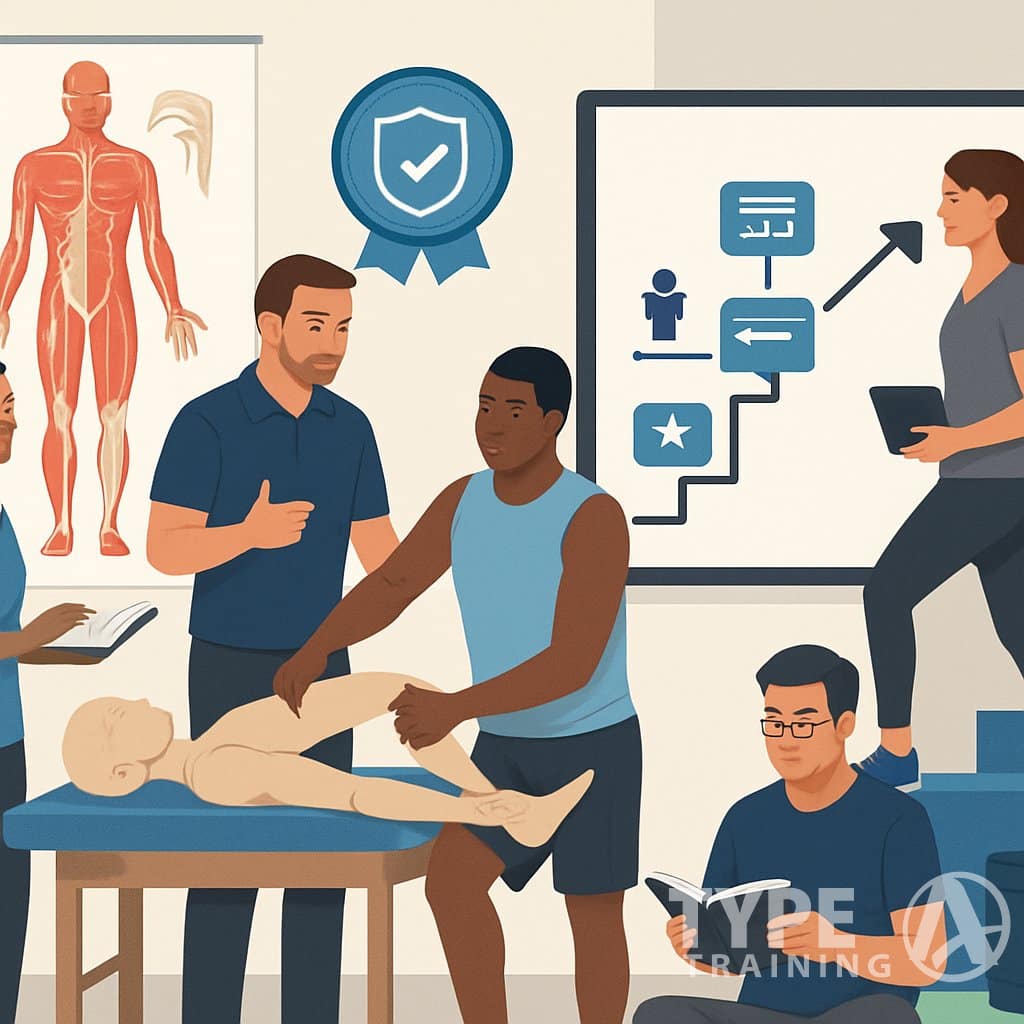
If you want to thrive as a corrective exercise specialist, you’ve got to keep learning. Workshops and specialized training programs are your ticket to staying sharp.
Building advanced credentials (and a solid network) can unlock higher-paying gigs and more specialized clients in Manhattan’s jam-packed fitness scene.
Ongoing Professional Development
Keeping your corrective exercise credentials means racking up continuing education units (CEUs) through approved classes or workshops. Most certifying bodies ask for 10-20 CEUs every two years to keep your certification active.
ACE continuing education programs offer courses in movement assessment and programming. These help you stay up to date with the latest research and techniques.
With the right certification for corrective exercise specialists, you will be equipped to make a lasting impact on your clients’ health.
You can earn CEUs through online classes, weekend workshops, or conferences. Some Manhattan gyms even cover continuing education costs for their trainers.
Popular continuing education topics include:
- Advanced movement screening techniques
- Corrective exercise programs for specific populations
- Technology integration in assessment
- Pain science and neuromuscular re-education
Local NYC workshops give you hands-on practice with immediate feedback. You’ll meet other pros and learn from industry leaders.
Specializations and Advanced Credentials
As you develop your career, the certification for corrective exercise specialists will be a cornerstone of your professional identity.
Advanced certifications let you work with specific groups—and charge more for your expertise. Manhattan’s got a diverse crowd, so there’s real demand for specialists.
NASM’s Corrective Exercise Specialization centers on movement science and program design. It’s a big name in NYC’s fitness world.
You can specialize in things like:
- Post-rehabilitation exercise programs
- Athletic performance enhancement
- Senior fitness and fall prevention
- Workplace ergonomics and posture correction
These focus areas line up with what Manhattan’s professionals need, especially those logging long hours at Midtown desks. Upper East Side clients often look for help with age-related movement issues.
Obtaining a certification for corrective exercise specialists is a stepping stone to advanced training and specialization.
The BioMechanics Method certification dives deep into assessment skills and corrective exercise selection. It’s especially popular with pros serving high-end clients in SoHo and Tribeca.
Top Certification Organizations for Corrective Exercise Specialists
When pursuing certification for corrective exercise specialists, choosing a reputable organization is essential. Here are some of the most recognized options:
-
NASM (National Academy of Sports Medicine) – Offers the Corrective Exercise Specialist (CES) certification, one of the most respected in the industry. It focuses on identifying movement dysfunctions and applying evidence-based solutions.
-
ACE (American Council on Exercise) – Provides certifications that integrate corrective exercise principles into personal training and health coaching, with a strong emphasis on functional movement.
-
ISSA (International Sports Sciences Association) – Known for flexible learning options and global recognition, ISSA includes corrective exercise components in its advanced training programs.
-
NSCA (National Strength and Conditioning Association) – Offers certifications with a performance and rehabilitation focus, ideal for professionals working with athletes and clients recovering from injuries.
Each pathway has unique strengths, so the best option depends on your career goals, whether that’s working in fitness, rehabilitation, or athletic performance.
Networking and Industry Recognition
Building genuine relationships can fast-track your career and boost referrals. In Manhattan’s fitness community, expertise and results matter.
Join groups like ACSM or NASM to tap into member perks and networking events. They hold regular meet-ups in Chelsea and the Financial District.
Go to fitness conferences and trade shows if you want to meet industry leaders. The IHRSA conference and NYC events are great for connections.
Professional networking strategies include:
- Partnering with physical therapists and chiropractors
- Collaborating with personal training studios
- Speaking at fitness facilities and corporate wellness programs
- Contributing to fitness publications and blogs
A solid social media presence helps you stand out to both clients and employers. Sharing stories and educational tips can really build your reputation as a movement specialist.
West Village and Chelsea studios often hire based on referrals from trusted staff. Your network can make a huge difference in landing jobs and new clients.
Frequently Asked Questions
These are the questions folks ask most about certification, salary expectations, and career paths for corrective exercise specialists. If you’re in Manhattan or anywhere in NYC, you probably want the scoop on prerequisites, program differences, and where to find work.
Q: What are the top corrective exercise certifications recommended for professionals?
A: The NASM Corrective Exercise Specialist (CES) is the industry-leading certification, recognized by top Manhattan gyms and fitness facilities for its evidence-based curriculum and comprehensive assessment protocols. The ISSA Corrective Exercise Specialist is another excellent option, offering extensive exercise science training at approximately $650 with flexible 12-month payment plans and a 90% pass rate. Both certifications equip NYC trainers with practical skills to address movement dysfunctions common in desk-bound professionals and stressed Manhattan clients.
Q: How does becoming a corrective exercise specialist impact salary and career prospects in NYC?
A: Certified corrective exercise specialists in Manhattan can command premium rates for specialized services, particularly when working with high-earning professionals in the Financial District, Midtown, and Upper East Side who need posture correction and injury prevention. This credential opens career opportunities in physical therapy clinics, sports medicine facilities, high-end fitness centers in Chelsea and SoHo, corporate wellness programs, and private training for affluent clients in Tribeca and the West Village. NYC specialists typically earn 20-40% more than general personal trainers due to their advanced expertise in addressing movement dysfunctions.
Q: What qualifications are needed to enroll in a corrective exercise specialist course?
A: Prerequisites vary by certification body. ISSA requires a high school diploma and current CPR/AED certification, making it accessible for newer fitness professionals in NYC. NASM has stricter requirements, requiring either a NASM-CPT certification, another NCCA-accredited personal training certification, a massage therapy license, or a four-year college degree in a related field. Prior experience working with clients who have postural issues or movement limitations is beneficial but not required.
Q: What are the differences between ISSA and NASM certifications for corrective exercise specialists?
A: NASM CES is considered the gold standard with more rigorous curriculum depth, structured corrective exercise continuum framework, and approximately 70% exam pass rate, making it preferred by premium Manhattan gyms and requiring prior certification. ISSA offers comprehensive exercise science training across 13 units for approximately $650, features a higher 90% pass rate, includes a free exercise library, and uses a more accessible online format ideal for busy NYC professionals. NASM emphasizes systematic assessment and program design, while ISSA balances theoretical science with practical application, both preparing trainers to address movement dysfunctions in Manhattan’s urban professional population.