7 Best Foam Rollers for Muscle Recovery in 2026
TL;DR
Foam rollers help runners and athletes recover faster by working out muscle tightness without needing a massage therapist. The market offers everything from basic foam cylinders to high-tech vibrating models, but even simple rollers deliver solid results without breaking the bank. Whether you want a classic self-massage tool or something with advanced features, the right foam roller can genuinely improve how your body feels and moves daily.
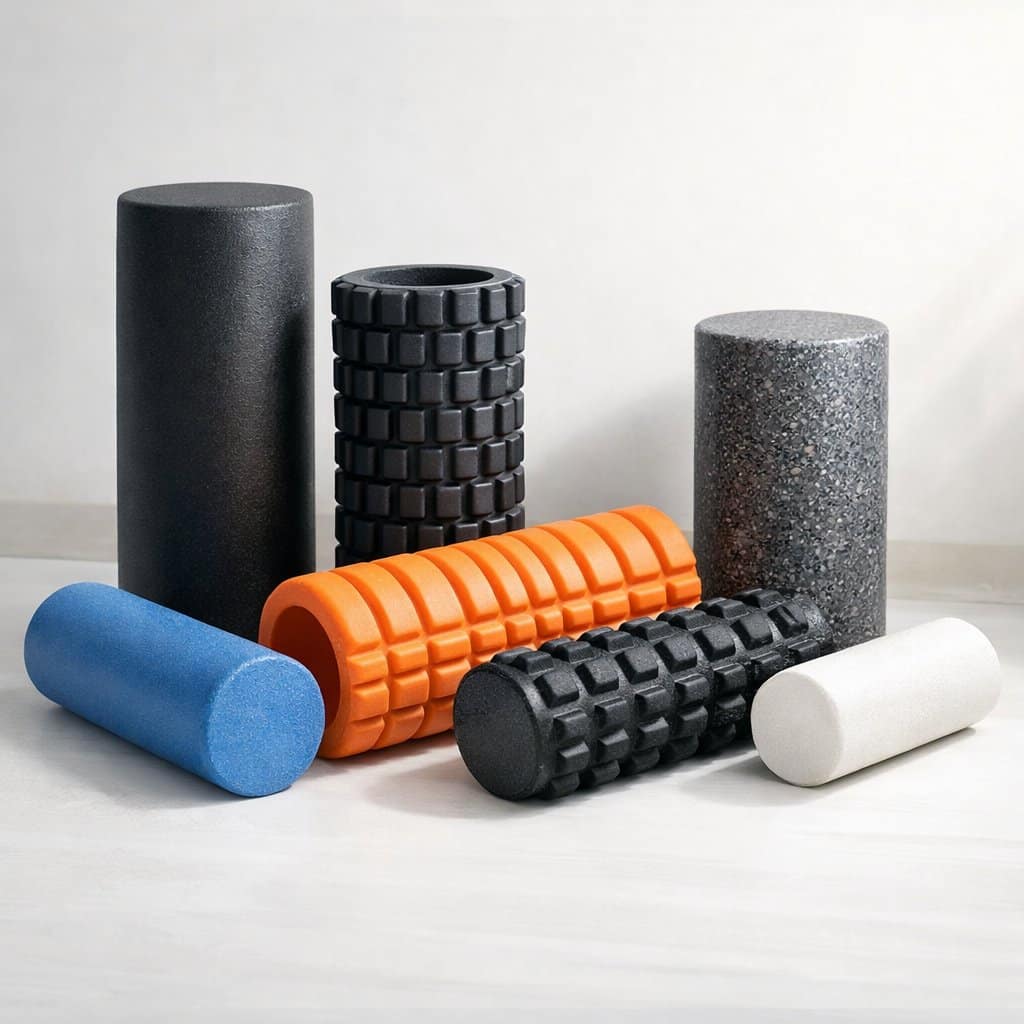
Foam rolling is everywhere these days, especially among runners and athletes who want to bounce back faster after workouts. This simple tool helps you work out tight spots in your muscles—no massage therapist required.
People use foam rollers for trigger point massage and to cut down on post-workout soreness. It’s kind of amazing how much relief you can get from a piece of foam.
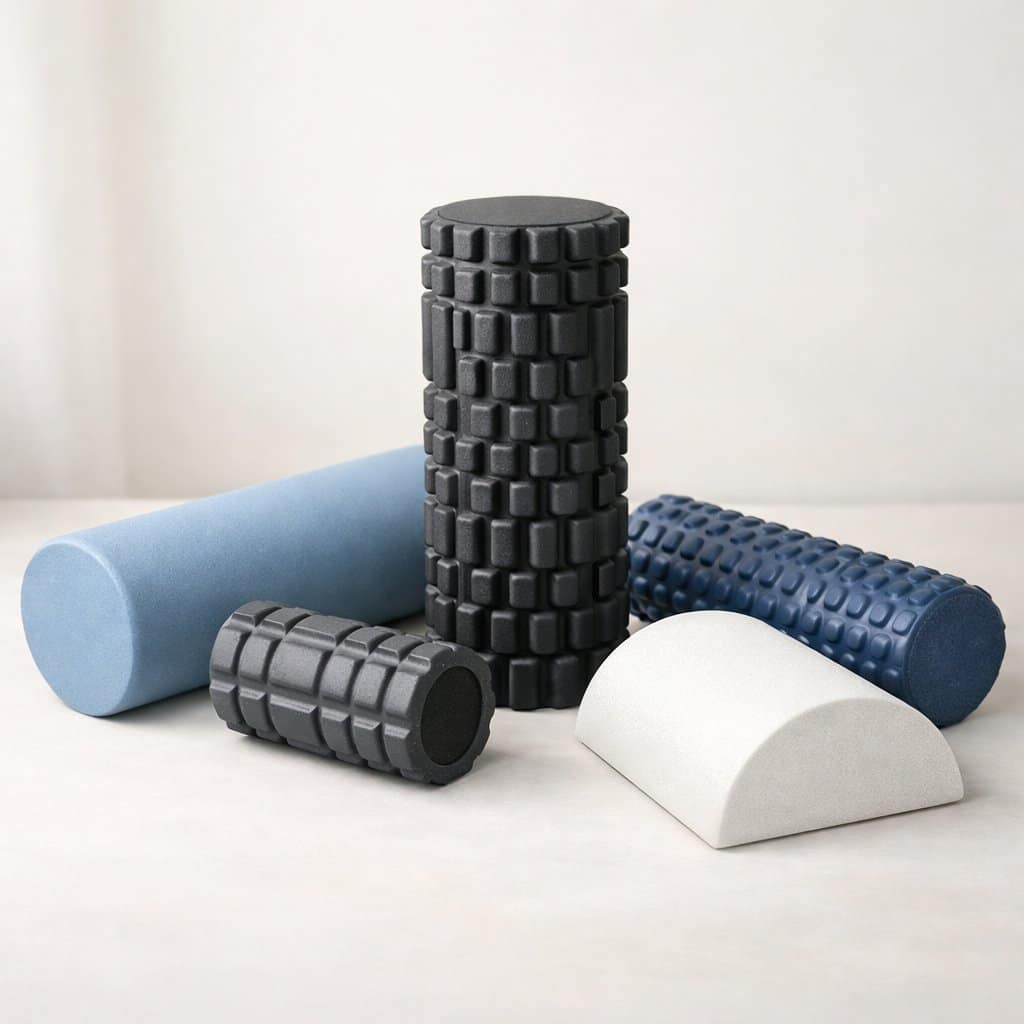
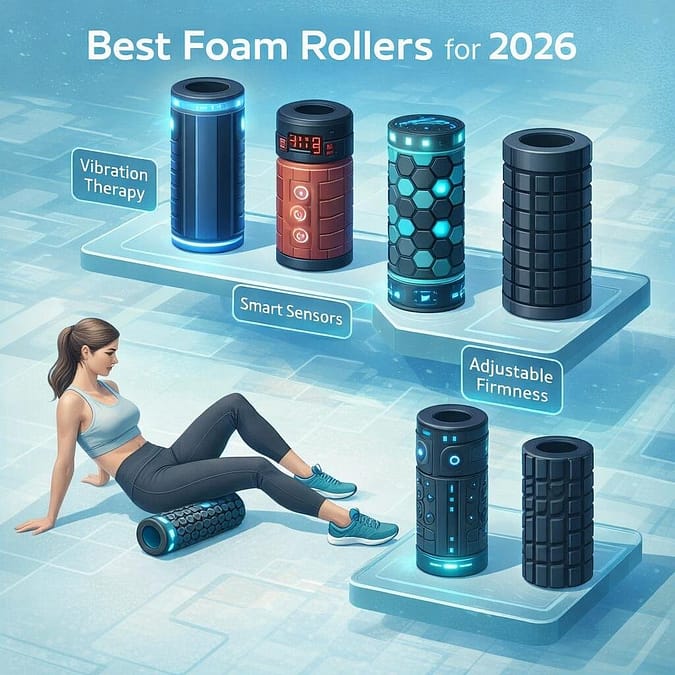
The market’s packed with options, from basic foam cylinders to rollers with vibration therapy and even smart features. Massage guns and other gadgets might hog the spotlight, but foam rollers still do the job and won’t break the bank.
You might love the classic self-massage approach, or maybe you’re eyeing something with bells and whistles. Either way, picking the right foam roller can honestly change how your body feels and moves day to day.
Key Takeaways
- Density matters: High-density rollers work for deep tissue massage and experienced users, while soft rollers suit beginners and sensitive muscles
- Best overall pick: The Go Fit Revolve Roller offers customizable pressure with nine interchangeable rings in three different heights
- Budget option: Pro-Tec Athletics delivers solid value with firm EVA foam and contoured texture at an affordable price point
- Vibration technology: Models like the Therabody Wave Roller and Premvida Arrow add powered vibration for enhanced muscle recovery and blood flow
- Travel-friendly designs: The Brazyn Morph collapses flat to under 2 inches for easy packing in luggage or gym bags
- Surface texture impacts results: Smooth rollers provide even pressure while textured or grid patterns target trigger points and knots more precisely
- Size considerations: Standard 36-inch rollers cover large muscle groups, while 12-18 inch versions offer better portability and targeted work on smaller areas
Best Foam Rollers
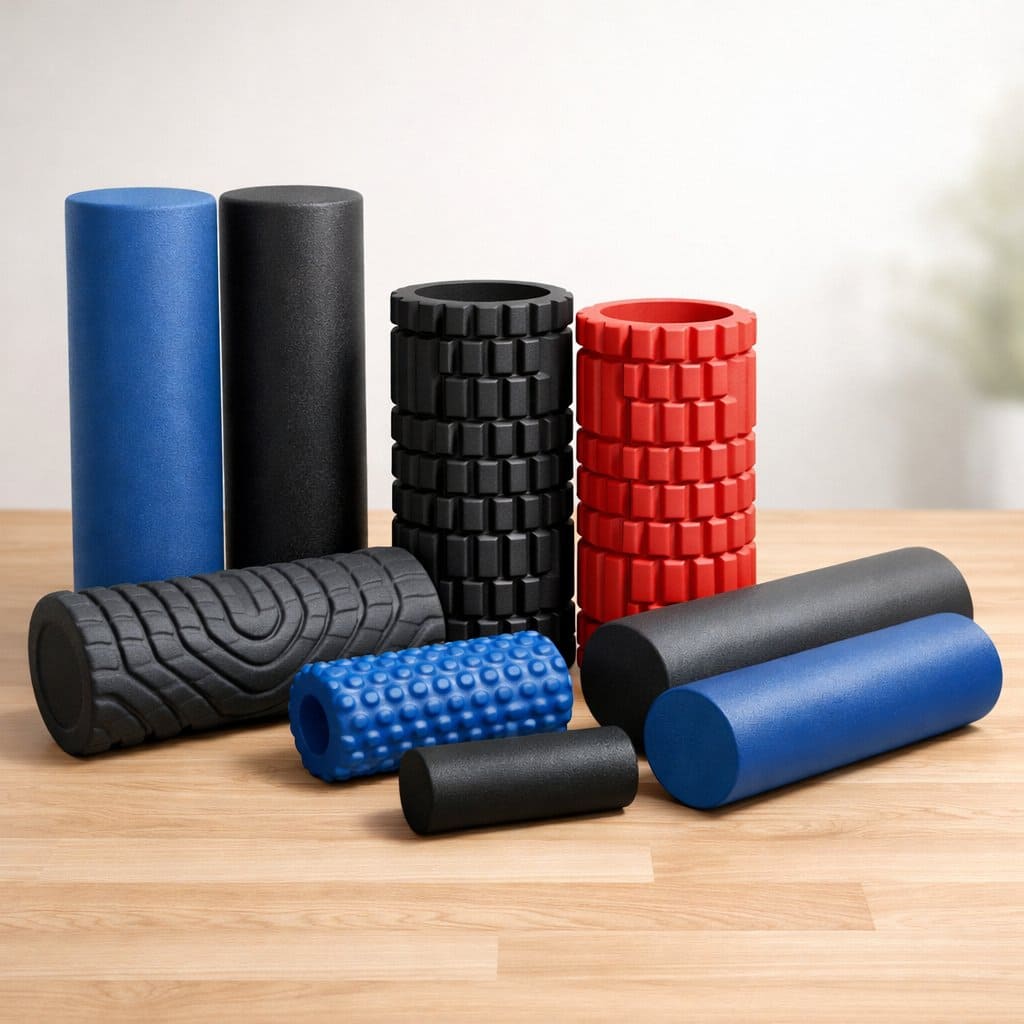
Some foam rollers just work better for muscle recovery and self-massage. The Go Fit Revolve Roller is a solid pick for most people.
If you’re on a budget, Pro-Tec Athletics gives you a lot of value. More advanced users might prefer the R4 Roll Recovery for its professional-grade results.
The Therabody Wave Roller stands out for deep tissue work with its textured surface. Chirp Rolling Percussive Roller is a good fit if you want a stationary massage roller with percussion therapy mixed in.
The lululemon Double Roller is pretty clever, offering two roller options in one. Each roller has its own strengths, whether you want basic relief or targeted pressure on sore spots.
The Experts
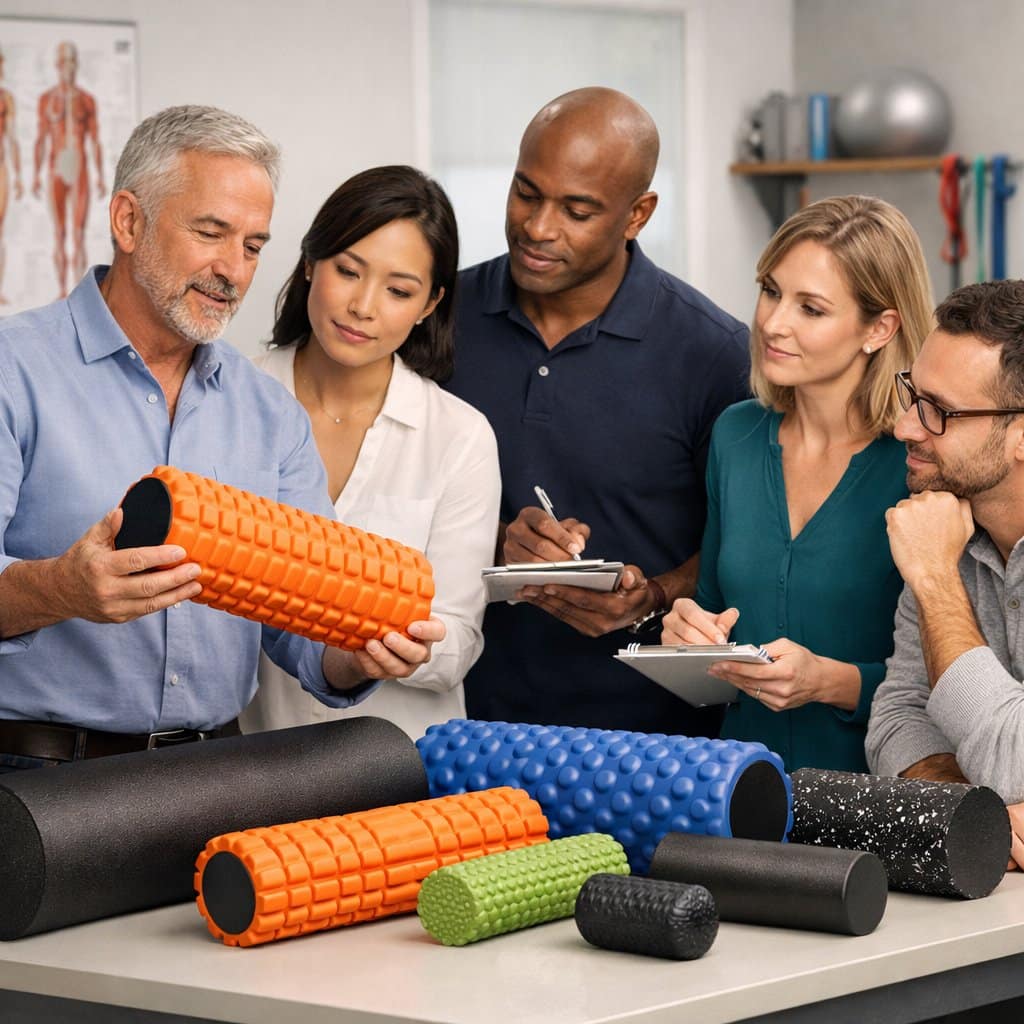
We reached out to Katie Sirnonian, an Assistant Physical Therapist in West Michigan, for her take on foam roller selection and use. Brian Bradford, a Physical Therapist at Onward Physical Therapy in Grand Rapids, also shared his advice on buying and using these recovery tools.
Top Recovery Tool Guides
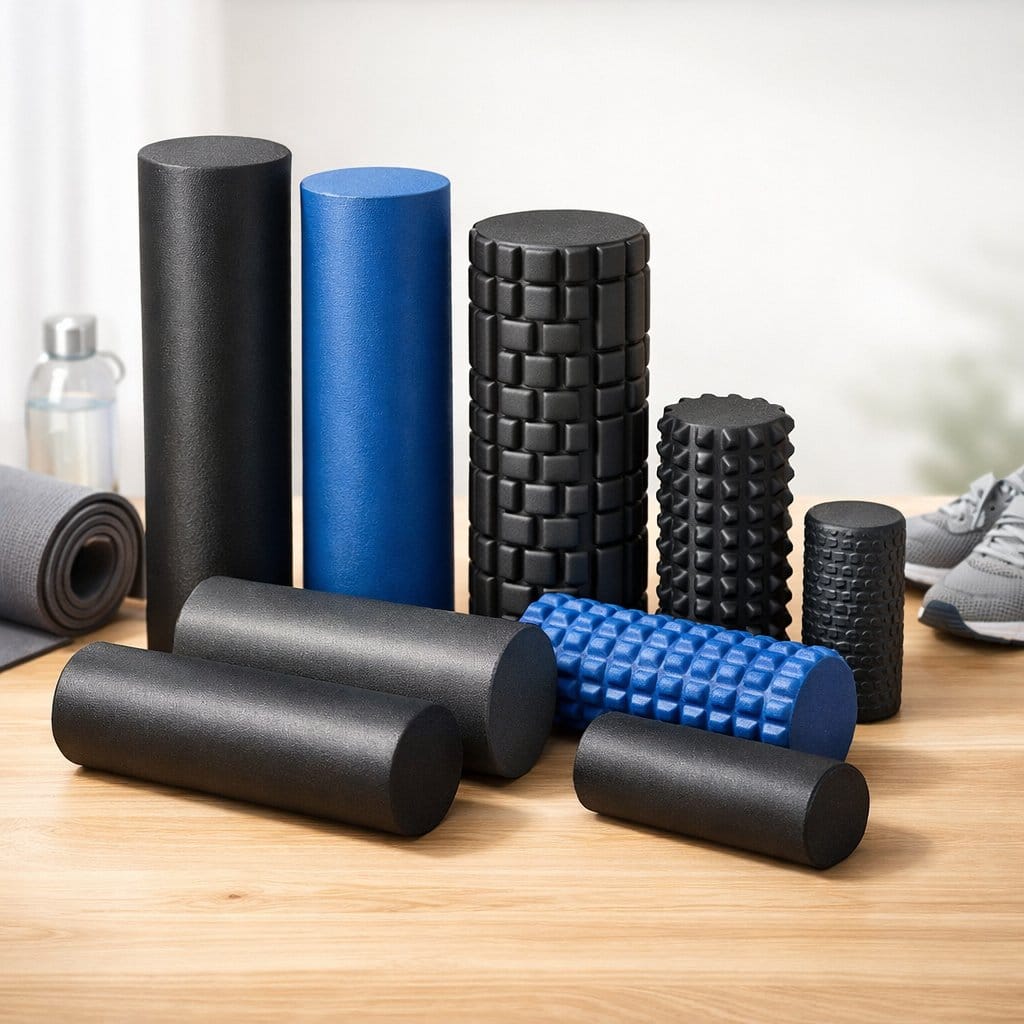
You probably need more than just a foam roller to keep your muscle recovery and post-workout recovery on track. Other tools can really help after a tough session.
Compression socks are a favorite for improving circulation in your legs after long runs. They gently squeeze your calves and help blood flow back to your heart.
Blister treatments are a lifesaver when you’re logging a lot of miles. They help you avoid sore spots that can mess with your training.
Muscle rubs are another go-to for deep tissue massage between rolling sessions. You can rub them right onto sore areas or even use them with a foam roller for back pain relief.
Mixing these tools gives you a more complete recovery routine. Some days, you’ll want a roller for tight muscles. Other days, compression gear or topical treatments might work better to improve flexibility and ease soreness.
Full Reviews
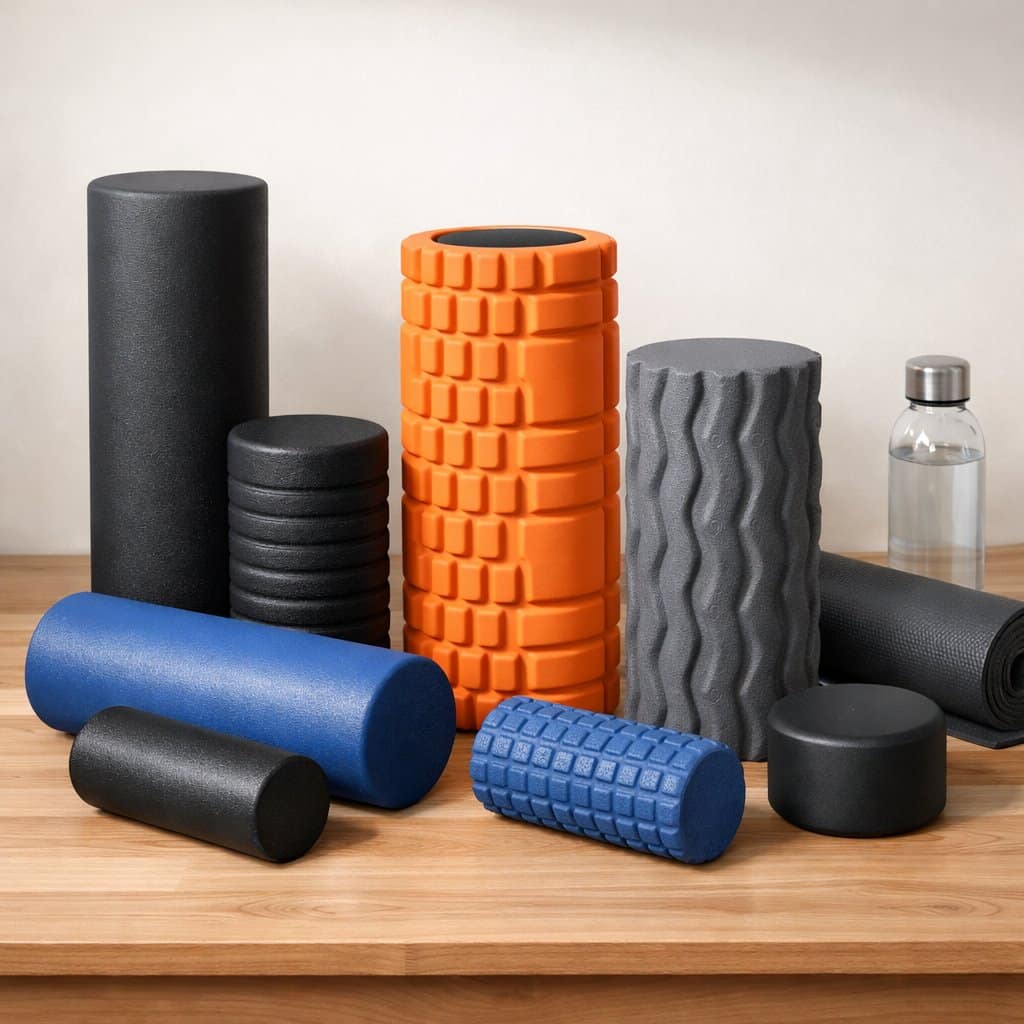
TriggerPoint GRID Foam Roller is a top pick for most people. Its textured surface and hollow core design give you targeted pressure on tight muscles.
You get three surface zones for different muscle groups. The firm construction keeps its shape over time, so you won’t have to replace it anytime soon.
You can use it for basic rolling or get fancy with advanced techniques. At 13 inches, it fits most body parts, but taller folks might want the longer version.
The pattern on the surface feels a bit like a massage—deeper than smooth rollers, but not overwhelming if you’re new. The hollow center makes it light enough to toss in a gym bag or carry around the house.
Amazon Basics High-Density Round Foam Roller is a great value option that doesn’t skimp on quality. Its smooth surface comes in several lengths, so you can pick what fits your routine and wallet.
The high-density foam keeps its firmness through lots of use. You get even pressure for muscle release across your whole body.
The straightforward design is perfect for rolling big muscle groups like your back, legs, and shoulders. It’s a bit heavier than hollow rollers but stays put while you use it.
The foam resists moisture and wipes clean with a damp cloth. Choose from 12, 18, 24, or 36-inch lengths, depending on your height and exercises. The smooth texture is comfortable against bare skin, which is always a plus.
LuxFit Premium High-Density Foam Roller balances price and durability. It holds its shape even with daily use for months, so you don’t have to worry about it flattening out.
The surface is simple and smooth, making it a good all-rounder for muscle recovery and flexibility exercises. The density sits right in the middle—not too soft, not too firm.
You get enough pressure to work out knots without feeling like you’re being punished. It comes with a one-year warranty, so you’re covered if something goes wrong.
Pick from a few colors to match your style or other workout gear. The EVA foam doesn’t break down easily, even with heavy use. You can roll on any floor without worrying about damage to your roller or your floors.
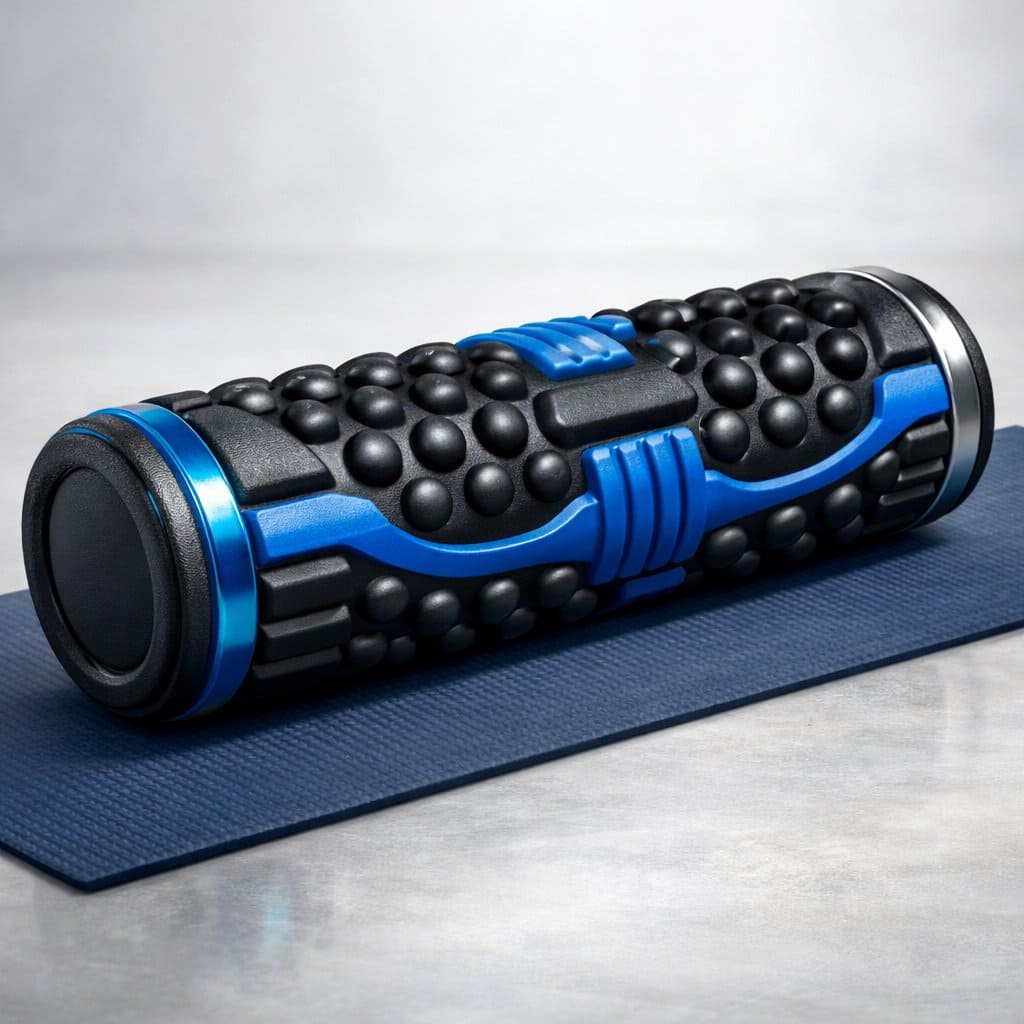
Go Fit Revolve Roller
Benefits
This roller lets you zero in on specific muscles that need extra care. You can move the nine rings around to get the exact feel you want.
This kind of customization sets it apart from fixed-design rollers like the TriggerPoint Grid. The interchangeable rings give you more control than standard foam rollers, which is pretty cool if you like options.
Drawbacks
The rings can be a pain to take off and put back on. You might fumble with them at first, trying to get everything lined up.
There’s a learning curve here. Products like the TriggerPoint Grid Foam Roller and RumbleRoller Original Textured Foam Roller are just easier to use right out of the box.
Key Specs
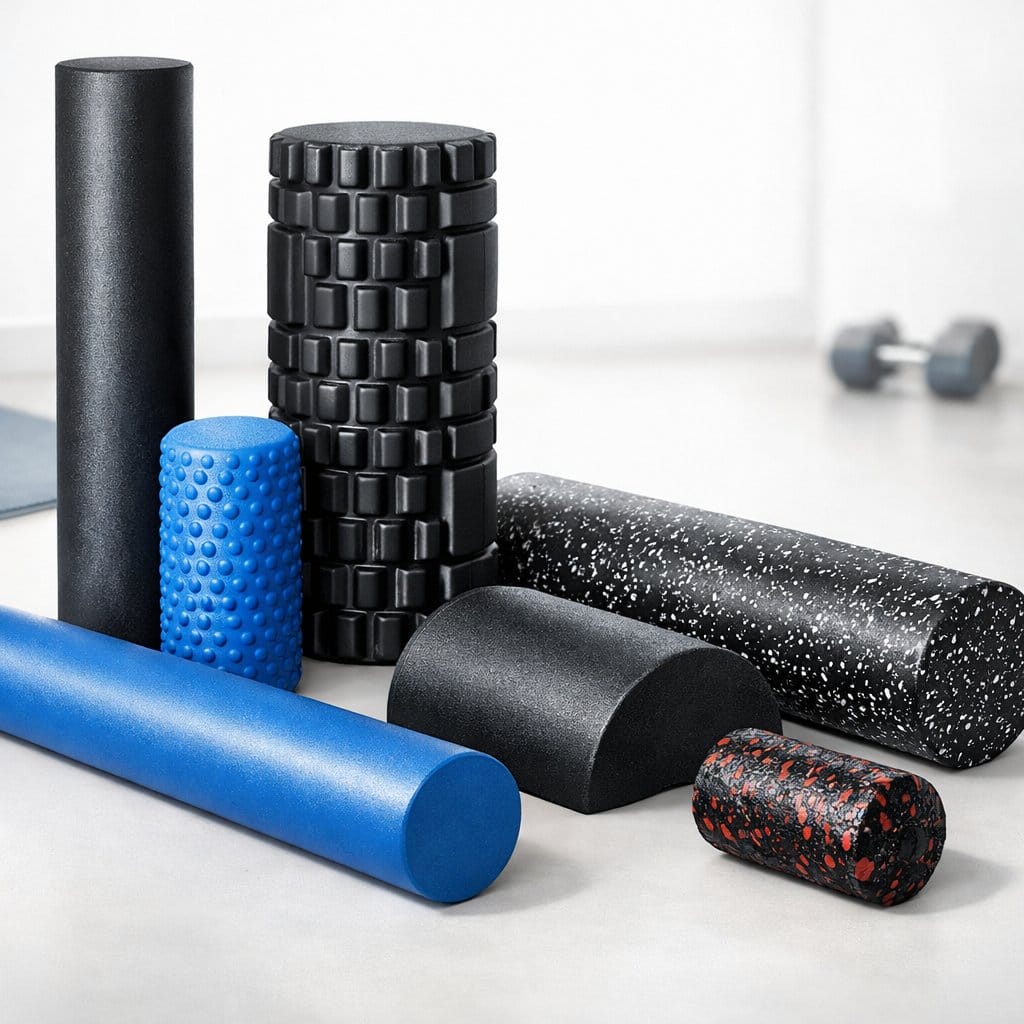
The GoFit Revolve measures 13.9 x 7.01 x 6.61 inches and weighs 3.2 pounds. It’s made from EVA foam, which is known for holding its shape over time.
Construction and Materials
High-density EVA foam forms the base. This foam gives you firm support but still has some give, so it doesn’t feel like you’re rolling on concrete.
EVA foam also stands up to repeated use, so you don’t have to worry about it breaking down quickly.
Adaptive Ring System
The standout feature is the nine removable massage rings. These come in three heights, each with its own color:
- Red rings: low profile
- Grey rings: mid profile
- Green rings: high profile
You can arrange these rings in different ways to change the roller’s texture. Each combo gives a different pressure level for your muscles.
The rings snap on and off, so you can switch things up depending on which body part you’re working on. It’s pretty handy if you like variety.
Customization Options
The color-coded system makes it easy to set up your roller. Lower profile rings are great for sensitive areas, while higher ones dig deeper into tight spots.
Mix and match to get the pressure just right. The brand even provides guides and video tutorials online to help you figure out the best setups for different muscles.
Since the rings come off, you’ll want to keep track of them. Losing a ring would be a bummer if you love customizing your roller.
Pro-Tec Athletics Blue Contoured Rollers
Benefits
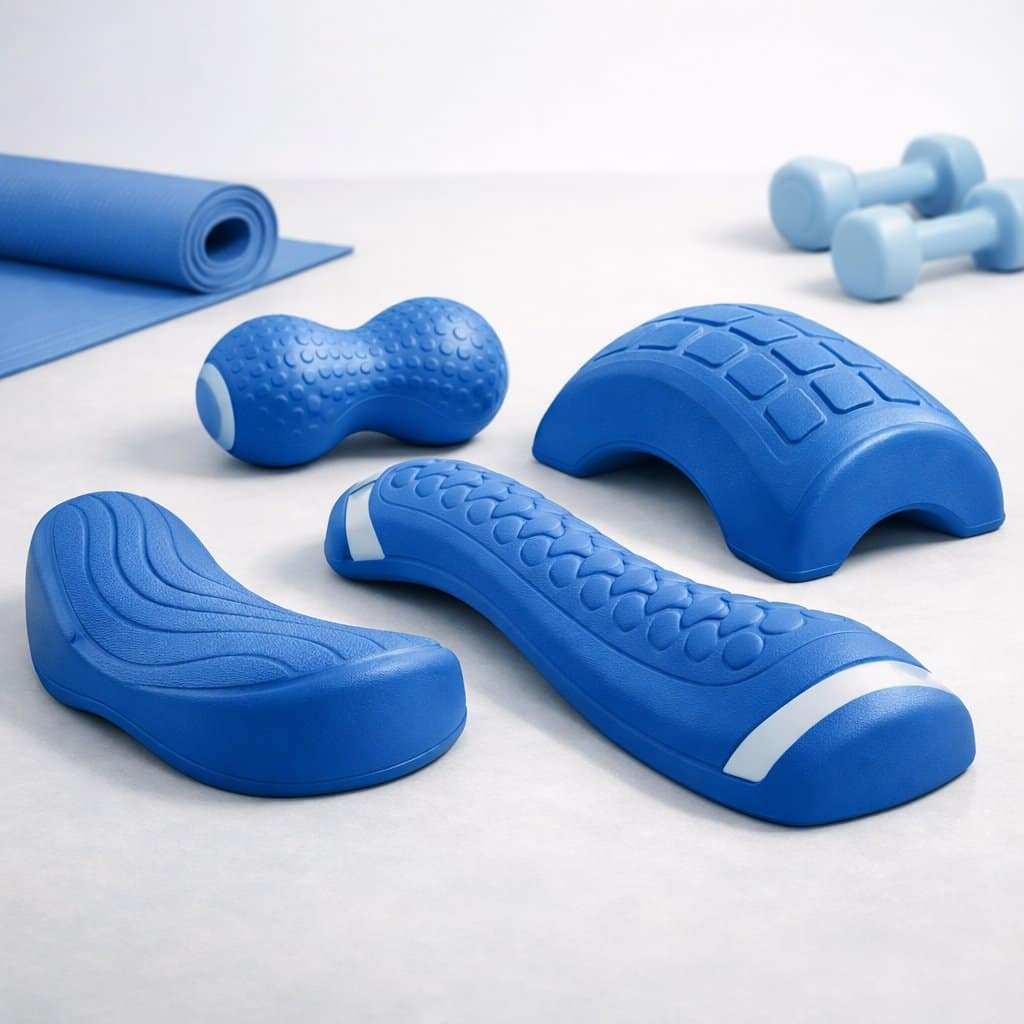
The Pro-Tec contoured roller is straightforward and easy to use. You can get deep tissue work done without needing to learn special techniques.
It’s priced well, so you won’t break the bank. Options like the Hyperice Vyper 3.0 with vibration are a lot more expensive.
The foam is firm enough to tackle tight areas. Use it before or after workouts to help your muscles recover.
Drawbacks
You can’t tweak the pressure or target spots as precisely as with some other rollers. Models like the OPTP Pro-Roller Soft or Gaiam Restore Foam Roller give you more choices in firmness.
The contoured design comes with set ridges and bumps, so you’re stuck with what the manufacturer picked. Smooth rollers like the Amazon Basics High Density Foam Roller or ProSourceFit High Density options let you control things a bit more.
It doesn’t offer the same versatility as vibrating models like the Hyperice Vyper, which let you adjust intensity for what your body needs that day.
Key Specs
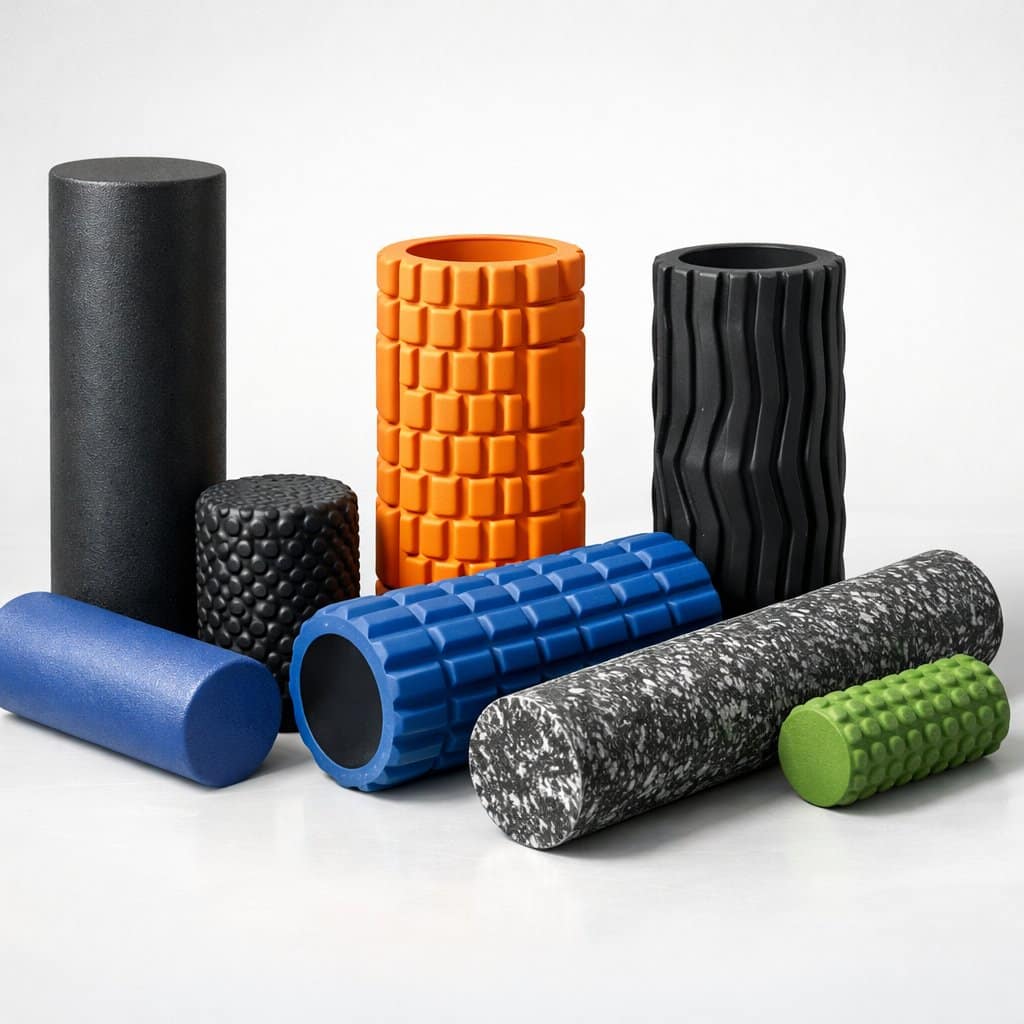
The Pro Tech foam roller measures 5 inches in diameter and 14 inches long. It weighs just 1 pound, so you can toss it in a gym bag without a second thought.
High-density EVA foam gives it solid durability and the right amount of firmness for muscle work. This foam feels sturdy but isn’t rock-hard—most people find the balance comfortable.
The raised contours on the surface do two things. They boost blood flow and dig a bit deeper into tight spots, while also giving you some traction when you’re sweaty or rolling on a slippery floor.
Quick Reference:
- Size: 5 x 14 inches
- Weight: 1 pound
- Construction: High-density EVA foam
- Surface: Contoured texture
The textured design gives you more grip than a smooth roller. The contours aren’t super aggressive, so you can use it on most muscle groups without feeling like you’re being pummeled.
Overall, the build quality and price make it a practical pick for everyday use. If you’re just getting started or want something straightforward, it’s a pretty friendly option.
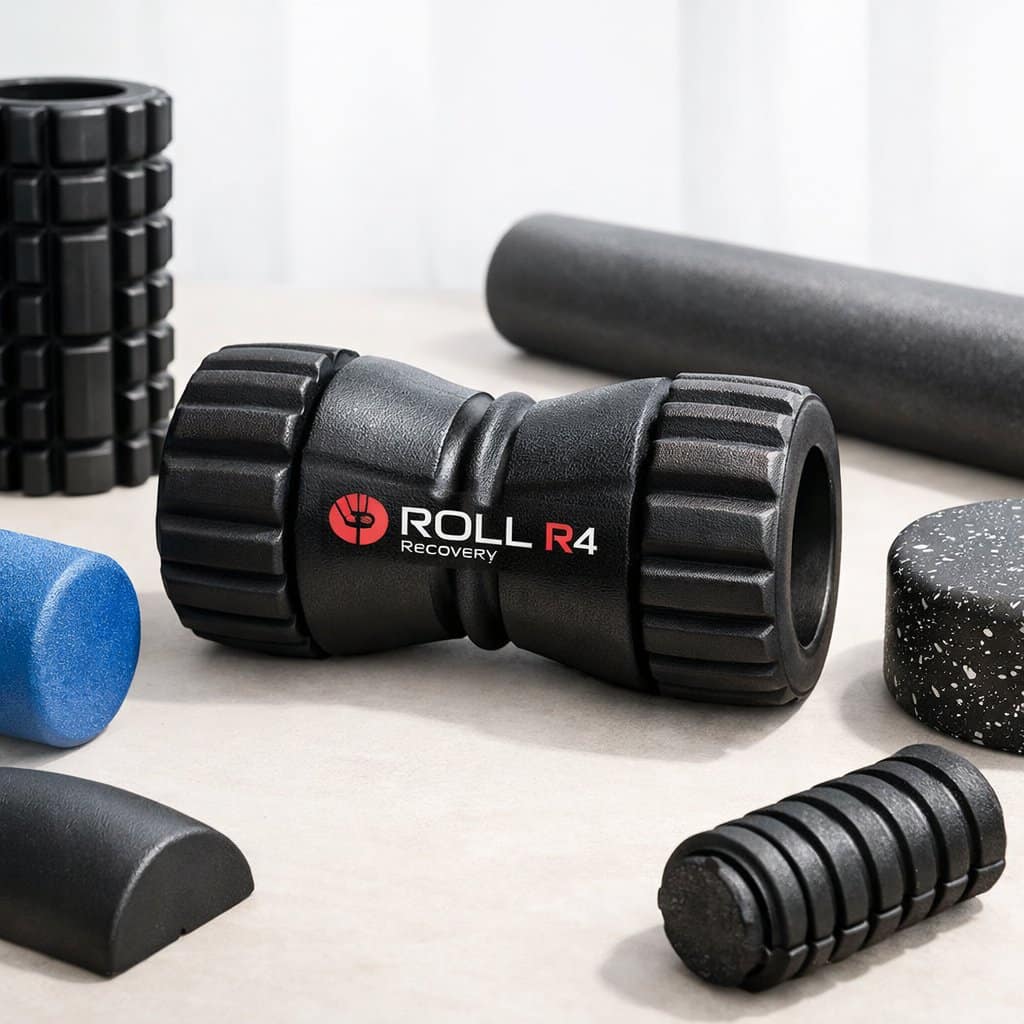
Roll Recovery R4
What Works Well
The Roll Recovery R4 body roller works for just about any muscle group—your back, legs, wherever you need it. You get solid value without needing fancy electronics or attachments.
What Falls Short
This roller costs more than the basic foam options out there. You’re paying a premium, even though it doesn’t have massage or vibration features.
Key Specs
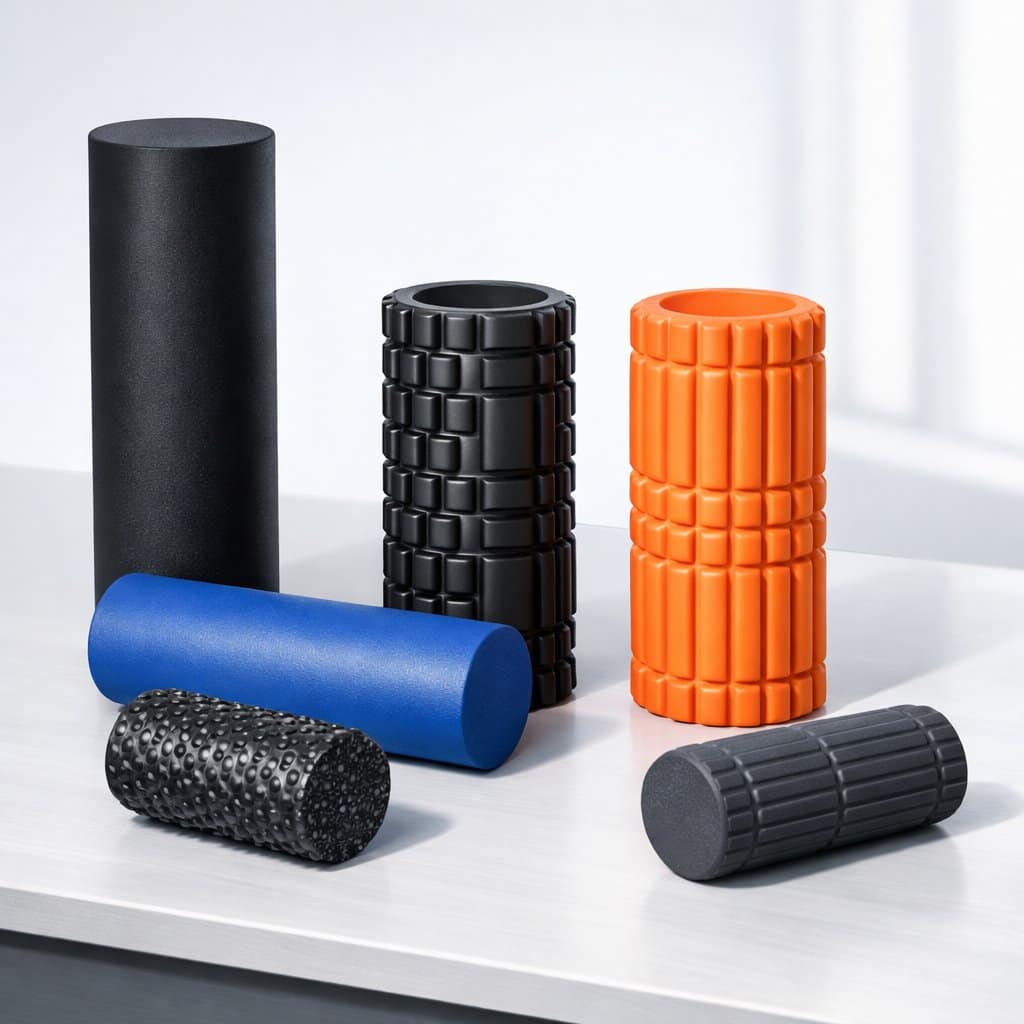
This roller is 18 inches long and 6 inches wide. At 2.6 pounds, it’s light enough to move around your workout space without fuss.
The high-density EVA foam holds its shape, even if you use it a lot. You won’t see it flatten out after a few months.
Notable Design Features:
- Diamond-textured surface for better grip
- Center groove running the length of the roller
- Smooth edges that won’t dig into your skin
The center groove is handy for rolling along your spine or neck without putting pressure right on the bones. It’s also good for working your IT band, since you can hit the muscles around it without too much pain.
The diamond pattern gives you traction, but it’s not so rough that you dread using it on sore muscles. It’s a nice middle ground.
Yeah, it’s pricier than a basic roller, but the design details justify it if you want a few extra features. Sometimes you really do get what you pay for.
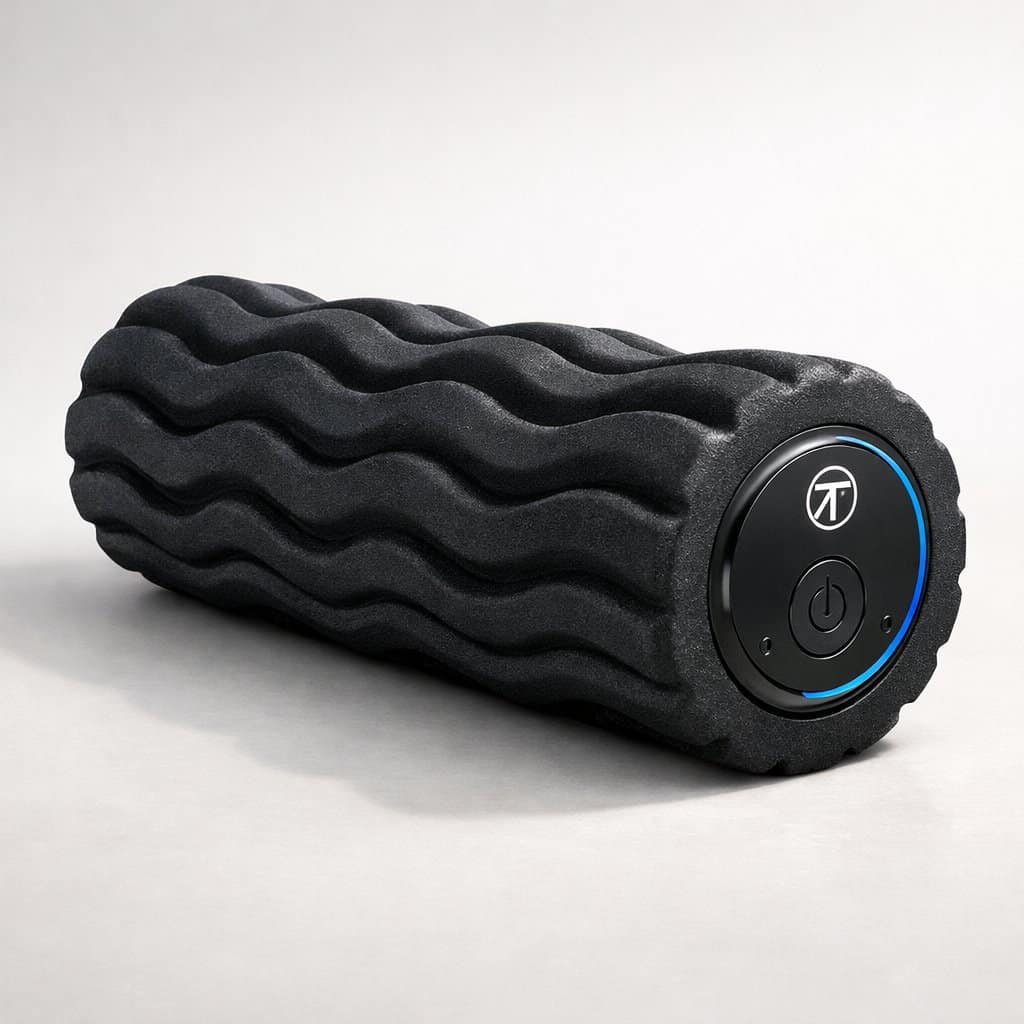
Therabody Wave Roller
Benefits
The vibration feature adds something extra to your recovery routine. Even when the battery dies, you can still use the Therabody Wave like a regular foam roller.
You also get access to guided routines through the Therabody app, which is a nice touch if you like structure.
Drawbacks
The Therabody Wave Roller is a lot pricier than non-vibrating rollers. You’ll need to remember to charge the battery if you want the vibration. For basic muscle recovery, some folks may not need the vibration at all.
Key Specs
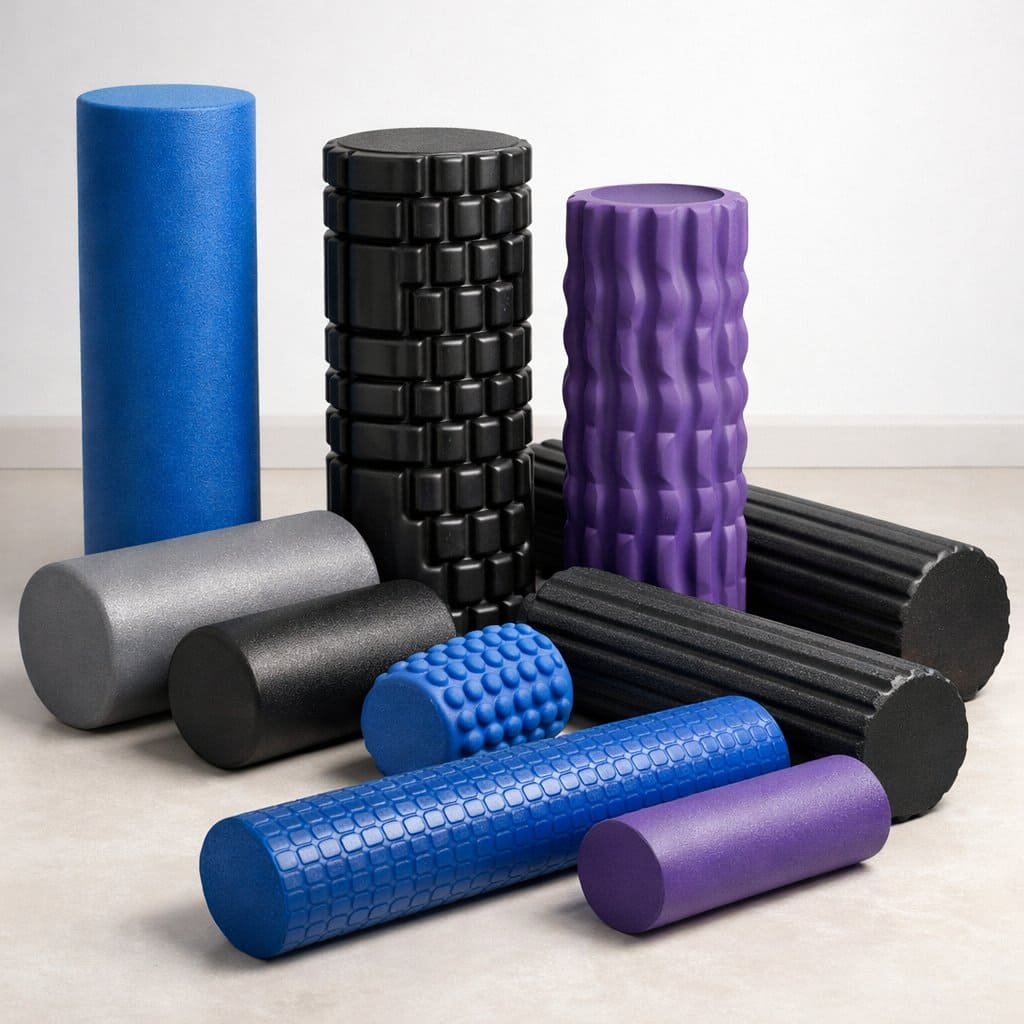
The Therabody WaveRoller measures 12 inches long by 5.1 inches in diameter. It weighs 3.3 pounds, so it stays put when you use it. The hypoallergenic EVA foam feels supportive and durable.
The battery runs for 180 minutes on a full charge, which is plenty for several sessions. You don’t have to worry about charging it every day.
Main Features:
- Dimensions: 12.0 x 5.1 inches
- Weight: 3.3 lbs
- Material: Hypoallergenic high-density EVA foam
- Battery Life: 180 minutes
- Surface Texture: Wave pattern design
The wave texture grips most floors, but honestly, it feels a bit more stable on carpet. The vibration tech adds a different dimension to your recovery, and it might be just the thing if you want more than a standard roller can deliver.
Chirp Rolling Percussive Roller
Benefits
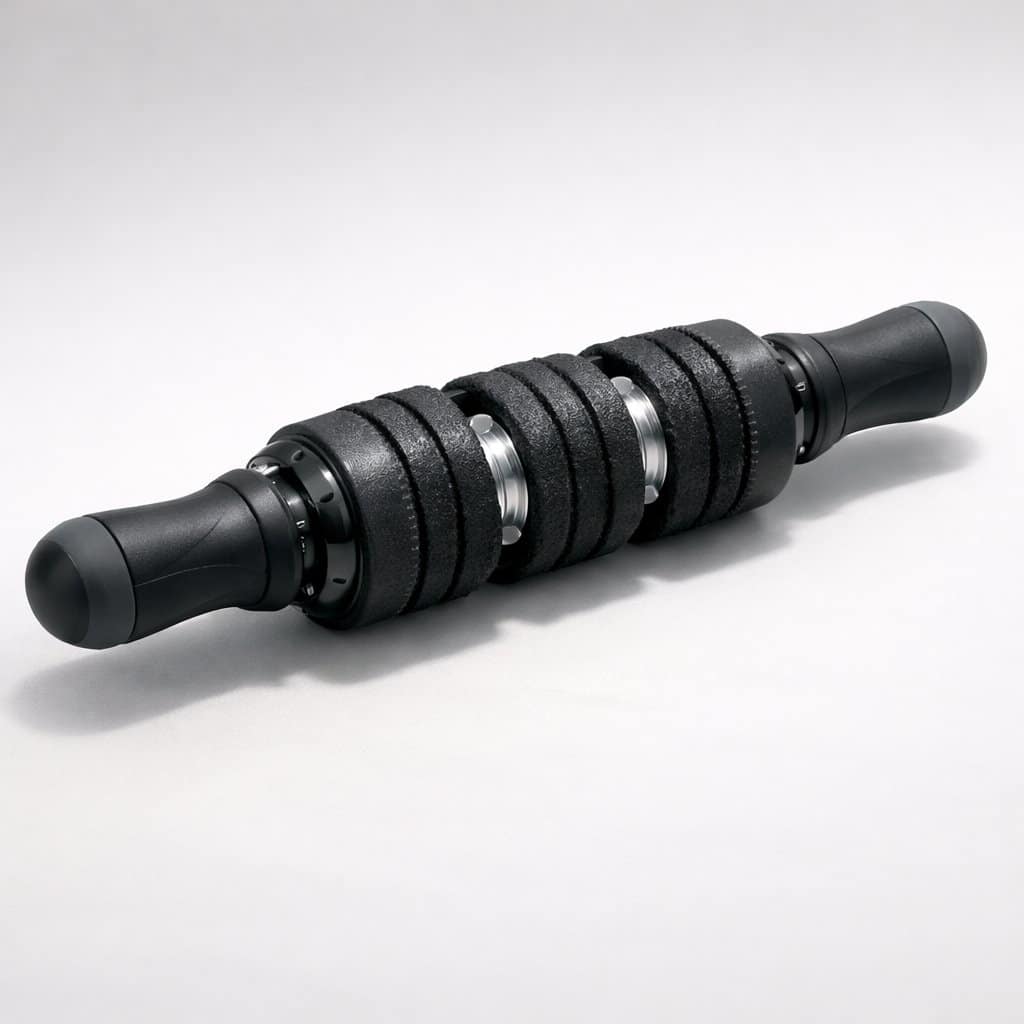
You don’t have to hold this device in place—it stays put while you work. The massager provides both the pressure of a roller and the pulsing action of a massage gun at the same time.
It works well for your legs, back, and feet. The hands-free design means you can relax a bit more during use.
Drawbacks
This device uses hard plastic instead of foam, so it feels different than a traditional roller. You’ll need to keep the battery charged—once it’s out, it won’t work like a regular roller.
Key Specs
| Specification | Details |
|---|---|
| Size | 22 x 5 x 2 inches |
| Weight | 7 pounds |
| Battery Life | 4 hours |
| Speed Settings | 5 adjustable levels |
| Rotation | Reversible spin direction |
This roller ditches foam for eight spinning bars, each rotating on its own to target sore muscles. You get five speed settings to fine-tune your massage, plus a reversible spin if you want to switch things up.
The battery lasts about 4 hours, so you won’t need to charge it constantly. At 7 pounds, it’s heavy, but you can still move it around your house without too much hassle.
The included base really stands out. You can use this roller on the floor like a standard model, or lock it into the stationary base to work your muscles while sitting or standing. That’s a nice option if you’re not keen on getting down on the floor every time.
The 22-inch length is compact enough to store easily, but big enough for most muscle groups. It’s a clever design, honestly.
lululemon Double Roller
Benefits
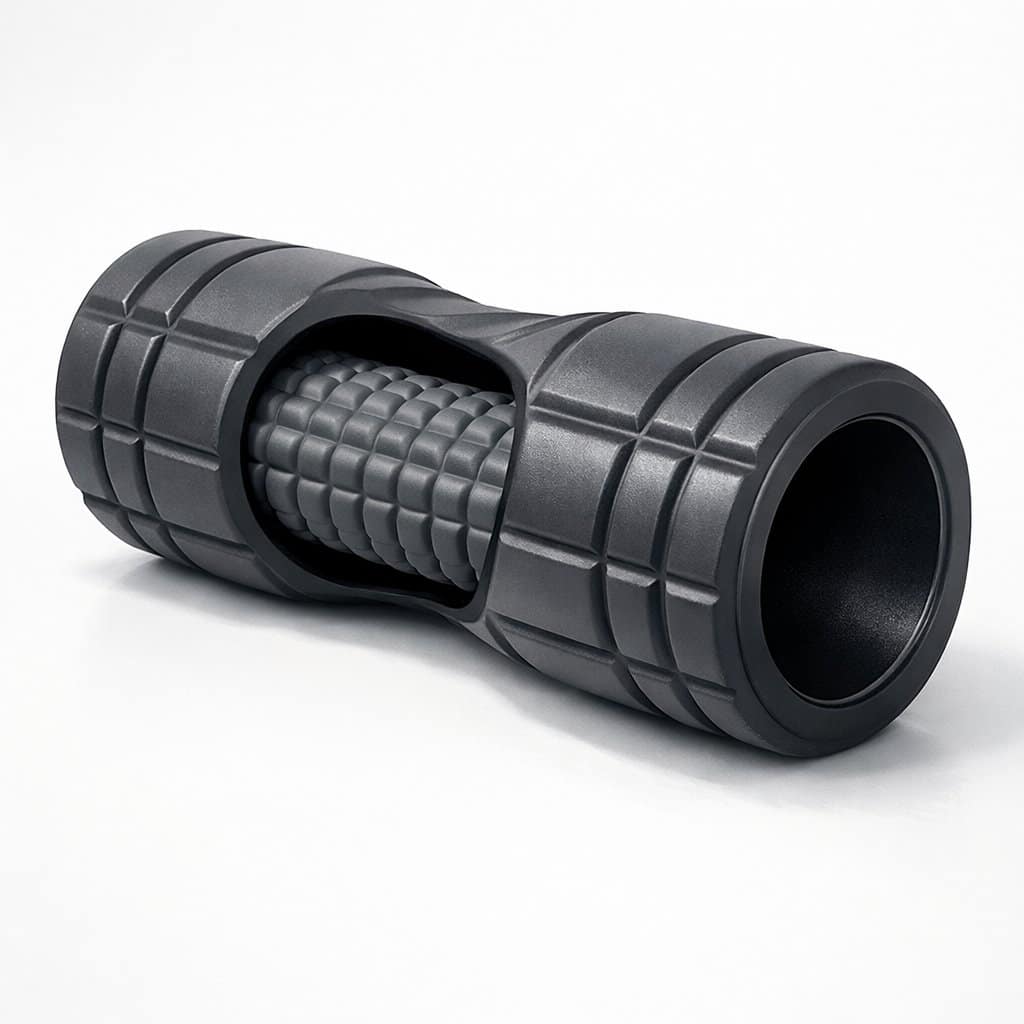
This roller gives you two tools in one—an outer layer wraps around an inner roller, so you can pick your firmness without buying more gear. Raised textures on the surface help it grip your body, keeping it from sliding around when you work on your back, legs, or arms.
Drawbacks
The outer roller is smooth, so you can’t target specific muscle groups as precisely as you could with a more textured roller like the brazyn morph collapsible. If you really want to dig into a tight spot, you might find yourself wishing for more variety in the surface. The brazyn morph and morph collapsible rollers do offer more patterns for pinpoint work, if that’s what you’re after.
Key Specs
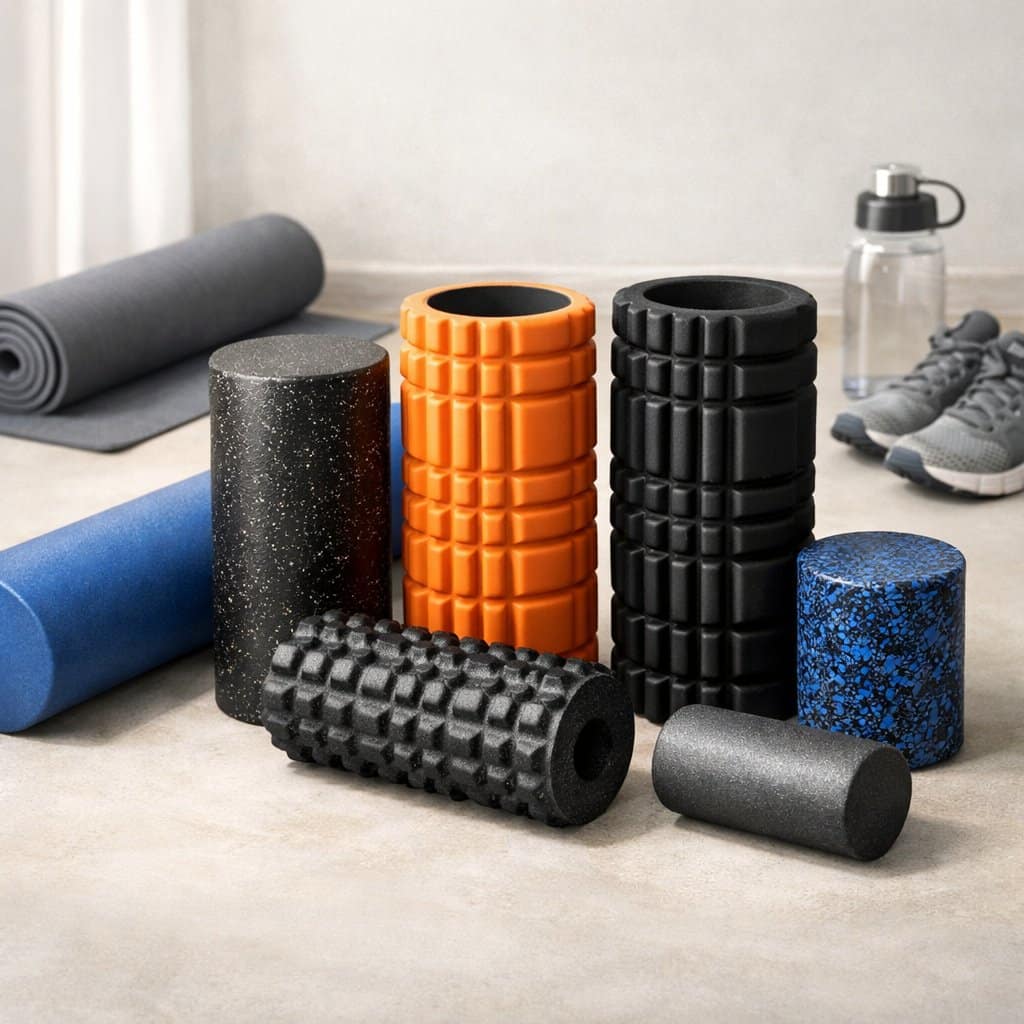
Shopping for a foam roller? You’ll want to know the basics—measurements and features can really change how a roller feels and what it does for you.
Most rollers come in a few standard sizes, and honestly, each one has its own sweet spot.
Length Options
You’ll see three main roller lengths out there. Short rollers, about 12 inches, are great for travel or if you just want to hit small muscle groups.
Medium rollers, clocking in at 18 inches, hit that balance between easy to carry and actually useful. Full-length rollers stretch to 36 inches and cover large muscle groups—perfect for full-body moves.
Diameter Choices
Diameter is about stability and how deep you want to go. Most rollers are 4, 5, or 6 inches thick.
Six inches is the classic beginner size—super stable. Smaller diameters dig in deeper but take a steadier hand (and core).
Density Levels
| Density Type | Firmness | Best For |
|---|---|---|
| Low | Soft | Beginners, sensitive muscles |
| Medium | Moderate | General use, most users |
| High | Very firm | Advanced users, deep tissue work |
Weight Capacity
Your roller has to support your weight—no one wants a squished, saggy roller. Most decent ones hold between 250 and 500 pounds.
Always check the manufacturer’s specs before you buy, just to be safe.
Surface Texture
Some rollers are smooth, others look like they’ve been through a pasta maker. Smooth rollers give even pressure—simple, classic.
Textured rollers have ridges, bumps, or grids that dig in like a massage therapist’s elbow. Grid patterns are popular since they mix both worlds.
Material Construction
What’s inside matters. EVA foam feels dense and lasts a long time, but you’ll pay more for it.
EPP foam resists getting squashed and keeps its shape. Standard foam is cheap but honestly, it wears out faster if you use it a lot. Some brands add a hollow plastic core with foam on top for extra durability.
Weight Range
If you’re carrying it around, weight matters. Light rollers come in under a pound.
Most average rollers weigh one to three pounds. The fancy vibrating ones with batteries? Those can tip the scale at five pounds.
Premvida Arrow Vibrating
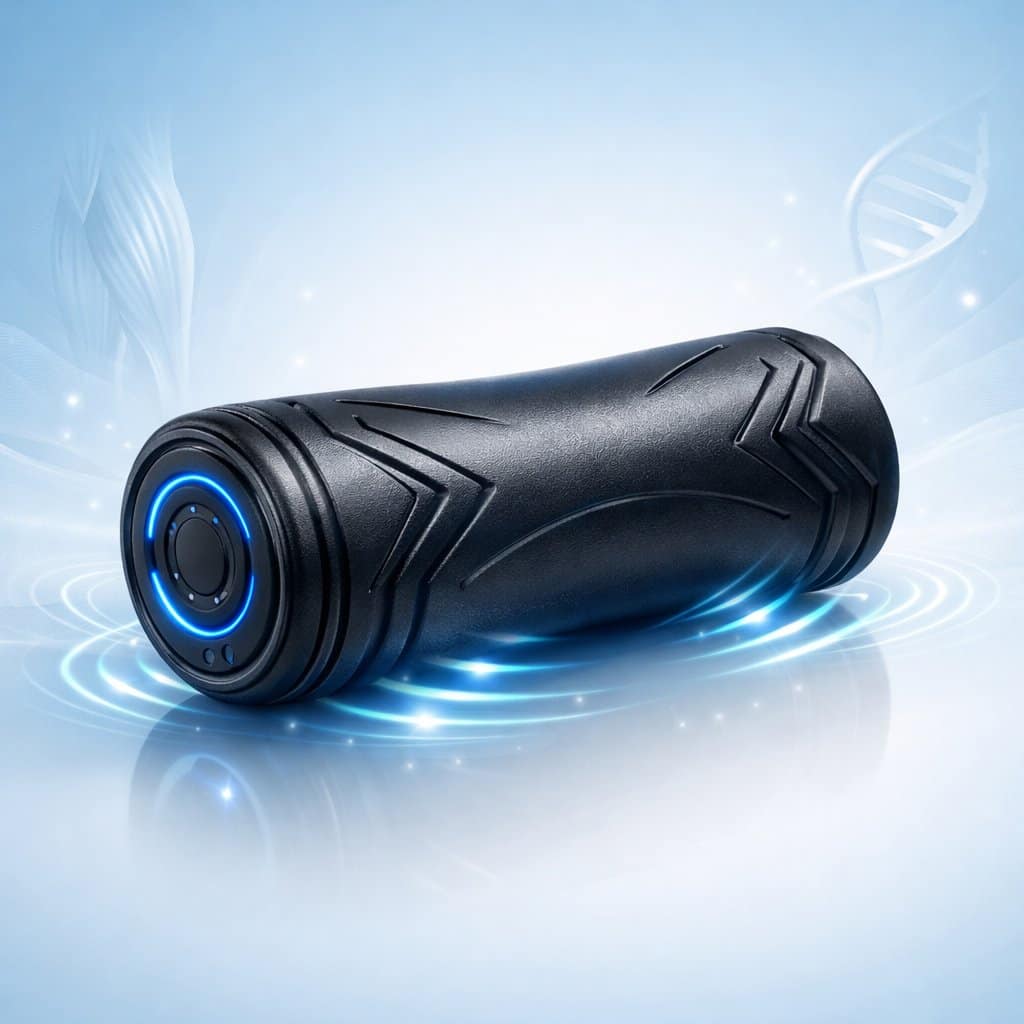
The Premvida Arrow Vibrating stands out if you want to step up your recovery routine. This roller brings vibration technology together with classic rolling, so your muscles get a bit more help relaxing and bouncing back.
The design’s pretty straightforward. Even if you’ve never touched a vibrating roller, you’ll figure it out fast.
The Arrow’s 12.75 inches long and 6 inches in diameter. That extra firm EVA foam exterior? It won’t collapse, even if you put your full weight on it.
Dual massage zones sit on the surface, so you can tweak your rolling style depending on what your body’s asking for that day.
A big three-position dial controls the vibration. You can change settings in seconds—no need to pause or fiddle mid-roll.
The motor packs a punch, sending strong vibrations deep into your muscles. It’s great for breaking up tension and boosting blood flow right where you need it.
This roller’s battery life is actually impressive. During testing, it ran two hours and 44 minutes on high before needing a charge.
The charging port hides under a removable cover, which keeps out sweat and dust. That’s one less thing to stress about if you’re using it after a sweaty workout.
Raised zones on the surface add extra massage benefits. They work with the vibrations to target those stubborn knots and tight spots.
That firm density means the roller won’t lose its shape, even if you’re rolling every day.
Premvida offers a one-year warranty if you register your roller after buying. It’s nice to know you’re covered and that the company stands behind their product.
Benefits
Intuitive Controls
The three-position dial makes changing vibration levels a breeze. No tiny buttons or confusing menus to mess with mid-roll.
The dial’s big, easy to grip, and you’ll feel a click with each setting—no guessing.
Powerful Vibration Technology
The motor’s no joke. You’ll feel those vibrations deep in your muscles, which helps with recovery and blood flow after a tough session.
Three speeds give you options, so you can match the intensity to how you’re feeling that day.
Durable Construction
That extra firm EVA foam doesn’t squish or lose its shape, even if you use it a lot. The build feels solid and ready for whatever you throw at it.
It’ll easily take your full body weight without cracking or caving in.
Dual Massage Zones
Two different massage zones let you mix things up. One’s textured for digging into tight spots, the other’s smoother for those days you’re feeling a bit tender.
You can really focus on areas that need extra help or switch to gentle rolling when you want.
Long Battery Life
The battery keeps going—almost three hours on high. You won’t have to charge after every use, which is honestly a relief.
Multiple sessions in a week? No problem.
Protected Charging Port
The charging port sits under a cover, so sweat and dust don’t get in. The cover snaps on tight but pops off easily when you need to recharge.
Effective for Deep Tissue Work
If you’re chasing that deep tissue release, this roller delivers. The combo of firm foam and vibration helps muscles let go in a way regular rollers sometimes can’t.
The 6-inch diameter gives enough pressure to really get into those stubborn knots.
Quality Materials
No weird chemical smell here. The EVA foam feels sturdy and holds up, even after a lot of use.
It’s clear this isn’t a flimsy, disposable roller.
Warranty Coverage
A year-long warranty gives some peace of mind, especially with the higher price tag. If something goes wrong, you’re not left hanging.
Drawbacks
Compact Size Limitations
At 12.75 inches, the Arrow’s shorter than a lot of standard rollers. If you’ve got broad shoulders or a wide back, you might find it tough to roll your upper back comfortably.
It’s great for legs and arms, but not ideal for bigger muscle groups.
Noise Level
The motor averages 75 decibels. That’s definitely noticeable—maybe a bit much if you want a quiet recovery or you’re sharing space.
If you’re sensitive to noise, it could get on your nerves.
No Battery Indicator
You have to plug it in to check the battery. No lights or display to show how much charge you’ve got left.
It’s a little annoying—sometimes you’ll start rolling and the battery just gives up halfway through.
Spinal Vibration Concerns
If you roll horizontally across your back, your spine feels the vibrations directly. Some people don’t mind, but others find it uncomfortable or even weird.
You might need to play with your positioning or skip certain moves if it bothers you.
Higher Price Point
Vibrating rollers cost more, and this one’s definitely not the cheapest. You’ll have to decide if the extra features are worth the splurge.
If you’re on a tight budget, it might be a stretch.
Limited Length for Some Exercises
The shorter length limits some rolling techniques—especially moves where you want to lie lengthwise across the roller.
Taller folks or people with longer limbs could find it a bit cramped.
Vibration Preference
Not everyone loves vibration therapy. If you’re used to classic foam rolling, the sensation might feel odd at first.
Give it time, but it’s not for everyone.
Weight and Portability
The motor and battery add weight, so this roller isn’t as travel-friendly as a basic foam model. It’s bulkier, too, which can be a pain if you’re always on the go.
Key Specs
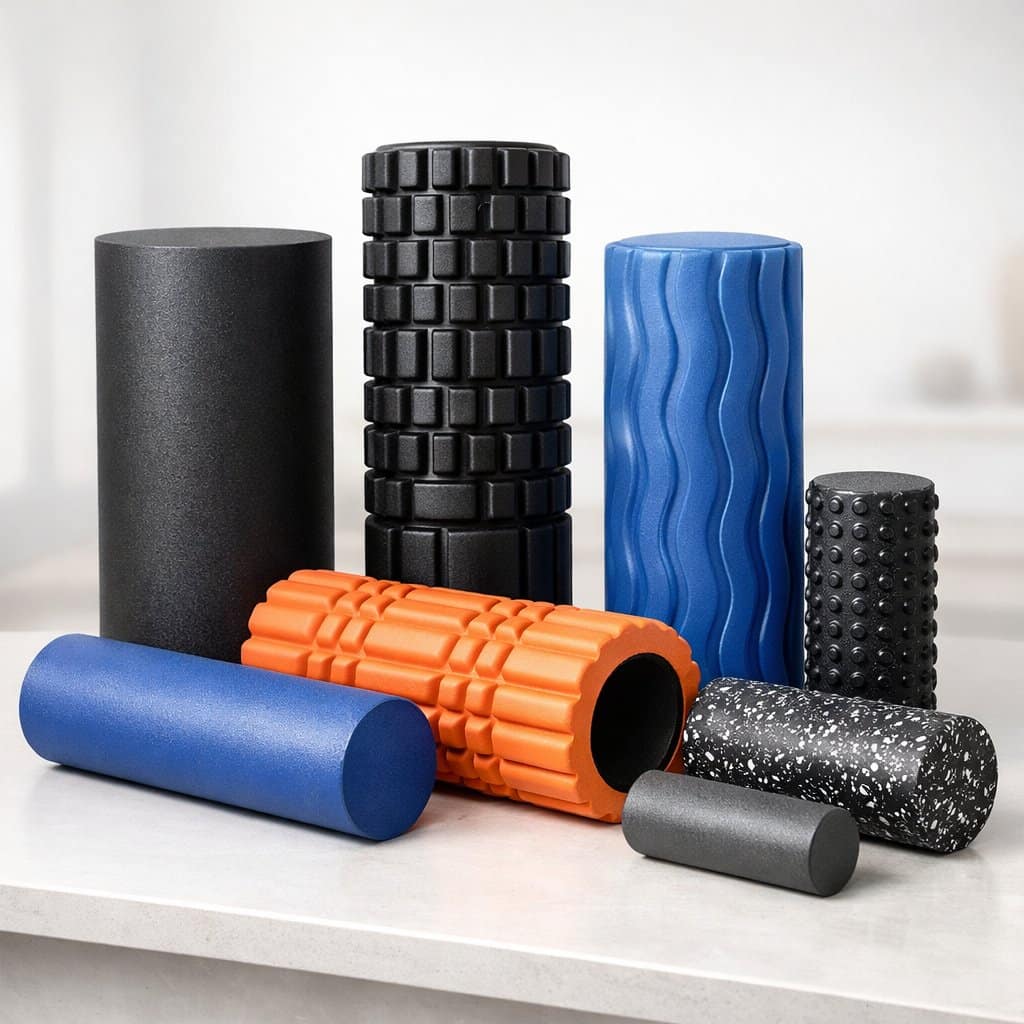
When you’re picking out a foam roller, it helps to know which specs matter for you and your goals.
Size and Dimensions
Rollers come in different lengths and widths. The standard is 36 inches—good for your back and bigger muscles.
There are also 24-inch rollers, which fit easier in a gym bag. Shorter 12-inch rollers work best for calves or arms.
Diameter is usually 6 inches, though you’ll see 4- or 5-inch versions. A wider roller gives you more stability as you roll.
Density and Firmness
Density affects how much pressure you’ll feel. Here’s the quick rundown:
- Soft density – Nice if you’re new to rolling or your muscles are sensitive
- Medium density – The go-to for most people and daily use
- Firm density – Best for deep tissue work if you’re experienced
Surface Texture
Your roller will be smooth or textured. Smooth ones spread pressure evenly, while textured rollers—think ridges or grids—get deeper into muscle tissue.
Weight Capacity
Most rollers support 250 to 500 pounds. Always check the specs to make sure it’ll handle your weight safely.
Material Construction
Rollers use EVA foam, EPP foam, or sometimes a hollow plastic core. EVA is light and affordable, EPP lasts longer and keeps its shape.
Hollow core designs with foam on top are usually the most durable.
Portability
Full-length rollers weigh one to three pounds. Some models fold or collapse to save space, and a few come with carrying bags if you’re on the move.
TriggerPoint Grid
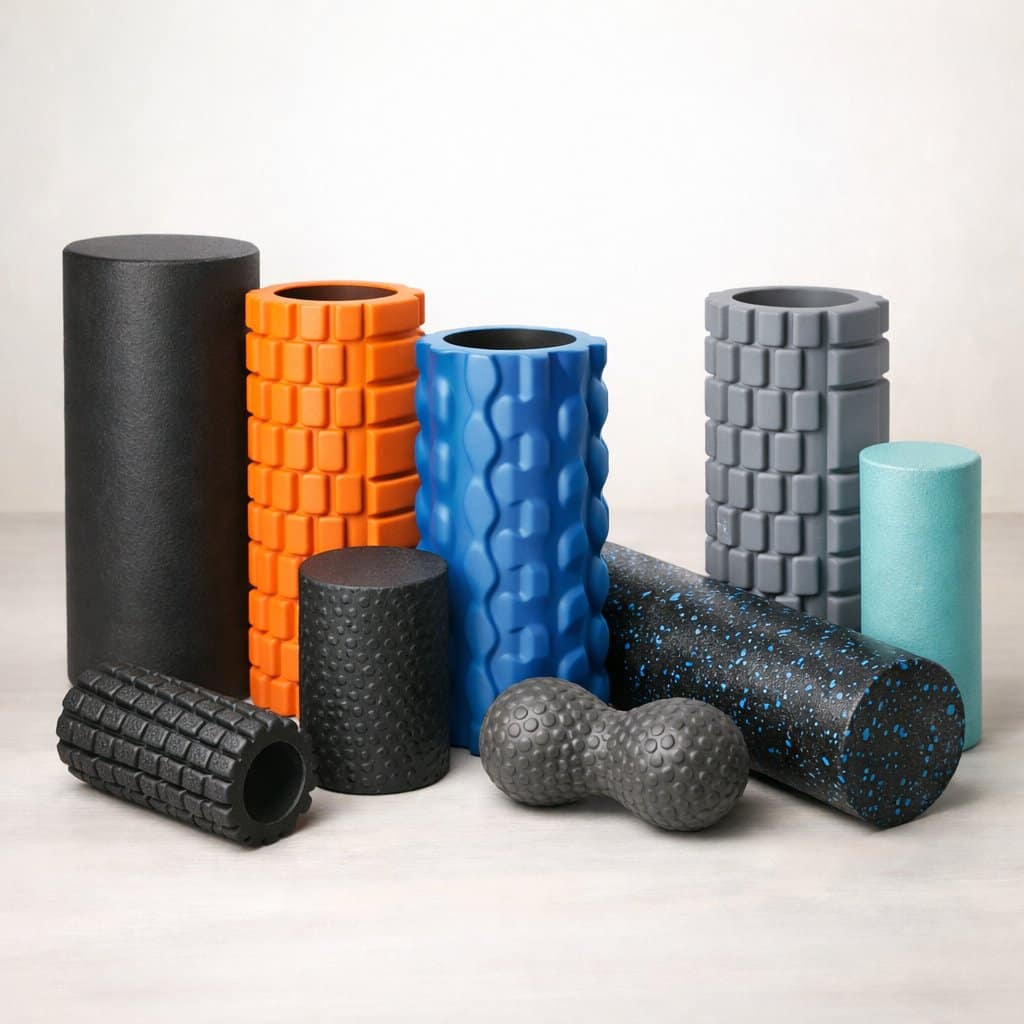
The TriggerPoint Grid has become a go-to self-massage tool in physical therapy clinics, gyms, and home setups. It’s popular with beginners and seasoned athletes alike because of its smart design and practical features.
This roller uses a hollow core construction, which gives it a unique feel compared to traditional solid foam rollers. At just under 13 inches long and 5.35 inches in diameter, it feels light in your hands—only 1.8 pounds—but still stable when you’re rolling.
The core is a tough plastic tube about .2 inches thick, wrapped in a half-inch layer of multi-density EVA foam. That combo gives you a surface that’s firm but not punishing, and it adapts to different pressure preferences.
The surface has a moderate texture. It’s not totally smooth, but it’s not aggressively bumpy either.
These textured zones help you zero in on tight muscles with a bit more precision. The pattern stays consistent all over, so you know what to expect as you roll different body parts.
This roller won’t break the bank. The price makes it a realistic option for folks who want good recovery gear without going overboard.
That affordability definitely explains why so many people use it. The EVA foam keeps its shape even after a lot of use.
Traditional foam rollers sometimes lose their firmness, but this one holds up. You won’t be tossing it out after a few months, and it doesn’t develop those weird smells that cheaper foam can get.
Advantages
Build Quality and Longevity
The hollow core makes it surprisingly tough for regular use. That inner plastic tube keeps it from collapsing, even if you put your full weight on it.
The EVA foam doesn’t tear easily and keeps its texture, even after months of rolling. This construction ends up stronger than most solid foam options.
You can press hard without worrying about damage. Whether you store it in a cool basement or a hot garage, the materials stay solid.
Surface Design
The texture hits a sweet spot. It’s not so smooth that you barely feel anything, but it’s not harsh either.
The raised areas help break up knots, but the flatter parts give your muscles a break. You can control how intense it feels by shifting your body weight or position.
Since the pattern doesn’t change, you won’t get any nasty surprises. That predictability helps you relax instead of bracing for random pressure spikes.
Size and Portability
At 1.8 pounds, it’s easy to grab and move around the house or throw in your gym bag. The 13-inch length means it doesn’t hog space in your closet or car.
You can bring it along for a gym session or on a trip without much hassle. If you live in a small apartment, you’ll appreciate how little space it takes up.
Targeted Muscle Work
The 5.35-inch diameter lets you dig into specific muscle groups. It’s especially handy for smaller spots like calves or forearms, where a bigger roller might feel clumsy.
The firmness and size help you get into those stubborn knots. Just shift your body to change the pressure—it’s stable and doesn’t slide out from under you.
Value for Money
The price lines up with the quality. You’re getting a solid recovery tool that feels professional without the premium markup.
Some rollers cost more but don’t last as long. Here, you get a fair deal and likely won’t regret the purchase.
Versatility Across Activities
Whether you run, lift, do yoga, or play team sports, this roller fits into your routine. Use it to prep before a workout or to recover after.
The design works for different rolling styles and body shapes. Physical therapists often recommend similar rollers for rehab exercises.
The firmness suits both maintenance and tackling tight spots. You can add it to your stretching routine or just use it on its own.
Material Safety
The EVA foam doesn’t contain latex, so it’s safe if you have allergies. It doesn’t give off harsh chemical smells either, which is a relief if you’re rolling indoors.
It doesn’t break down into dust or little bits. You can wipe it clean with a damp cloth, so keeping it hygienic isn’t a pain.
Limitations
Length Restrictions
The 13-inch length can be limiting for some exercises. If you have broad shoulders, you might find it too short for comfortable back rolling.
When you lie across it, your shoulders could hang over the edges, which feels awkward. Longer rollers let you support your whole spine, so with this one, you’ll need to adjust your positioning a bit more.
Firmness Level
Most people like the firmness, but if you want a super-intense massage, this might not cut it. Folks with really tight muscles or those used to harder rollers may find it a bit too forgiving.
The multi-density foam is supportive but doesn’t match the bite of extra-firm or heavily textured rollers. It really comes down to your own pain tolerance and what you want out of a session.
Size Limitations for Certain Muscle Groups
The compact size makes it easy to carry, but it also means you can’t roll long muscle groups in one go. For areas like your IT bands or hamstrings, you’ll need to do more passes.
The diameter is great for targeting, but some stretches just feel better on a wider roller. It’s a trade-off between portability and coverage, honestly.
Key Specs
Picking a foam roller? Here are the features that actually matter for your body and routine.
Density and Firmness
Rollers come in three main firmness levels. Soft ones are great if you’re new to rolling or your muscles are sensitive.
Medium-density gives you a balance of comfort and pressure. Firm rollers are for deep tissue work and suit people who roll often or want more intensity.
Size and Dimensions
You’ll see rollers in lots of lengths and diameters. The standard size is 36 inches long and 6 inches wide.
Shorter rollers (12 to 18 inches) fit in gym bags and work well for targeting specific muscle groups. Half-length (18-inch) rollers are a nice compromise between portability and function.
Diameter matters for stability—wider rollers keep you balanced, while narrower ones ramp up the intensity.
Surface Texture
Smooth rollers give you even pressure. Textured ones have bumps or ridges to target knots and trigger points.
Some rollers mix up the textures so you can hit different muscle groups more effectively.
Material Construction
Most use EVA foam, which holds up well over time. Some have a hollow core with a plastic or PVC pipe inside for extra strength.
High-density foam resists breaking down, even if you use it a lot.
Weight Capacity
Good rollers support anywhere from 250 to 500 pounds. Always check the weight limit so you don’t end up with a squishy or misshapen roller.
Portability Features
Weights range from under a pound for basic models to over three pounds for heavy-duty ones. Some come with straps or bags, and hollow-core designs let you stash stuff inside.
Brazyn Morph Travel Roller
The Brazyn Morph is for folks who need to save space. It folds flat in seconds thanks to a clever design, so you can pack it almost anywhere.
Collapsed, it’s just over 14 inches long, 6.5 inches wide, and under 2 inches tall. That makes it easy to slip into a suitcase, gym bag, or even the trunk of your car.
When you’re ready to use it, just pull two tabs and it pops open into a full-size roller. No tools, no fuss—the whole setup takes maybe ten seconds.
Fully expanded, it’s 14.5 inches long. That’s enough width for most people to roll out their upper backs without it feeling oversized or awkward.
Brazyn says it supports up to 350 pounds, which seems pretty reassuring for most users. They built it using bamboo, recycled aluminum, and recycled foam—so it’s not just about portability, but also about environmental impact.
The foam is latex-free EVA, which holds up well and doesn’t break down quickly. The roller uses a paneled design to collapse and expand, with each panel connecting to form a stable surface.
Once it’s locked open, you don’t have to worry about it folding up while you’re rolling. The outside has a medium-density feel—firm enough to tackle tight muscles, but not so hard that it hurts on sensitive areas.
The foam has a little give, which makes it more forgiving than some of those extra-firm options out there.
Benefits
The collapsible design tackles a big headache for frequent travelers. You can pack this roller without giving up valuable luggage space.
It slips in next to your clothes,
Setting up the roller doesn’t require a manual. Just pull the two tabs on either side, and the roller pops open to full size.
That simple setup lets you jump into your recovery routine fast, whether you’re in a hotel room or out at a campsite. No complicated steps, no stress.
The roller’s surface texture covers a lot of ground. Smooth sections work for general rolling, while the textured bits dig into stubborn spots.
This versatility means you won’t need to lug around different tools for different muscles. One roller can handle it all—well, most of it, anyway.
The foam density lands in that sweet spot: not too soft, not too firm. If you’re new to foam rolling or have sensitive muscles, you won’t find it harsh.
But if you’re a seasoned roller, you can lean in for deeper pressure. It adapts to what your body needs that day.
The materials feel solid and built to last. Bamboo adds strength, and it’s surprisingly resistant to wear.
Recycled aluminum keeps the roller sturdy without making it heavy. The EVA foam doesn’t flatten out, even if you use it a lot.
Switch between the nubbed and smooth sides, depending on what needs attention. The textured side hits knots and trigger points, while the smooth side glides over bigger muscle groups.
The roller feels substantial in your hand, but not annoyingly heavy. You can toss it in your bag and barely notice the extra weight.
Its compact size means you can stash it in places a traditional roller would never fit. Desk drawer at work? Under your car seat? No problem.
The 14.5-inch length covers most rolling needs. Lie back on it horizontally to open your chest and shoulders, or run it vertically along your spine for a stretch.
Latex-free construction makes it a safe pick if you have latex allergies. No need to worry about skin reactions or breathing issues.
The bamboo component naturally fights germs. That extra bit of cleanliness matters, especially when you can’t clean the roller as often on the road.
Drawbacks
The paneled design that makes it collapsible also creates an uneven rolling surface. As you roll, you feel the gaps between the panels.
So, the motion isn’t as smooth as with a classic, one-piece roller. It’s a trade-off for portability, honestly.
You have to fully extend the roller for it to work right. Some folks don’t open it all the way at first, which can be a little annoying.
It won’t break if you mess up the setup, but you do need to pay attention to get the best results. Not a huge deal, but worth mentioning.
The roller’s width might feel tight if you’ve got broad shoulders. You may need to shift your position more often than with a wider roller.
The density sits at medium. If you crave that extra-firm, intense pressure, this one might feel a bit forgiving.
Deep tissue fans may need to use more body weight than they’re used to. It’s not as hardcore as some specialty rollers.
The textured surface isn’t super aggressive. If you’ve got chronic knots or seriously tight muscles, you might want something rougher.
The collapsible mechanism adds a bit of complexity. Some people just prefer the no-fuss simplicity of a solid, one-piece roller.
Not every version comes with a carrying case. While it packs flat, a bag would help keep it clean and separate from your other stuff.
The price is higher than basic foam rollers. You’re paying for the engineering and materials that make the collapsible feature possible.
If portability isn’t a priority, you’ll find cheaper options out there. It’s really about what matters most to you.
Recycled materials are great for the planet, but they can vary a bit in consistency. Your roller might feel a little different from someone else’s, which is just part of the deal with recycled products.
Even though setup is simple, it still takes a few seconds. If you want to start rolling immediately, that extra step might bug you.
If you don’t lock the mechanism correctly, you won’t get a stable surface. There’s a tiny learning curve, but it’s not a dealbreaker.
The gaps between panels can sometimes pinch your skin or snag on clothes. You’ll want to pay attention to how you position yourself to avoid those little annoyances.
The 14.5-inch length is great for travel, but it does limit some exercises. For certain full-body moves, you might wish you had a few more inches.
Technical Details
This roller comes in at 20 inches long and 5 inches wide. It weighs just 1.7 pounds, so you can move it around easily.
Construction Material: EVA foam
Key Features:
- Dual-roller design with nested construction
- Outer shell for large muscle groups
- Inner roller for smaller, targeted areas like calves
- Marble-inspired exterior finish
You get more options with the two-in-one design. Use the full roller for your back, legs, and bigger areas.
When you need to target smaller spots, pull out the inner roller for focused pressure. It comes in handy for tight calves or similar areas.
The outer shell can feel less stable if you use it without the inner piece inside. This matters more if you have a larger frame or put extra weight on it.
The hollow design might shift a bit during use in those cases. It’s something to watch for, especially if you like to lean in hard.
Both rollers work independently, so you basically get two tools in one. That adds value since you don’t have to buy separate rollers for different body parts.
When Buying Foam Rollers
Shopping for a foam roller takes more thought than you’d expect. It’s not just about grabbing the first one you see.
Density levels play a big role in your comfort and recovery. A high-density foam roller is great for deep tissue work and experienced users.
If you’re a beginner or have sensitive muscles, a soft foam roller will feel much friendlier. Medium-density foam rollers hit the middle ground.
Surface texture changes the feel on your body. A smooth foam roller gives steady, even pressure.
A textured foam roller or bumpy foam roller brings different sensations that target specific areas. Some patterns almost feel like hands working on your muscles—pretty wild, honestly.
Portability makes a difference if you travel a lot or don’t have much storage. A portable foam roller or travel foam roller slides into bags easily.
A collapsible foam roller saves even more space when you’re not using it. Handy if you’re always on the go.
The firm foam roller option helps with injury prevention by loosening up tight muscles before they become a real problem.
Frequently Asked Questions
What density foam roller should I buy as a beginner?
Beginners should start with a soft or medium-density foam roller. These provide gentle pressure without causing excessive soreness while your muscles adapt to the technique.
Medium-density options like the TriggerPoint GRID or Amazon Basics roller offer the best balance between comfort and effectiveness for most beginners.
How long should I foam roll after a workout?
Spend 10-15 minutes foam rolling after your workout for optimal recovery. Focus on 30-60 seconds per muscle group, pausing on tender spots for 15-20 seconds.
If you’re short on time, even 5 minutes on the muscles you worked hardest is beneficial. Avoid rolling for more than 20 minutes as it can increase soreness.
Are vibrating foam rollers worth the extra cost?
Vibrating foam rollers are worth it if you want enhanced recovery and can afford the premium price. The vibration increases blood flow and reduces soreness faster than traditional rolling.
However, basic foam rollers work perfectly well for muscle recovery at a fraction of the cost. Start with a standard roller and upgrade later if needed.
What’s the difference between smooth and textured foam rollers?
Smooth rollers provide even, consistent pressure across large muscle groups. They’re ideal for beginners and general rolling sessions.
Textured rollers feature ridges or grid patterns that target trigger points more precisely. Choose smooth for sensitive muscles or textured for deeper massage and stubborn knots.
Can I use a foam roller if I have an injury?
Never foam roll directly on an acute injury, inflamed area, or anywhere with sharp pain. This can worsen inflammation and delay healing.
For healed injuries, gentle rolling around the area can help recovery. Always consult your doctor or physical therapist before foam rolling with any injury or medical condition.
What size foam roller should I buy for my height?
36-inch rollers work best for people over 5’8″ and full-body exercises. 18-inch rollers suit most people between 5’2″ and 5’8″ and fit easily in gym bags.
12-inch compact rollers are ideal for people under 5’2″ or frequent travelers. They excel at targeting specific areas like calves and forearms.
How do I clean and maintain my foam roller?
Clean your foam roller every 3-4 uses with mild soap and warm water. Wipe with a damp cloth and avoid harsh chemicals that can break down the foam.
Air dry completely and store in a cool, dry place away from direct sunlight. Most quality foam rollers last 1-3 years with proper care.
Our corrective-exercise specialists rebuild posture and movement at home, assessment first, then a plan built for your body.
Meet our corrective specialists