Energy drinks are everywhere these days, and teens just can’t seem to get enough. Most don’t realize a single can packs 100-200 mg of caffeine—way over the less-than-100 mg daily limit experts recommend for ages 12-18.
Understanding the teen energy drink effects is crucial for ensuring healthy choices during this formative period. These choices can significantly impact their well-being and future, highlighting the teen energy drink effects on their health.
The adolescent brain is still growing, and it’s especially sensitive to high caffeine consumption. That means energy drinks can mess with brain development and might even set up some long-term neurological issues.
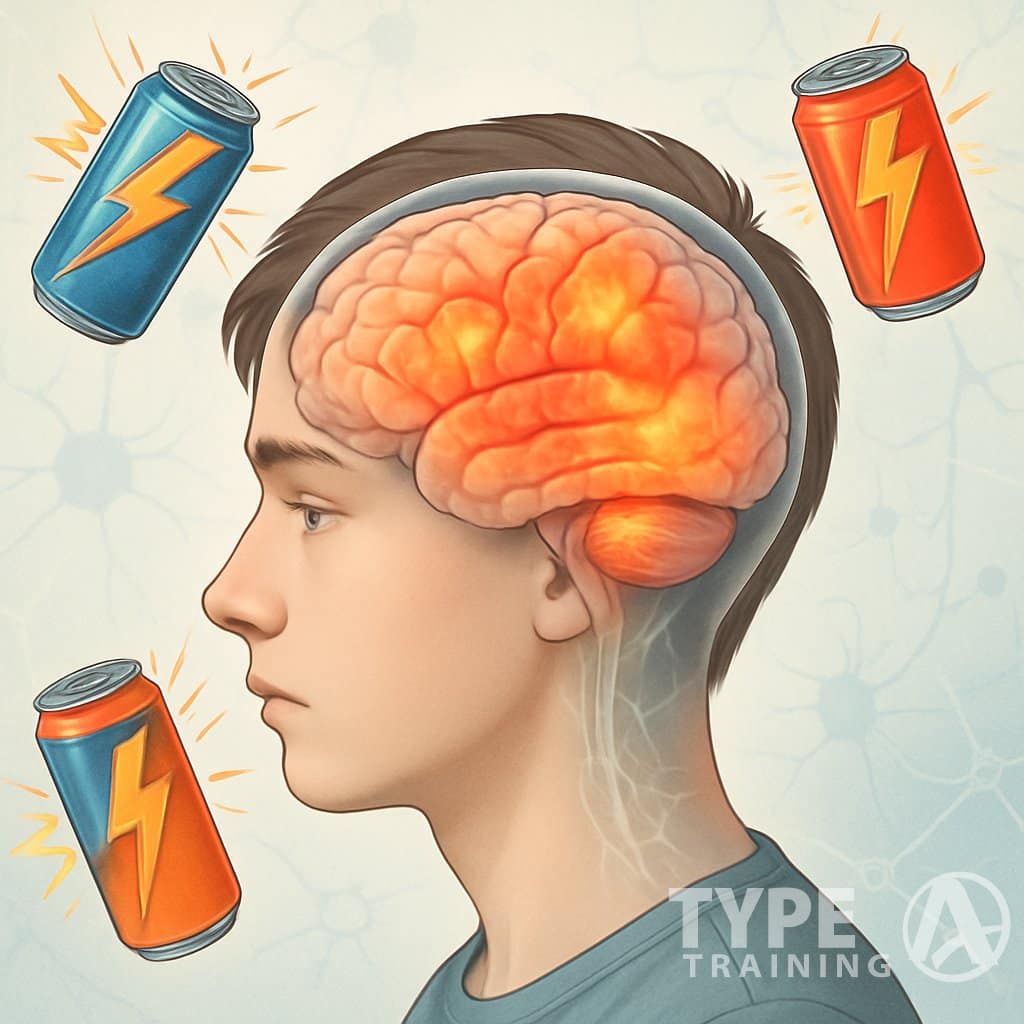
It’s essential to be aware of the teen energy drink effects, as they can lead to significant health risks.
Mixing energy drinks with alcohol? That’s a whole new level of risky. This combo can trick you into thinking you’re less drunk than you actually are, which makes it way easier to drink too much and end up with serious alcohol poisoning.
On top of that, teens who regularly reach for energy drinks tend to have more health problems and are more likely to get into other risky stuff, highlighting the teen energy drink effects on their overall well-being and health.
In summary, the teen energy drink effects can be alarming, as they not only affect physical health but also mental well-being.
Then there’s the sugar. One can often has almost double the daily sugar teens should have, which isn’t great for anyone’s metabolism—especially not during these growing years.
Key Takeaways
- The adolescent brain reacts strongly to caffeine and other energy drink ingredients, which can affect its development and function.
- Mixing energy drinks with alcohol is extra dangerous because it hides how intoxicated you really are.
- Drinking energy drinks regularly as a teen can set up bad habits and up the risk for heart and metabolic problems down the line, illustrating the adverse teen energy drink effects on their health.
Understanding Teen Energy Drink Effects on Health
Recognizing the teen energy drink effects is vital for parents and guardians to guide their adolescents towards healthier choices.
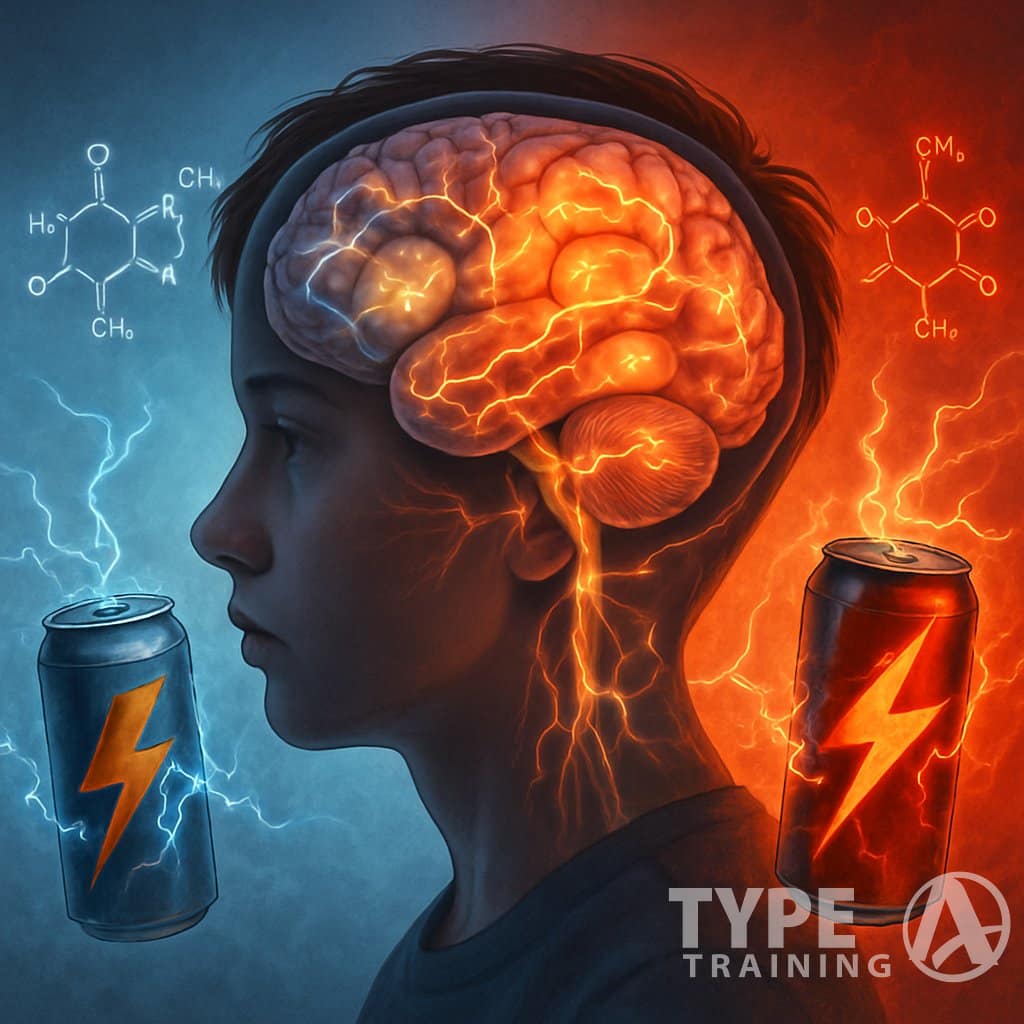
The teenage brain is in the middle of some wild changes. It’s a time when stimulants like caffeine can have a bigger impact than you might expect.
During these years, your brain’s reward and decision-making centers are still under construction. Neural pathways are getting tweaked and fine-tuned all the time.
Neurodevelopment During Adolescence
Research continues to explore the teen energy drink effects on cognitive functions, especially during this critical development phase.
Your brain isn’t done growing until your early 20s. This developmental stretch comes with big shifts in both brain structure and function.
Gray matter actually increases for a while, then starts to thin out as you get older. White matter, on the other hand, keeps growing steadily into adulthood.
By your mid-teens, the emotional centers are firing on all cylinders, but the frontal lobes—the part that helps you slow down and think things through—are still catching up. That’s why teens can be a little impulsive sometimes.
Even your brain’s electrical activity changes. You’ll see less of the slow stuff (delta and theta waves) and more alpha waves, which means your thinking is getting sharper.
Brain Regions Affected by Stimulants
The hippocampus is like your brain’s memory HQ, and it’s pretty sensitive during the teen years. Stimulants from energy drinks can throw off its normal development.
Your prefrontal cortex, which handles planning and self-control, keeps growing until your mid-20s. Caffeine and other stimulants can mess with neurotransmitters here, which isn’t ideal.
Those reward pathways? They’re super active in teens. Too much caffeine can tweak dopamine signaling, which may change how you handle rewards and risks.
GABA A receptors, which help keep brain activity balanced, are also changing a lot during adolescence. Stimulants can throw this balance off, possibly affecting your mood.
Popular posts:
Critical Windows and Synaptic Pruning
Adolescence is a prime time for brain development. Synaptic pruning happens now—your brain trims away unused connections to run more efficiently.
What you do and experience actually shapes which connections stick around. If you’re drinking energy drinks a lot, you could be changing this process in ways that aren’t so great for your future brain health.
Oligodendrocytes (they make myelin, which helps your brain send messages faster) are still maturing, too. Stimulants might slow down or mess with this process, which isn’t something you want.
It’s really a “use it or lose it” situation. The connections you use get stronger, and the rest fade away. That’s why it’s such a sensitive time for anything that changes how your brain works—like energy drinks.
Understanding the teen energy drink effects can help mitigate the long-term impacts on adolescent health.
Energy Drink Consumption Patterns in Adolescents
Let’s be honest, energy drinks are a big deal for teens right now. Usage patterns are all over the place, depending on age, gender, and where you live.
Prevalence and Trends
Awareness of the teen energy drink effects is crucial for fostering a healthy lifestyle among young people.
Nearly two-thirds of teens have tried energy drinks at least once, but most don’t drink them regularly. Only about 7.6% of teens grab one every week.
Most users have had energy drinks less than ten times in total. Older teens (15-17) are more likely to drink them than younger ones, and the energy drink market is booming—sales blew past $9 billion back in 2011.
Teens who drink these regularly are more likely to try other risky stuff, like substance use and drinking alcohol.
Motivations and Influencing Factors
Why do teens reach for energy drinks? Sometimes it’s about needing a boost for sports or studying, or just trying to stay awake after a late night.
Peer pressure is a big deal, too. During these years, you’re trying new things and figuring out who you are, so it’s easy to see why energy drinks might seem cool.
Not getting enough sleep? That’s another reason. With early mornings and late nights, it’s tempting to grab a can for a quick fix.
Top reasons teens go for energy drinks:
It’s important to comprehend the teen energy drink effects so that informed decisions can be made.
- Fighting off tiredness
- Boosting athletic performance
- Staying focused for schoolwork
- Peer and social influence
- Honestly, some just like the taste
Marketing and Accessibility
Energy drink ads are everywhere—social media, sports events, gaming streams. They use flashy colors and extreme sports vibes to draw teens in.
It’s easy to buy them, too. Convenience stores, supermarkets, vending machines—no age checks, no problem.
With the rise in consumption, understanding the teen energy drink effects has become more important than ever.
Companies keep coming out with new flavors, caffeine levels, and “performance” formulas. It’s not always clear what’s actually in these drinks, and the marketing can make them sound safer than they are.
They’re cheap, too. Smaller cans and deals make them affordable even if you’re on a tight budget, so teens can grab them without much thought.
Neurobiological Effects of Energy Drink Ingredients
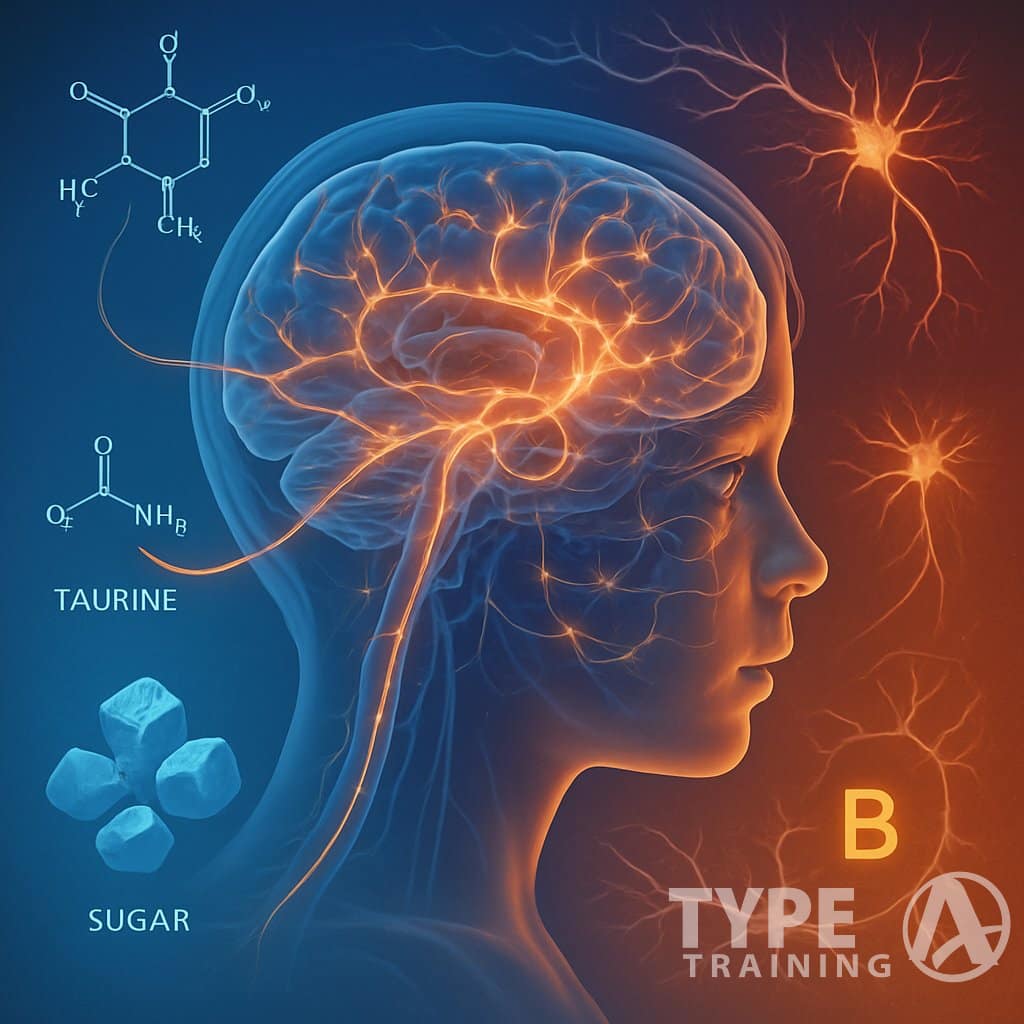
The complex interactions in the brain highlight the importance of understanding the teen energy drink effects.
Energy drinks are loaded with stuff that goes straight to your brain, especially when it’s still developing. The way these ingredients interact with your neural wiring can get complicated fast.
Caffeine and the Adolescent Brain
Caffeine is the main player here, and it works by blocking adenosine receptors in your brain. During your teen years, your brain is super sensitive to caffeine.
High-caffeine energy drinks can wreck your sleep patterns, which are crucial for growing brains. The prefrontal cortex—the part in charge of decision-making—can take a hit, too.
Regular caffeine use might mess with dopamine signaling, which changes how your brain feels about rewards. Studies show teens get more anxious from caffeine than adults do, partly because the blood-brain barrier isn’t as tough yet.
Taurine, Guarana, and Other Additives
Parents should educate themselves about the teen energy drink effects to better support their teens.
Taurine is another common ingredient. It helps with brain cell health and development, but too much can be a problem.
Guarana is basically a caffeine bomb—sometimes even stronger than coffee. If you’re drinking energy drinks with guarana, you’re probably getting more caffeine than you think.
Ginseng and B-vitamins show up a lot, too. They’re supposed to help with focus, but when you mix everything together, it’s tough to know exactly what’s going on in your brain.
Proprietary blends make it even harder to figure out what’s actually happening inside your head after you drink these.
Considering the teen energy drink effects is crucial when evaluating the safety of these products for younger consumers.
Impact on Neurotransmitters and Cognitive Function
Energy drinks crank up norepinephrine and dopamine, which can make you feel more alert and focused for a bit. You might notice:
- Better attention
- Faster reaction times
- Short-term memory boost
But there’s a catch. Regular use can make your brain less sensitive to caffeine, so you need more to get the same effect.
The potential teen energy drink effects serve as a reminder to prioritize natural sources of energy.
It’s easy to get stuck depending on these boosts, and that can mess with how your brain naturally develops and prunes its connections. Instead of growing based on real-life experiences, your brain starts to rely on artificial stimulation—and that’s not a great trade-off. Sleep and natural brain growth get pushed aside for a quick jolt, which might not be worth it in the long run.
Behavioral and Health Consequences
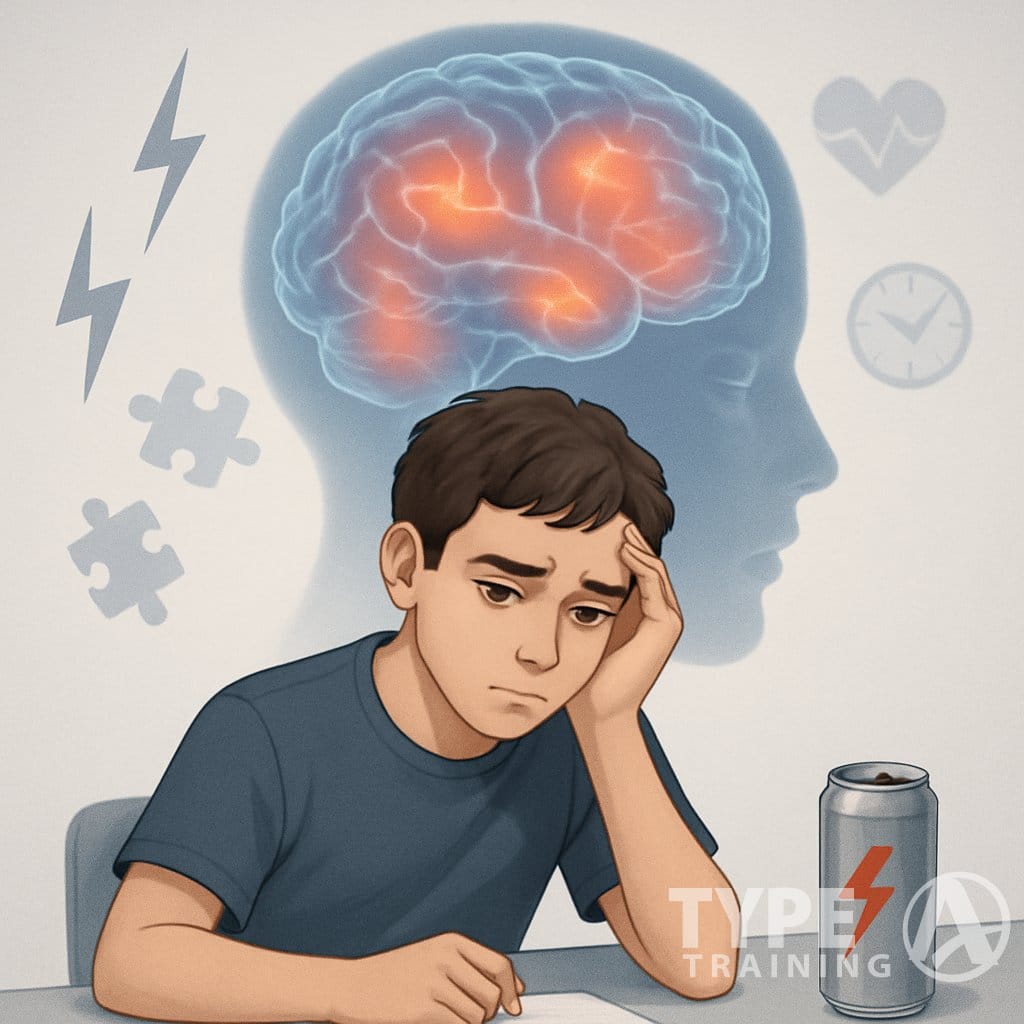
Energy drinks can mess with adolescent development in a bunch of troubling ways. They hit both your immediate physical health and your brain’s long-term growth.
Evaluating the teen energy drink effects can lead to healthier lifestyle choices among adolescents.
The high caffeine and other stimulants in these drinks? They pile on risk for young, developing brains.
Immediate Adverse Effects
Drinking energy drinks can lead to all sorts of health problems for teens. You might notice cardiac arrhythmias or other heart issues, and that’s pretty alarming if you’re still growing.
Sleep takes a hit, too. Lots of teens end up with insomnia or find themselves going to bed way later after downing these drinks.
If you’re already struggling with too much screen time, energy drinks can make your sleep even worse. It’s a recipe for feeling tired and cranky the next day.
About 28% of 12-14 year-olds and 31% of 12-17 year-olds regularly consume energy drinks. That’s a lot of kids rolling the dice with these side effects.
Overall, the teen energy drink effects can have lasting implications on health and wellness.
Physical symptoms can pop up, including:
-
- Headaches
- Jitteriness or tremors
- Stomach upset
Potential teen energy drink effects are an important topic of discussion in health education.
- Increased heart rate
- Elevated
blood pressure
Cognitive and Emotional Changes
Your brain’s still growing through your teen years, so it’s extra sensitive to stuff like caffeine. Energy drinks can mess with things like decision-making and impulse control.
Anxiety often ramps up after drinking these, and if you’re already dealing with mental health struggles, it just piles on.
Researchers have linked energy drink use to high-risk behaviors in teens. Your attention and reaction time might get a boost at first, but those “crashes” that follow can really mess with learning and memory.
Raising awareness about the teen energy drink effects can empower teens to make better choices.
If you have ADHD, these drinks can even mess with your meds and make hyperactivity or impulsivity worse. The caffeine just throws off the parts of your brain that are still figuring out how to manage behavior.
Long-Term Developmental and Public Health Implications
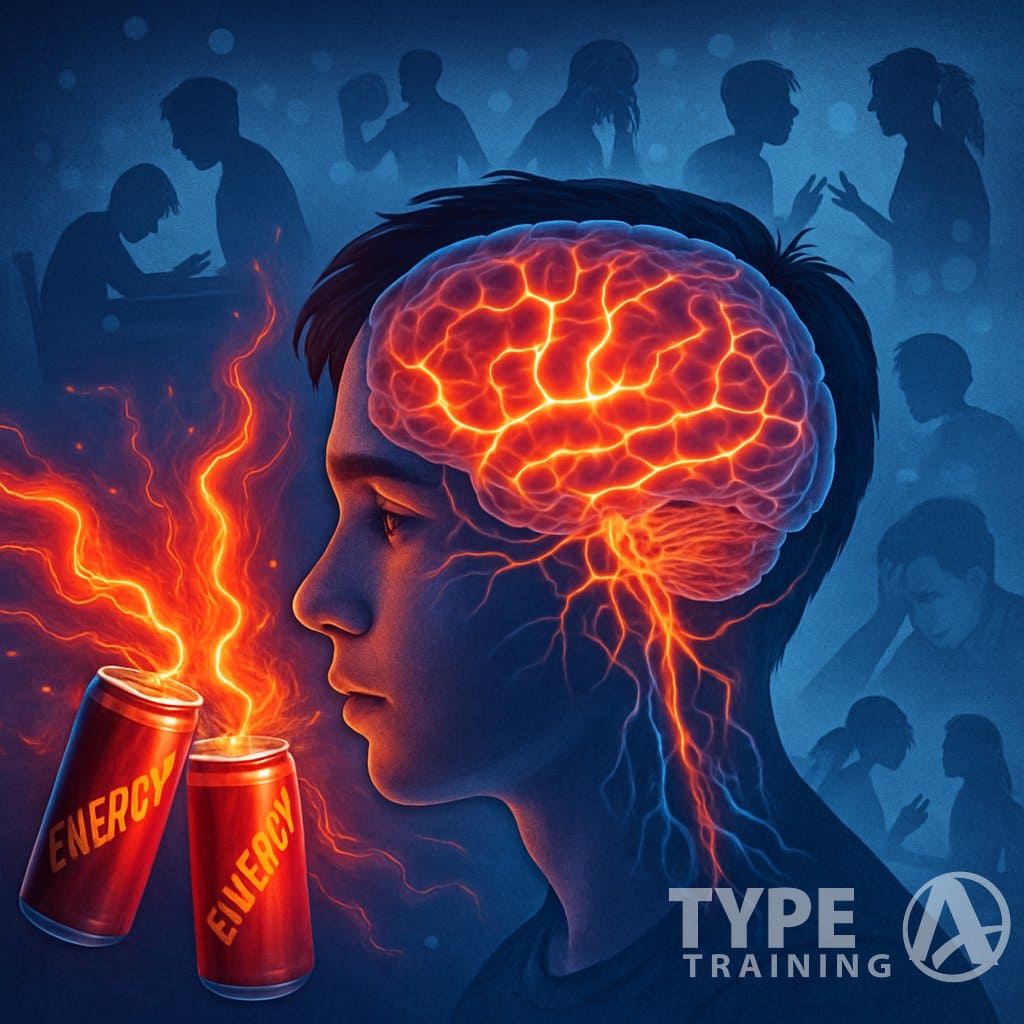
Downing energy drinks as a teen isn’t just about the short-term buzz. Over time, the risks to your brain and overall health can really add up.
Chronic Consumption and Addiction Risk
Keep drinking these regularly and you might find yourself stuck in addiction-like patterns. The developing brain is just more likely to get hooked on caffeine and other stimulants.
Considering the teen energy drink effects can help in understanding broader health trends among youth.
Adolescents who make energy drinks a habit face higher risks of:
- Dependency issues—needing more for the same buzz
- Sleep disturbances that mess with brain development
- Disrupted insulin response (hello, diabetes risk)
- Eating disorders from appetite suppression and metabolism changes
The adolescent brain is going through a ton of changes. Stimulants just make things more complicated, and the effects might not show up until way later.
Ultimately, the teen energy drink effects should motivate discussions around safe consumption practices.
Interaction With Other Substances
Let’s be real: teens often mix energy drinks with other stuff, and that can get dangerous fast. Mixing them with alcohol, for example, can make you feel less drunk than you actually are.
This combo is linked to:
-
- More binge drinking because you don’t feel as intoxicated
- Riskier choices like dangerous driving
- Higher odds of developing alcohol issues
Awareness about the teen energy drink effects can lead to more informed choices among adolescents.
- Extra toxicity for your developing brain
Public health experts have seen more pediatric cases tied to energy drinks, sometimes with other substances involved. Caffeine can also mess with how your body handles meds or other drugs.
The harmful consequences don’t just stop at the physical stuff. They can affect your brain and mental health for years down the line.
Cardiovascular and Metabolic Concerns Specific to Adolescents
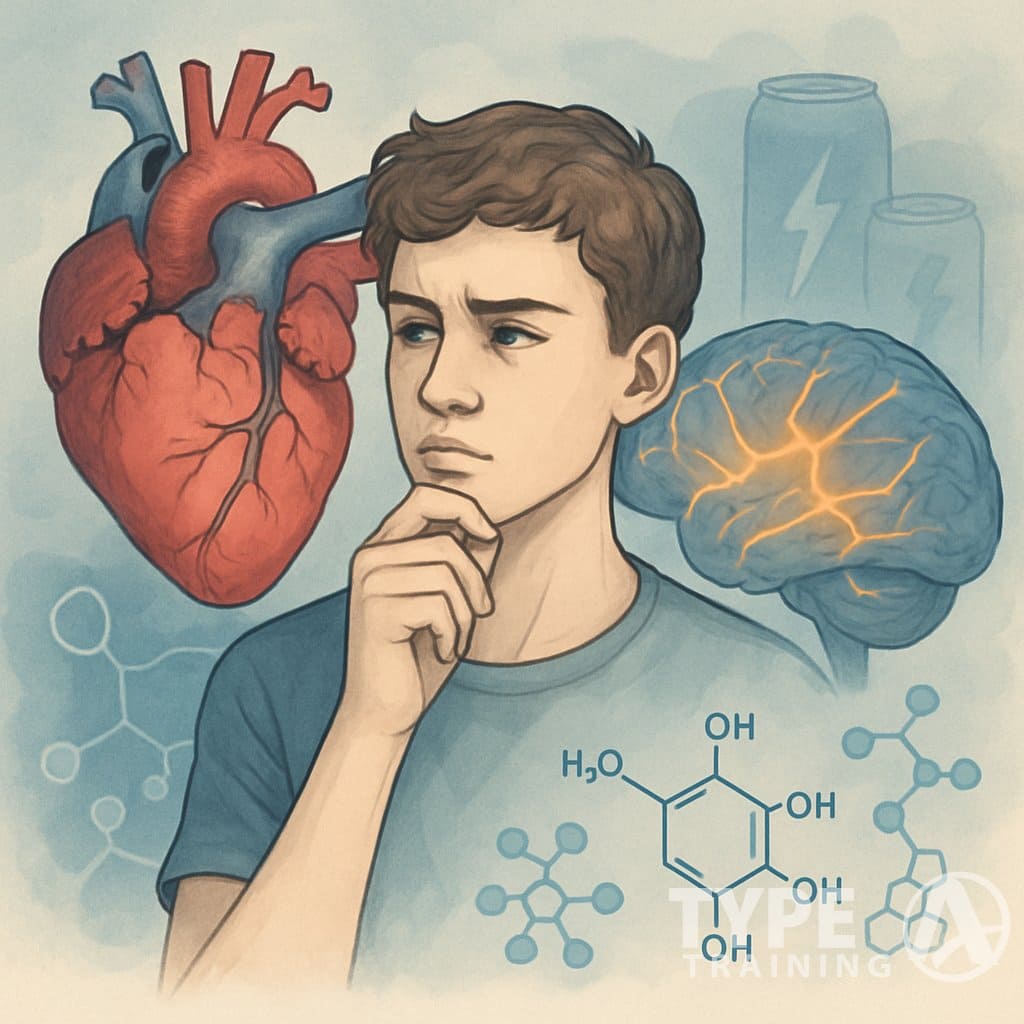
Energy drinks bring a unique set of risks for teens, especially for the heart and metabolism. The mix of high caffeine and sugar just isn’t great for bodies that are still growing.
An understanding of the teen energy drink effects is essential for promoting better health practices.
Cardiovascular System and Blood Pressure
Energy drinks can spike your
Studies suggest adolescents are more at risk because their hearts and blood vessels are still developing. Even just one energy drink can trigger abnormal heart rhythms like tachycardia.
Caffeine levels in these drinks can be three times higher than coffee. That ups your chances of:
-
- High
blood pressure - Irregular heartbeats
- High
Being aware of the teen energy drink effects can significantly impact adolescent health outcomes.
- Heart palpitations
- Potential long-term heart damage
There have even been serious outcomes, including rare deaths, reported after teens drank energy drinks. If you’ve got an undiagnosed heart issue, your risk jumps even higher.
Metabolic Effects and Sugar Content
The sugar in energy drinks is a whole other problem. One can might have 31 grams of sugar—that’s a lot for anyone, let alone a teenager.
Your metabolism is still figuring itself out, and dumping all that sugar and caffeine on top makes it work overtime. It’s not a great combo.
As consumers, understanding the teen energy drink effects helps in navigating marketing ploys surrounding these products.
Drink these often enough and you could face:
- Insulin resistance
- Weight gain
- Higher risk of type 2 diabetes
- Metabolic syndrome
Energy drinks also toss in things like taurine and guarana, which might affect metabolism in ways we don’t fully understand yet—especially for teens. Your body’s natural energy system can get thrown off if you make these drinks a habit.
Knowledge of the teen energy drink effects can assist in fostering healthier habits for future generations.
All that sugar adds extra calories, which can lead to obesity at a time when healthy eating habits are still forming. It’s a lot for any teen’s body to handle.
Energy Drinks and Sports Performance
Energy drinks promise all sorts of athletic superpowers, but honestly, they might just make things worse. They can even put extra strain on your heart when you exercise.
Caffeine in these drinks does offer some ergogenic properties—yeah, it can give you a little boost. But those so-called benefits come with risks, especially if you’re still growing.
Caffeine can dehydrate you, which is never great during sports. That’s something a lot of people overlook, but it matters.
Exercise already cranks up your heart rate and
Understanding the teen energy drink effects is crucial as they relate to both physical and cognitive development.
. When you toss energy drinks into the mix, things can get dicey.
- Your cardiovascular system might get pushed a little too hard
- Overheating and dehydration become way more likely
- You might not notice when you’re actually tired
- Your heart rhythm could go off the rails during tough workouts
Plenty of coaches and sports organizations warn against energy drinks before or during games, especially for teens. If you want to perform your best, focus on good hydration, solid nutrition, and consistent training—not quick fixes or stimulants.