TL;DR
Jet lag disrupts your internal clock when crossing multiple time zones, causing fatigue, insomnia, and irritability. Start adjusting your sleep schedule 3-4 days before travel by shifting bedtime 30-60 minutes daily toward your destination’s time zone. Use strategic light exposure (morning light when traveling east, evening light when going west), take 0.5-5mg melatonin 30 minutes before your target bedtime, stay hydrated, avoid alcohol and caffeine on flights, and immediately adopt your destination’s meal and sleep schedule upon arrival. Your body needs approximately one day to adjust per time zone crossed.
Key Takeaways
- Pre-adjust your schedule: Begin shifting your sleep time 30-60 minutes per day, 3-4 days before departure, moving toward your destination’s time zone to minimize jet lag impact upon arrival
- Strategic light exposure is your best tool: Use morning sunlight when traveling east (to wake earlier) and evening light when going west (to stay up later)—light therapy boxes work when natural sunlight isn’t available
- Melatonin timing matters: Take 0.5-5mg of melatonin 30 minutes before your target bedtime at your destination, not randomly—consult a healthcare provider for personalized dosing recommendations
- Hydration trumps coffee: Drink water consistently throughout your flight while avoiding alcohol and caffeine, which dehydrate you and disrupt sleep quality during and after travel
- Adopt local time immediately: Upon arrival, eat meals, exercise, and sleep according to local time—resist long naps during daylight hours (limit to 20-30 minutes if absolutely necessary)
- Sleep environment optimization works everywhere: Use noise-canceling headphones, eye masks, comfortable neck pillows, and earplugs to create sleep-conducive conditions on planes and in unfamiliar hotel rooms
- Recovery rule of thumb: Expect your body to need approximately one full day to adjust per time zone crossed—eastward travel typically causes more severe jet lag than westward travel
Traveling across time zones can significantly disrupt your sleep schedule, leading to the common issue known as jet lag. This temporary sleep time zone changes disorder occurs because your internal clock struggles to adjust to the new local time, resulting in fatigue, insomnia, irritability, and other symptoms that can affect your well-being.
Popular posts:
To minimize jet lag, synchronize your exposure to light, meal times, and activities with the new time zone even before you travel. By preparing your body for the sleep time zone changes, you can reduce the impact of jet lag and adjust more quickly to your new location.

Maintaining a steady circadian rhythm during long-distance travel can be challenging but is crucial for recovery and overall wellness.
Various strategies can greatly aid in this process. These include adjusting your sleep schedule days in advance, using melatonin supplements, managing light exposure, and timing your meals. Hydration and brief exercises might also improve your adaptation.
Understanding and applying these methods empowers you to navigate the challenges of time zone changes with greater ease. With this knowledge, not only do you enhance your travel experience, but you also promote better health and productivity upon arrival at your destination.
Understanding Jet Lag and Circadian Rhythms

Jet lag results from disruptions in your circadian rhythms due to rapid long-distance travel across multiple time zones. Understanding how your internal clock functions and what causes jet lag is crucial for easing its symptoms.
The Science of Circadian Rhythms
Circadian rhythms are 24-hour cycles in your body that regulate sleep, wakefulness, and other physiological processes.
Controlled by your internal clock, these rhythms respond primarily to light and darkness, ensuring your body aligns with the day-night cycle.
When you travel, your internal clock can be misaligned with the local time, especially when crossing multiple time zones. This misalignment is what causes the sensation of jet lag, prompting your body to feel awake or sleepy at inappropriate times.
Symptoms and Causes of Jet Lag
Jet lag is identified by a variety of symptoms resulting from the disruption of your internal clock. Common signs include fatigue, insomnia, irritability, and headaches. Digestive issues and mood disturbances may also occur during protracted adjustments.
The primary cause of jet lag is the time zone difference affecting your circadian rhythms. This disruption typically takes about one to one and a half days to adjust per time zone crossed. Understanding these symptoms can help you prepare and take steps to mitigate their impact during your travels.
| Symptom | Description |
|---|---|
| Fatigue | Persistent tiredness, despite rest |
| Insomnia | Difficulty falling or staying asleep |
| Irritability | Increased feelings of frustration or mood changes |
| Headaches | Persistent or sporadic head pain |
| Digestive Issues | Problems with digestion due to irregular meal times |
Preparing for Time Zone Changes Before Travel

Managing your sleep schedule and maintaining good sleep hygiene can minimize the disruptive effects of long-distance travel. These practices can help align your body’s internal clock, facilitating a smoother transition to your destination’s time zone.
Adjusting Your Sleep Schedule
Begin adjusting your sleep schedule gradually. Shift your bedtime by 30 minutes to an hour each day. This allows your body to slowly adapt to the new time zone.
Key Tip: If traveling east, start sleeping earlier; for westward travel, aim for a later bedtime.
A mock schedule might look like this:
| Days Before Travel | Bedtime Change |
|---|---|
| 4 | 30 min earlier |
| 3 | 1 hour earlier |
| 2 | 1.5 hours earlier |
| 1 | 2 hours earlier |
Exposing yourself to light at appropriate times can also aid in the adjustment. Bright light exposure helps shift your circadian rhythm, synchronizing it with the target location.
Sleep Hygiene and Pre-Travel Habits
Maintaining solid sleep hygiene is critical in preparing for travel.
Keep your sleeping environment cool, dark, and quiet. Develop consistent pre-sleep routines, such as reading or taking a warm bath, to signal your body that it’s time to wind down.
Avoid caffeine and alcohol close to bedtime, as these can disrupt sleep quality.
Staying hydrated is essential, so drink plenty of water in the days leading up to your travel.
Prioritize quality sleep in the nights before departure. Tiredness can exacerbate jet lag, making it harder to adjust once you arrive at your destination.
On-Board Strategies to Minimize Jet Lag

Long flights can disrupt your circadian rhythm, leading to jet lag, but specific on-board strategies can help minimize these effects. Focus on managing your sleep and being mindful of what you eat and drink to ease the transition between time zones.
Managing Sleep on an Overnight Flight
To maximize rest on an overnight flight, prepare to sleep by setting an alarm that matches your destination’s time zone.
Noise-canceling headphones or earplugs can minimize disruptions. If possible, choose a window seat, allowing you to control the light exposure better.
Consider an eye mask to block out cabin lights.
For those who are comfortable with it, melatonin supplements might help regulate your sleep cycle. Consult a healthcare provider before using melatonin to ensure it suits you.
Diet and Hydration Tips
Your diet and hydration level can significantly impact how you feel during and after a flight.
Avoid caffeine and alcohol as they can interfere with your sleep patterns and contribute to dehydration. Stick to water and herbal teas to stay hydrated.
Opt for light and nutritious meals. Overeating or consuming heavy meals may lead to discomfort.
Keeping your body well-nourished with fruits and vegetables can also enhance your immune response during travel.
| Tip | Impact |
|---|---|
| Melatonin | Helps regulate sleep cycles |
| Hydration | Avoids dehydration and fatigue |
| Light Meals | Prevents discomfort and aids digestion |
Methods for Adjusting to a New Time Zone
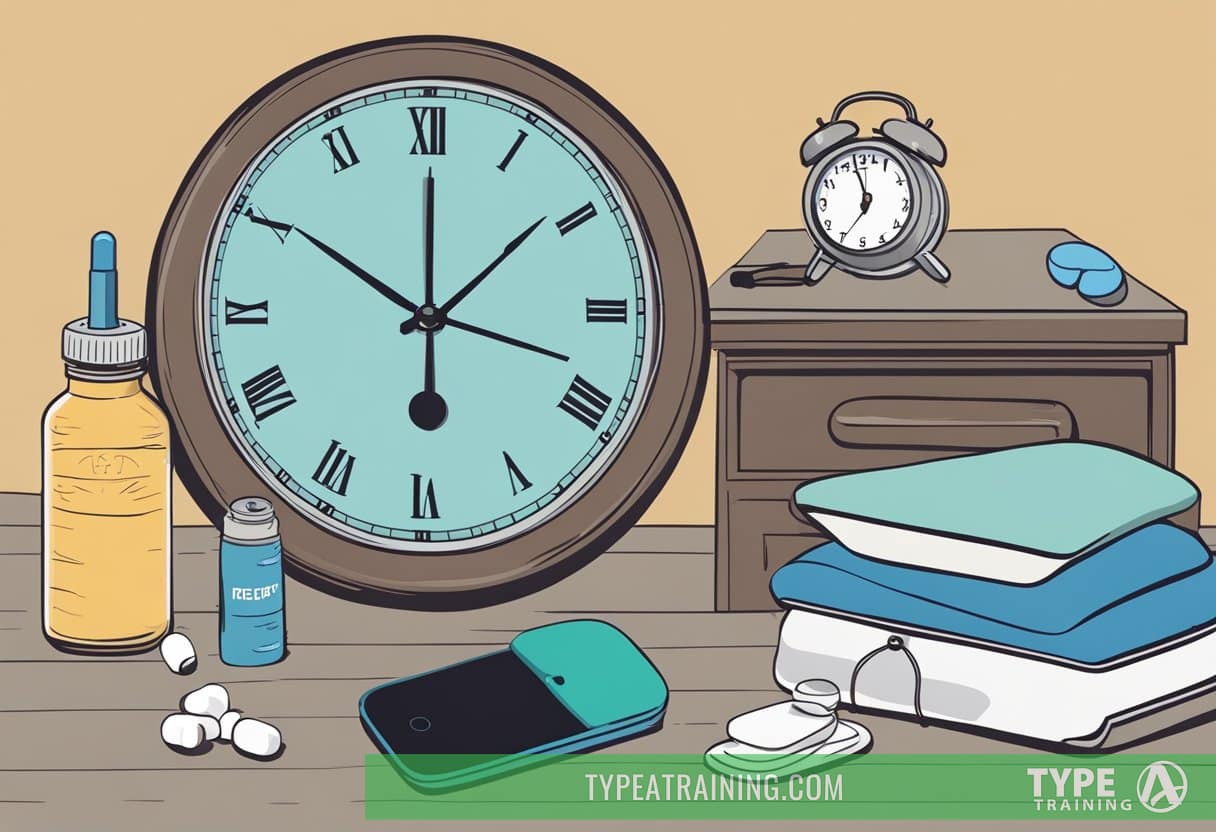
When adjusting to a new time zone, properly managing light exposure and sleep timing is crucial. Additionally, the use of melatonin supplements and other sleep aids can assist in aligning your circadian rhythm to the local time.
Light Exposure and Sleep Timing
Exposure to light is a powerful signal to your body’s internal clock.
Sunlight, in particular, plays a significant role in adjusting your sleep schedule. To adapt to a new time zone effectively, plan your exposure to light strategically.
For example, if you travel east, try to get exposure to morning light to help you wake up earlier. Conversely, if you’re traveling west, evening light exposure can aid in falling asleep later.
Light therapy could be beneficial, especially during cloudy days or when natural sunlight is unavailable. By sitting near a light box for a specified time, you can simulate the effects of sunlight, helping to adjust your body’s clock more effectively.
Use of Melatonin and Sleep Aids
Melatonin supplements are a popular choice for adjusting to new time zones. These over-the-counter pills can help realign your sleep cycle with the local time more naturally and gently than stronger medications.
Taking melatonin is most effective when timed correctly. For instance, a 5 mg dose can be taken in the morning to set your internal clock to wake up later or in the evening to encourage earlier sleep.
If you’re considering other sleep aids or medication, consult with a healthcare professional to ensure they’re appropriate for your situation. Their expertise will be invaluable in selecting the right aid, dosage, and timing for your needs.
Recovering from Travel Fatigue Post Arrival
Adapting to new time zones and overcoming travel fatigue involves setting a structured routine and understanding when to seek medical assistance. Adjusting your schedule and lifestyle to the local time can significantly ease the transition and mitigate fatigue.
Setting a Routine After Landing
Upon arrival, align your activities with the local time to help your body adjust faster to the new environment. If you arrive during the day, resist the urge to nap immediately for long periods. Short naps of 20-30 minutes can be beneficial without disrupting yet-to-form sleep patterns.
Expose yourself to bright light during the morning hours as this helps regulate your internal clock. Eating meals according to local time, with a nutritious breakfast, supports your body’s adaptation. Staying hydrated is crucial; water aids in combating fatigue and helps maintain energy levels.
A simple daily schedule might look like:
| Activity | Local Time |
|---|---|
| Wakeup & Bright Light | 7:00 AM |
| Breakfast | 8:00 AM |
| Short Nap (if needed) | Early Afternoon |
Sticking strictly to this routine can significantly buffer you from the effects of changed time zones.
When to Seek Medical Advice
If fatigue and sleep disruption continue beyond a week, consulting a healthcare professional may be necessary. Sleep disorders related to time zone changes, such as circadian rhythm disruptions, might require intervention from a sleep medicine specialist.
Symptoms like persistent insomnia, extreme fatigue, or irritability shouldn’t be ignored. Sleep aids prescribed by professionals can provide temporary relief. Rule out any underlying conditions by seeking professional evaluation to avoid prolonged disruptions in daily life.
Seeing a doctor ensures appropriate measures are taken to restore your natural sleep cycle effectively.
Lifestyle Tips for Frequent Travelers

Adapting your lifestyle is crucial for maintaining good sleep health when frequently crossing time zones. By leveraging technology and creating consistent habits, you can minimize the adverse effects of long-distance travel on your sleep.
Harnessing Technology for Sleep Optimization
Utilizing technology can significantly enhance your sleep quality. Smartphone apps can track sleep patterns and suggest optimal nap times to help realign your body clock.
Many apps provide personalized recommendations, useful for all ages, to combat difficulties falling asleep and alleviate daytime sleepiness.
Apps and Tools:
| Tool | Feature |
|---|---|
| Smartphone sleep apps | Track sleep, suggest nap times |
| Light exposure apps | Align body clock with destination |
| White noise generators | Mask background sounds for better sleep |
These technological aids can help reduce irritability linked to disturbed sleep. Smart use of these tools, combined with mindful habits, goes a long way in overcoming jet lag and its associated symptoms, such as muscle soreness and digestive problems.
Long-Term Strategies to Improve Sleep Health
For better sleep on the road, long-term habits matter. Consistent sleep schedules aid in setting your internal body clock, making repeated travel less taxing.
Avoiding sleeping pills unless prescribed can prevent dependency and further complicate sleep disorders.
Establish a routine incorporating short naps to combat extreme drowsiness without causing grogginess. This technique is particularly effective as it eliminates irritability and supports healthy sleep cycles in the long run.
Paying attention to meal timings based on your destination can enhance wakefulness and digestion. These two factors influence sleep quality and daytime alertness.
How long does it take to recover from jet lag?
The general rule is that your body needs approximately one to one and a half days to adjust per time zone crossed. For example, if you travel from New York to London (5 time zones), expect 5-7 days for full recovery.
Eastward travel typically causes more severe jet lag than westward travel because it’s easier for your body to stay up later than to fall asleep earlier. This is why flying from Los Angeles to New York (3 hours earlier) is generally easier than the reverse journey.
Factors affecting recovery time include age (older adults often take longer), individual circadian rhythm flexibility, overall health, sleep quality before travel, and how well you implement adjustment strategies like light exposure and melatonin timing upon arrival.
What is the best time to take melatonin for jet lag?
Take melatonin 30 minutes before your target bedtime at your destination, not based on your home time zone. For eastward travel, take it in the evening at the new location to help you fall asleep earlier.
For westward travel, melatonin is less effective but can be taken in small morning doses (0.5mg) to help delay your sleep phase. Typical doses range from 0.5-5mg, with most people responding well to 1-3mg.
Start with the lowest effective dose and consult a healthcare provider before use, especially if you take other medications. Melatonin is most effective when combined with proper light exposure and immediately adopting local meal times.
Should I nap when I arrive at my destination?
Short “power naps” of 20-30 minutes are acceptable if absolutely necessary, but avoid long naps that will disrupt your adjustment to the new time zone. If you arrive in the morning or afternoon, resist the urge to sleep for several hours.
Long naps will anchor your body to your home time zone and prolong jet lag. Instead, stay active, get outdoor light exposure, and push through until a reasonable local bedtime (ideally not before 9-10 PM local time).
If you’re utterly exhausted and safety is a concern, limit your nap to 30 minutes maximum and set multiple alarms. The discomfort of staying awake on arrival day pays dividends in faster adjustment.
Does drinking water really help prevent jet lag?
While hydration doesn’t directly reset your circadian rhythm, staying well-hydrated significantly reduces jet lag symptoms like fatigue, headaches, and cognitive impairment. Airplane cabin air has extremely low humidity (typically 10-20%), which causes rapid dehydration.
Aim to drink 8 ounces of water per hour during flight and avoid alcohol and excessive caffeine, both of which are diuretics that worsen dehydration. Dehydration exacerbates feelings of exhaustion and makes it harder to fall asleep at appropriate times.
Bring an empty water bottle through security and fill it after checkpoint, or request water frequently from flight attendants. Proper hydration also helps your body adapt to new schedules and reduces inflammation from prolonged sitting.
How does light exposure help with jet lag?
Light is the most powerful signal for your circadian rhythm—it tells your brain when to be awake and when to produce sleep hormones like melatonin. When traveling east, seek bright morning light (7-10 AM local time) and avoid evening light, which helps shift your clock earlier.
When traveling west, get bright evening light exposure and avoid early morning light to help delay your sleep phase. Natural sunlight is most effective, providing 10,000+ lux of brightness compared to typical indoor lighting at 300-500 lux.
If natural sunlight isn’t available due to weather or travel timing, light therapy boxes (10,000 lux) can simulate the same effects. Spend 20-30 minutes in front of a light box at the appropriate time based on your travel direction to accelerate circadian rhythm adjustment.
Can I prevent jet lag completely with preparation?
While you cannot eliminate jet lag entirely, proper preparation can reduce its severity by 50% or more and significantly shorten recovery time. Starting to adjust your sleep schedule 3-4 days before departure gives your body a head start on adaptation.
The most successful travelers combine multiple strategies: gradual sleep schedule shifts, strategic light exposure, melatonin supplementation, immediate adoption of destination meal times, and staying active upon arrival. For trips crossing 1-2 time zones, pre-adjustment can virtually eliminate jet lag symptoms.
For longer journeys crossing 5+ time zones, you’ll still experience some adjustment period, but preparation can reduce a week-long recovery to just 2-3 days. Individual factors like age, chronotype (whether you’re naturally a morning or evening person), and overall health also influence how well you adapt.
When should I seek medical advice for jet lag symptoms?
If fatigue and sleep disruption continue beyond one week after arrival, or if symptoms significantly worsen instead of gradually improving, consult a healthcare professional. Persistent insomnia, extreme fatigue, or severe mood disturbances shouldn’t be ignored.
Sleep disorders related to time zone changes, such as circadian rhythm disruptions, might require intervention from a sleep medicine specialist. If you’re a frequent traveler experiencing chronic sleep problems, underlying conditions may need professional evaluation.
Additionally, if you have existing health conditions (cardiovascular disease, diabetes, mental health disorders), consult your doctor before long-distance travel. They can provide personalized strategies and may prescribe short-term sleep aids if appropriate. Never rely on over-the-counter sleep medications without medical guidance, especially for regular use.