How Often Should You Train With a Personal Trainer: Optimal Frequency for Results
TL;DR
The ideal frequency for personal training depends on your fitness level, goals, and budget. Beginners should aim for 2-3 sessions per week to learn proper form and build consistency, while intermediate exercisers can reduce to 1-2 sessions weekly. Advanced athletes may only need weekly check-ins, but always balance workout intensity with adequate rest and recovery to prevent injury and maximize results.
Deciding how often you should train with a personal trainer depends on various factors like your fitness goals, budget, and workout experience. Working with a personal trainer has undeniable benefits, and understanding their role will help you determine the ideal frequency of your training sessions.
For beginners, it is essential to establish a consistent workout routine and master the basics of training. It is generally recommended for them to train with a personal trainer twice a week. This allows you to learn new exercises and techniques and perfect your form to prevent injuries. As your fitness level progresses, you may adjust your session frequency to further align with your individual fitness goals and budget.
Key Takeaways
- Beginners benefit most from 2-3 sessions per week: This frequency allows you to master proper form, learn new exercises, and establish consistent workout habits with professional guidance.
- Training frequency should match your fitness level: Intermediate exercisers can reduce to 1-2 weekly sessions, while advanced athletes may only need once-weekly check-ins to maintain progress and accountability.
- Rest and recovery are non-negotiable: Allow 24-48 hours between sessions targeting the same muscle groups to prevent injury, promote muscle growth, and optimize performance gains.
- Budget considerations matter: If cost is a concern, even one session per week can provide accountability and form corrections—supplement with independent workouts using the routines your trainer creates.
- Personal trainers do more than count reps: They assess your fitness level, design customized workout plans, teach proper technique, provide motivation, and adjust programming as you progress.
- Your goals determine optimal frequency: Strength building, weight loss, muscle gain, and general fitness each have different training demands that your personal trainer can structure appropriately.
- Consistency beats intensity: Regular sessions with adequate recovery produce better long-term results than sporadic intense training that leads to burnout or injury.
Understanding the Role of a Personal Trainer

A personal trainer plays a crucial role in helping you achieve your fitness goals. They assess your current fitness level and tailor a workout plan to suit your needs. This individualized approach ensures that the exercises are both challenging and effective in achieving the desired outcome.
An essential aspect of working with a personal trainer is learning proper form and technique. This enables you to perform exercises correctly, reducing the risk of injury and ensuring maximum benefit from each movement. Additionally, mastering these skills boosts your confidence and independence in the gym.
Personal trainers also offer motivation and support throughout your fitness journey. They provide encouragement, guidance, and are dedicated to helping you overcome challenges. This motivational aspect can make the difference between sticking to your fitness plan and giving up too soon.
Here are some key points to consider:
- A personal trainer works with you to set realistic goals based on your fitness level, ensuring that you make steady progress.
- Their expertise allows them to identify areas of improvement, from specific muscle weaknesses to new challenges.
- Personal trainers can adjust your workouts over time to keep your body guessing and prevent plateaus.
- They provide support and advice on various aspects of fitness, including nutrition and lifestyle changes, for a comprehensive approach to health and well-being.
Assessing Your Personal Fitness Goals

To determine how often you should train with a personal trainer, it is essential to assess your personal fitness goals. Start by identifying what you want to achieve, whether it is increasing strength, losing weight, building muscle mass, or improving overall health.
For strength-focused goals, target specific muscle groups or aim for overall body strength. List the exercises that address these muscles and gradually increase the intensity as you progress. Training with a personal trainer 2-3 times a week is recommended for beginners and can be adjusted based on individual needs and recovery time.
If your goal is to lose weight, a combination of cardio and resistance training is crucial. With a personal trainer, establish a workout plan that incorporates both elements to maximize fat loss while maintaining muscle mass. It is recommended to train with a personal trainer 2-4 times a week for the first six weeks if you are a beginner or returning after a long time.
Building muscle mass involves focusing on specific muscle groups and progressively overloading them to stimulate growth. A personal trainer can guide you on proper exercise technique, optimal workout frequency, and nutrition. For faster progress, train with a personal trainer two times a week, ensuring you provide your body with enough recovery time.
Lastly, for overall health improvement, consider working on aspects like flexibility, balance, and cardiovascular endurance. This is where a personal trainer can create a well-rounded fitness program tailored to your specific needs.
Remember, your personal fitness goals determine how often you should train with a personal trainer. Regular sessions will ensure steady progress and proper guidance for optimal results. As you gain experience and confidence in your workouts, your training frequency can be adjusted to fit your evolving fitness journey.
Determining the Suitable Frequency of Training
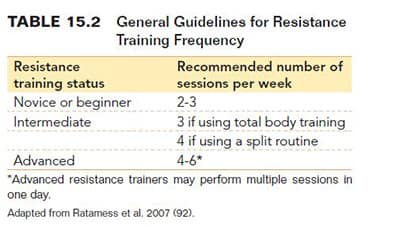
image credit: nsca.com/education
The optimal frequency of working out with a personal trainer depends on your goals, fitness level, and lifestyle. The general guideline for beginners is to train with a personal trainer twice a week, to ensure steady physical progress and an optimal learning pace1. As you become more advanced, you may adjust your training frequency to suit your specific needs.
To create a consistent gym schedule, consider factors such as your current exercise experience, available time, and desired outcomes. If you lead a mostly sedentary lifestyle, incorporating regular workout sessions with a personal trainer may help kick-start your fitness journey and boost motivation.
Beginners: If you are new to exercising, begin with 2 sessions per week with a personal trainer. This allows you to gain familiarity with different exercises, receive guidance on proper form, and build foundational strength and endurance.
Intermediate: Once you are comfortable with basic exercise techniques and have established a consistent routine, you can increase training frequency to 3-4 sessions per week. This offers balance between challenge and recovery, contributing to long-term, sustainable results.
Advanced: Highly experienced exercisers may benefit from more frequent training sessions, depending on their goals. For instance, if you aim to improve performance in a specific sport or discipline, you might train up to 5-6 times per week under the guidance of a personal trainer.
Keep in mind that regardless of your training frequency, it is crucial to allow sufficient recovery time between workouts. A general rule is to allow at least one day, but no more than three days between sessions that stress the same muscle group2. This helps prevent injury and promotes optimal muscle growth and repair.
In conclusion, determining the suitable training frequency with a personal trainer depends on your individual needs, goals, and fitness level. Establishing a consistent workout routine will help you progress and maintain an active, healthy lifestyle.
Footnotes
Building Efficient Workout Routines

As you start your journey with a personal trainer, it’s crucial to establish efficient workout routines. To do this, you’ll need to focus on various elements of exercise, such as workouts, techniques, and targeting major muscle groups.
Incorporating a variety of exercises in your workouts will ensure that you’re hitting all the essential muscle groups. A mix of full-body workouts, pulling movements, and targeted exercises for specific muscles will help you achieve a well-rounded and balanced routine. To make the most of your time with a personal trainer, it’s beneficial to meet two to three times a week for beginners to maximize progress and establish a solid foundation.
When building your workout routines, it’s essential to include both cardiovascular exercises like running and cycling, as well as strength training to develop physical endurance and muscle mass. Feel free to use this table to get a quick overview of the key aspects and benefits of each type of exercise:
| Type of Exercise | Key Aspects | Benefits |
|---|---|---|
| Cardio | Running, Cycling | Stamina, Heart Health, Fat Loss |
| Strength Training | Full-body workouts, Pulling movements | Muscle Growth, Joint Stability, Bone Density |
One crucial aspect of training is developing proper form and technique. Your personal trainer will teach you the right way to perform exercises, ensuring that you are engaging the correct muscles and not straining other parts of your body. This attention to detail will help prevent injuries and maximize the effectiveness of your workouts.
Remember to always prioritize quality over quantity in your workout routines. Focusing on your form and performing a lower number of well-executed repetitions is far more beneficial than trying to push through an excessive number of reps with poor technique.
By carefully planning your workout routines, maintaining consistency in your exercise schedule, and working closely with your personal trainer, you will be well on your way to achieving your fitness goals.
Importance of Rest and Recovery
When you incorporate personal training into your fitness routine, it’s crucial to understand the importance of rest and recovery. Regular exercise, particularly with a personal trainer, can lead to significant improvements in your strength, endurance, and overall well-being. However, without proper rest and recovery, your progress may be hindered.
Your muscles need time to recover after intense workouts. During the recovery phase, your body repairs damaged muscle tissue and replenishes energy stores, or muscle glycogen. This process is essential for muscle growth and prevention of injuries.
In order to optimize your rest, consider the following factors:
- Frequency of training sessions: You should maintain a balance between working out and resting. Too many personal training sessions can lead to overexertion, while too little training may not yield the desired results. It’s essential to find a schedule that suits your individual needs and promotes a healthy lifestyle.
- Muscle memory: When you learn new exercises or skills with your personal trainer, your muscles develop what’s known as “muscle memory.” Over time, your body becomes more efficient at performing these movements. However, if you don’t allow for adequate rest, your muscle memory can suffer, making it harder to perform the exercises correctly.
- Lifestyle changes: It’s not just about how often you work out, but also how you live your life outside of the gym. Proper rest and recovery entail getting enough sleep, maintaining a well-balanced diet, and managing stress levels. Incorporating positive lifestyle changes can significantly impact your ability to recover and make the most of your fitness journey.
Here are a few tips to integrate rest and recovery into your workout regimen:
- Allow 24-48 hours of rest between working the same muscle group.
- Take an active rest day by engaging in low-intensity activities like walking or yoga.
- Prioritize sleep, aiming for 7-8 hours each night.
- Utilize foam rollers or massage to promote muscle relaxation.
- Stay hydrated and fuel your body with nutrient-rich foods.
In summary, giving your body the rest it needs is just as important as your personal training sessions. By embracing this mindset, you’ll achieve more significant gains, optimal performance, and a safer workout experience.
Balancing Budget and Fitness Needs

When considering how often to train with a personal trainer, it’s important to find the right balance between cost and your fitness needs. As a beginner, experts recommend starting with two to three sessions per week to ensure steady progress while learning proper technique.
However, personal training can sometimes be expensive, so you should keep your budget in mind when planning the frequency of your sessions. If finances are tight, reducing sessions to once a week can still help you stay accountable and consistent in your fitness journey.
When thinking about cost, it’s crucial to factor in the potential for reduced availability of your trainer. Trainers may have different rates or schedule preferences, which could affect the number of sessions you are able to afford and fit into your own schedule. Explore different pricing options, such as group sessions or discounted package rates, to make personal training more accessible.
Here’s a quick overview of the suggested session frequency based on experience and fitness levels:
- Beginners: 2-3 sessions per week
- Intermediate: 1-2 sessions per week
- Advanced: 1 session per week
Ultimately, the balance between your fitness needs and budget will determine how often you should train with a personal trainer. Prioritize your goals while staying financially responsible, and make adjustments to your training schedule as needed.
Frequently Asked Questions
How often should a beginner work out with a personal trainer?
Beginners should ideally train with a personal trainer 2-3 times per week during the first 6-12 weeks. This frequency provides enough contact time to learn proper exercise form, understand equipment usage, and develop foundational strength safely. Two sessions per week is the minimum recommended for consistent progress, while three sessions accelerate skill acquisition and habit formation.
Training twice weekly allows at least 48 hours of recovery between sessions, which is essential for muscle repair and adaptation when you’re new to exercise. Your personal trainer can teach you exercises during these sessions that you can practice independently on other days. As you gain confidence and master basic movements over 2-3 months, you can gradually reduce trainer frequency to 1-2 times weekly while maintaining your overall workout schedule with independent sessions.
Is once a week with a personal trainer enough?
Training once weekly with a personal trainer can be sufficient for intermediate to advanced exercisers who already understand proper form and can work out independently between sessions. This frequency works well for accountability, program progression, and form checks while keeping costs manageable. One session per week is most effective when you’re already exercising 3-5 times weekly on your own and need professional guidance to advance your programming or prevent plateaus.
However, once-weekly training typically isn’t ideal for complete beginners who need more frequent instruction and supervision to learn proper technique and build confidence. If budget constraints limit you to weekly sessions as a beginner, maximize effectiveness by recording your sessions with permission, taking detailed notes, and asking your trainer to provide written workout plans for your independent training days. Many trainers also offer check-ins via email or text between sessions to answer questions and keep you accountable without additional cost.
How much does personal training cost per session?
Personal training costs vary significantly based on location, trainer experience, and session format. On average, expect to pay $40-$70 per hour at commercial gyms, $60-$100 per hour for independent trainers in mid-sized cities, and $100-$200+ per hour in major metropolitan areas or with highly specialized trainers. Certified trainers with advanced credentials like CSCS or NSCA-CPT or specializations in sports performance, rehabilitation, or nutrition typically charge premium rates.
Many trainers offer package discounts that reduce per-session costs—for example, 10 sessions might cost $550 instead of $600 individually. Semi-private training with 2-4 clients can cost $25-$50 per person per session, making it an affordable middle ground. Online personal training is the most budget-friendly option at $30-$80 monthly for custom programming and check-ins, though it lacks hands-on form correction. Consider your budget realistically: if you can afford 2-3 sessions weekly initially then scale back to weekly or biweekly sessions, you’ll build a strong foundation while managing long-term costs.
Can I see results training with a personal trainer once a week?
Yes, you can see results with once-weekly personal training sessions, but only if you’re consistently exercising independently on other days. The personal trainer session serves as your anchor workout for the week—ensuring proper form, progressive overload, and accountability—while your additional 2-4 independent workouts provide the volume needed for physical adaptation. Results depend more on your total weekly training volume and nutrition than specifically on trainer frequency.
Research shows that muscle strength and size gains require training each muscle group at least twice weekly with adequate volume. One trainer session cannot provide sufficient stimulus alone. However, when your trainer provides detailed programming for your independent days, reviews your form weekly, and adjusts your plan based on progress, once-weekly sessions can effectively guide consistent results. Track your workouts between sessions, follow the prescribed programming closely, and communicate openly about what’s working or challenging to maximize the value of your weekly trainer time.
What should I do between personal training sessions?
Between personal training sessions, follow the workout plan your trainer provides for independent training days. This typically includes 2-3 additional workouts weekly that complement your trainer sessions—for example, if you do lower body work with your trainer on Monday, you might do upper body independently on Wednesday and a full-body or cardio session Friday. Execute the exercises exactly as taught, focusing on the form cues and techniques your trainer emphasized.
Keep a detailed workout log recording exercises, sets, reps, weights used, and how you felt during each session. This information helps your trainer adjust your program effectively. Prioritize recovery through adequate sleep of 7-9 hours nightly, proper nutrition with sufficient protein around 0.7-1 gram per pound of body weight, and hydration. Include active recovery like walking, stretching, or yoga on rest days. If you encounter pain, cannot complete exercises with proper form, or have questions about your programming, note these issues to discuss during your next trainer session rather than guessing or potentially reinforcing bad habits.
How long should I use a personal trainer before working out alone?
Most beginners need 8-12 weeks or 2-3 months of consistent personal training to develop the knowledge, confidence, and proper form necessary to work out independently safely. During this foundation phase, training 2-3 times weekly allows you to learn a comprehensive exercise library covering major movement patterns like squats, hinges, pushes, pulls, and core work. You’ll also understand how to structure workouts, select appropriate weights, and recognize when form breaks down.
After this initial period, many people transition to monthly or biweekly sessions for ongoing program design and form checks while exercising independently most days. Some continue with weekly sessions indefinitely for accountability and motivation. The right timeline depends on your learning pace, confidence level, and goals. You’re ready to reduce trainer frequency when you can execute your workout plan without constant supervision, understand progression principles, know how to modify exercises for equipment availability or physical limitations, and feel confident troubleshooting common issues. However, periodic check-ins every 4-6 weeks help prevent plateaus and ensure continued progress even after you’re comfortable training alone.
Should I train with a personal trainer on consecutive days?
Training with a personal trainer on consecutive days is generally not recommended unless the sessions target completely different muscle groups or training modalities. Your muscles need 24-48 hours of recovery time after resistance training to repair, rebuild, and grow stronger. Training the same muscle groups on back-to-back days increases injury risk, causes excessive fatigue, and actually impairs progress by not allowing adequate recovery time for adaptation.
However, consecutive training days can work with proper programming—for instance, lower body strength training on Monday followed by upper body work on Tuesday, or a resistance training session followed by a cardio or mobility-focused session. The key is ensuring adequate recovery for each muscle group between training sessions. Most effective training schedules space personal training sessions throughout the week, such as Monday and Thursday for twice-weekly training, or Monday, Wednesday, and Friday for three times weekly. This spacing allows recovery time while maintaining workout frequency. If scheduling constraints force consecutive days, communicate this to your trainer so they can program split routines that prevent overtraining specific muscle groups.
Work with a certified trainer who comes to you — home, building gym, or park. Matched to your goals, not just whoever’s available.
Get matched with a trainer