Guide to Choosing a Gym: Evaluating Costs, Amenities, and Location
TL;DR
Choosing the right gym requires balancing cost, location convenience, and quality amenities with your personal fitness goals. Evaluate membership options carefully, prioritize proximity to home or work for consistency, assess equipment quality and cleanliness, and consider the gym’s atmosphere and community culture. A gym that aligns with your lifestyle and budget—while offering the services and support you need—will dramatically increase your chances of maintaining a long-term fitness commitment.
Selecting the right gym can be as crucial to your fitness journey as the workout itself. With countless options available, factors such as cost, location, and services offered become key in making an informed choice.
A gym that aligns with your lifestyle and fitness goals will not only keep you motivated but also support your commitment to health and well-being.
Whether you’re a beginner just embarking on your fitness journey or a seasoned athlete looking for a change of scenery, understanding what to look for in a gym is the first step to ensuring it becomes a positive aspect of your daily routine.

When considering a gym membership, the cost is often the first filter in the decision-making process.
It’s important to balance affordability with the quality and range of services provided. A low-cost gym might be appealing to the wallet, but it’s essential to ensure it doesn’t compromise on the facilities and support you require.
Equally important is the gym’s location—convenience can be the difference between a sustained fitness habit and a fleeting attempt.
Amenities like modern equipment, classes, and additional services can also enhance your experience, while the gym’s atmosphere, community, and staff play a pivotal role in maintaining a supportive and motivating environment.
Key Takeaways
- Set clear fitness goals first – Define whether you’re focusing on weight loss, muscle gain, athletic performance, or general health before selecting a gym, as this determines what amenities and services you’ll actually need.
- Location is critical for consistency – Choose a gym within 5-10 minutes of your home or workplace to eliminate barriers and ensure you can realistically maintain a regular workout schedule.
- Compare membership costs carefully – Look beyond the monthly fee to understand initiation fees, cancellation policies, contract terms, and auto-renewal clauses; basic memberships range from $10-$30/month while premium options cost more.
- Assess equipment quality and variety – Visit during your intended workout hours to check equipment maintenance, availability of free weights and machines, minimal wait times, and overall cleanliness of the facility.
- Evaluate atmosphere and community fit – The gym culture, staff professionalism, member community, and availability of group classes significantly impact motivation and long-term commitment to your fitness journey.
- Check operating hours and accessibility – Ensure the gym’s schedule aligns with your routine, whether you prefer early morning (5-6 AM openings) or late evening (10 PM+ closings) workout sessions.
- Research reviews and try before committing – Read recent online testimonials, ask for personal recommendations, and take advantage of free trial passes to experience the gym firsthand before signing a long-term contract.
Assessing Your Fitness Goals
Before embarking on a fitness journey, it’s crucial to assess your fitness goals. This sets the foundation for your gym selection by ensuring it aligns with what you’re looking to achieve, whether that’s weight loss, muscle gain, improved athletic performance, or general health.
Setting Realistic Targets
It’s essential to set realistic and achievable goals.
Start by defining clear, measurable objectives such as losing a certain amount of weight, reaching a specific body fat percentage, or being able to run a particular distance within a certain timeframe.
Keep your targets SMART – Specific, Measurable, Attainable, Relevant, and Time-bound – to maintain focus and motivation.
Selecting the Right Classes and Training Options
Your gym should offer a range of classes and training options that cater to your goals.
If you’re aiming for flexibility and balance, seek out yoga or Pilates classes. For cardiovascular and endurance enhancement, consider spin or aerobics.
Gyms like Planet Fitness often provide a variety of classes as part of their membership.
Importance of a Personal Trainer
A personal trainer can be instrumental in helping you reach your goals.
They create tailored plans, provide motivation, and ensure your exercise routine is effective and safe.
If you’re new to the gym or seeking to elevate your routine, investing in a personal trainer can offer immense value.
When assessing potential gyms, inquire about their personal training options and qualifications of their staff.
Understanding Gym Membership Costs
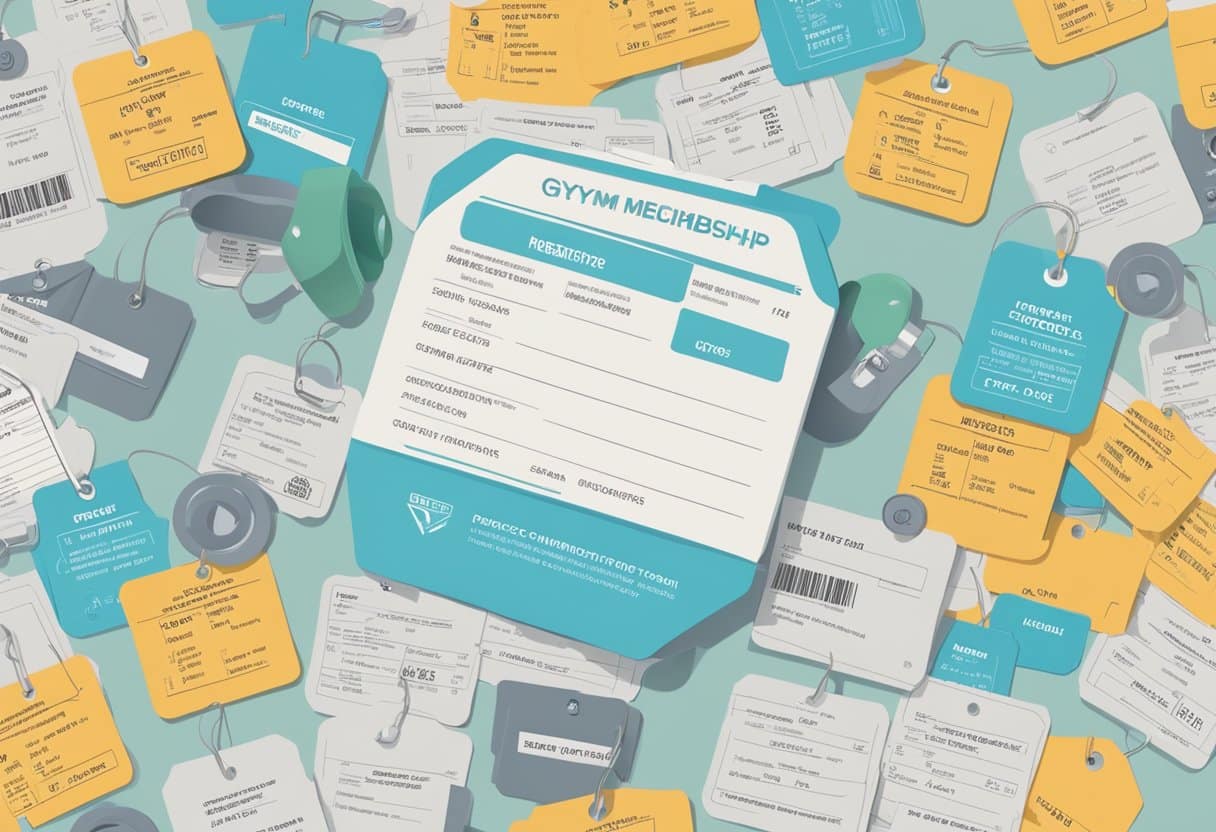
When choosing a gym, you’ll find that membership costs can vary widely. Your task is to match your budget with the options available while ensuring you get overall value. Be aware, the initial fee is just part of what you’ll pay.
Exploring Membership Options
Gyms typically offer a range of membership plans which can influence the cost of your membership.
For example, a basic plan at Planet Fitness may start at $10 per month, while Gold’s Gym memberships can begin at around $30.
Some membership options to consider:
- Monthly vs. Annual: Paying upfront for the year may offer savings compared to monthly billing.
- Tiered Memberships: More expensive tiers often include additional access to classes and facilities.
- Add-on Services: Personal training sessions or specialized classes may not be included in the base cost.
Consider the frequency and type of usage you anticipate to ensure the membership is a good value for your needs.
Analyzing Contract Clauses
It’s essential to read and understand your gym contract thoroughly before signing. Look for:
- Initiation and Cancellation Fees: There might be additional fees beyond the monthly rate.
- Automatic Renewals: Your contract may auto-renew unless you cancel by a specific date.
- Freeze Options: In case of travel or injury, check if you can pause your membership and under what terms.
By carefully analyzing the contract, you can avoid unexpected charges and ensure the gym membership aligns with your budget and value expectations.
Evaluating Location and Convenience
When selecting a gym, ensuring it aligns with your daily routines and accessibility requirements is critical. Your location choice can greatly influence your consistency and commitment to a fitness regime.
Proximity to Home or Work
The closer your gym is to your home or workplace, the more likely you are to visit regularly.
Look for options within a 5-10 minute drive or a short walk, which can fit seamlessly into your daily commute.
- Home: Choose a location that’s on your usual route to avoid making big detours that might demotivate you.
- Work: If you’re considering workout sessions before or after work, or even during your lunch break, a gym near your workplace can be ideal.
Analyzing the traffic patterns at different times of the day can also impact your decision. You don’t want to waste valuable time stuck in traffic when you could be exercising.
Operating Hours and Accessibility
Gyms that offer extensive operating hours cater to varied schedules.
Whether you’re an early bird or a night owl, accessing the facility at your most convenient times is essential.
- Early Hours: For a morning workout routine, find a gym that opens by at least 5 or 6 AM.
- Late Hours: If you prefer evening sessions, look for places that close at 10 PM or later.
Accessibility isn’t just about the hours though.
Consider the ease of getting into the gym, parking availability, and public transport links if you’re not driving.
A gym with complicated access or limited parking can become a significant inconvenience, potentially disrupting your workout schedule.
Facilities and Equipment Quality

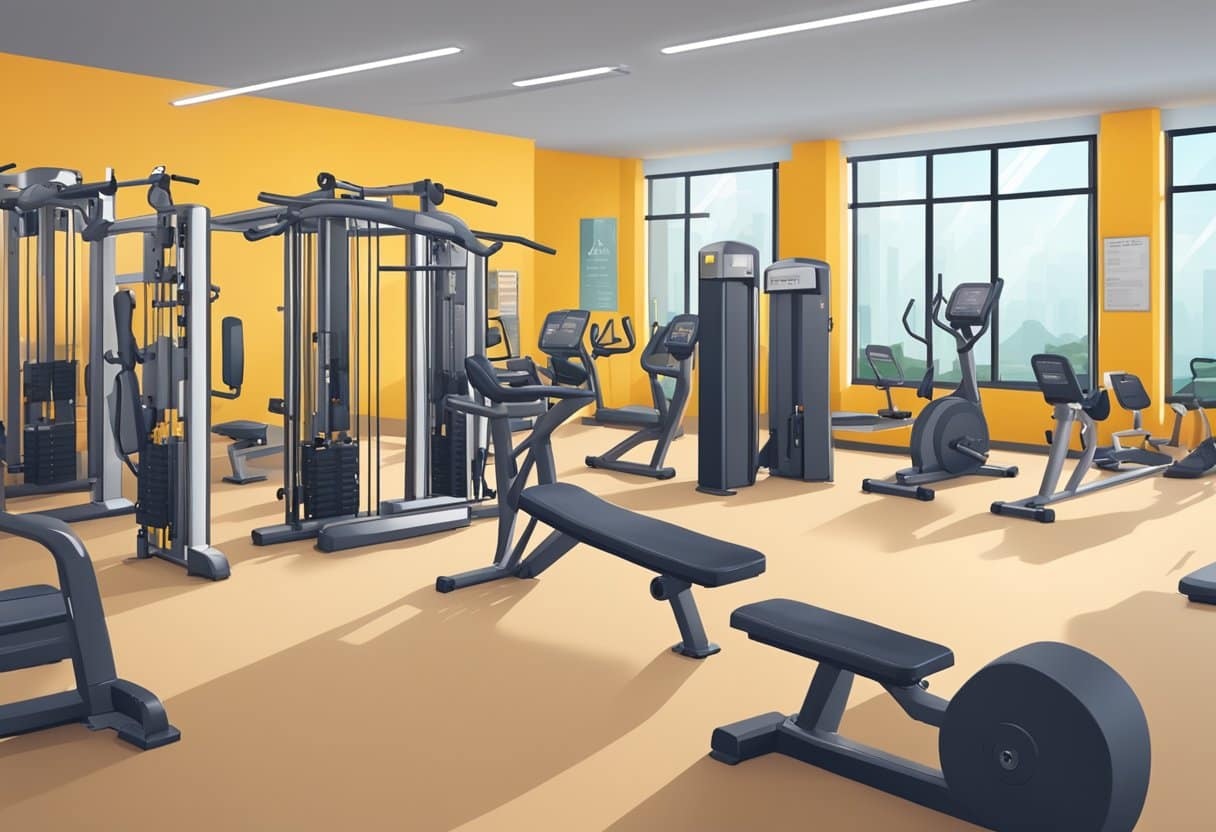
When selecting a gym, the quality and maintenance of the facilities and equipment are crucial for your safety and workout effectiveness. The condition of free weights, machines, and squat racks often reflects the gym’s commitment to your fitness experience.
Maintenance of Equipment
Regular maintenance is key to ensuring that all exercise equipment remains safe and functional.
You should see visible signs that equipment is well-cared for, such as absence of rust on free weights and operational digital screens.
Ask staff how often they perform maintenance checks to ensure there’s a system in place to catch and fix any issues promptly.
Availability of Varied Exercise Equipment
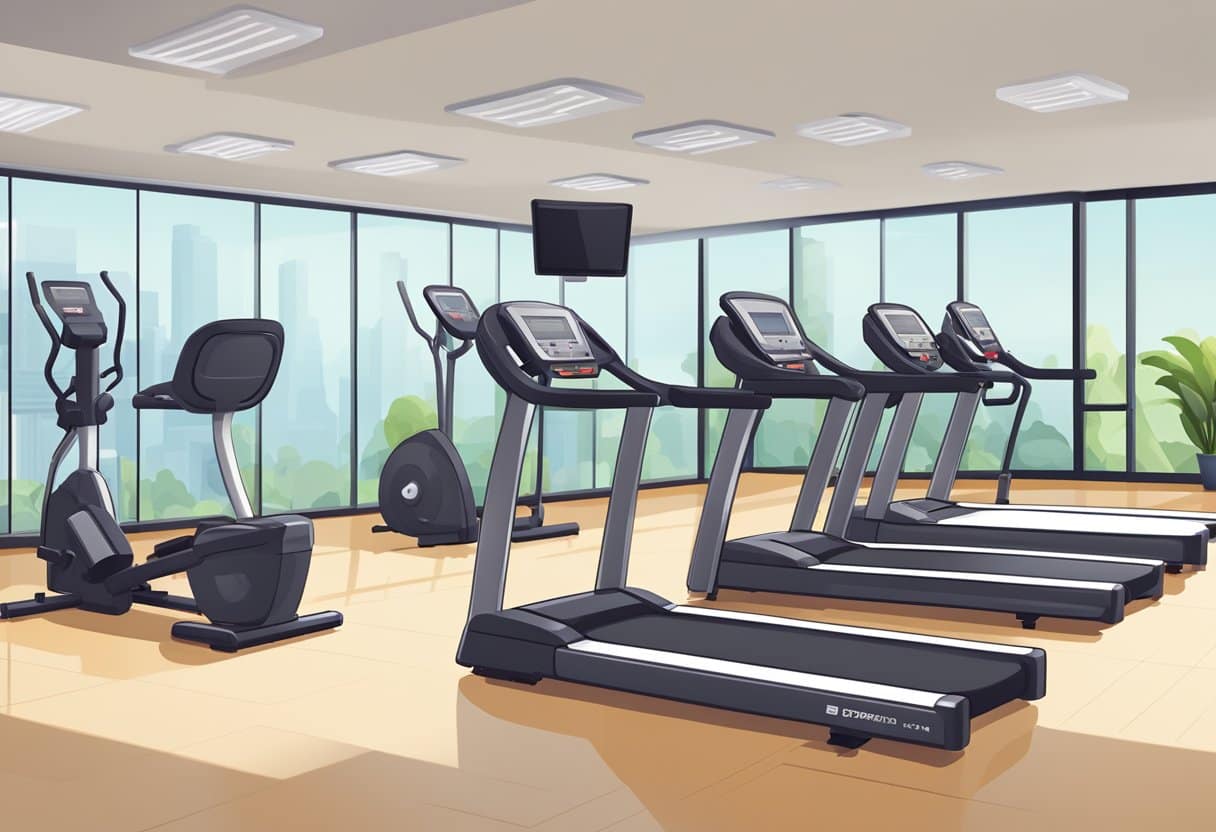
A diverse array of exercise equipment caters to different fitness levels and workout plans. Look for:
- Cardio machines such as treadmills and ellipticals
- A robust selection of free weights, including dumbbells and barbells
- Multiple squat racks and benches to prevent wait times
- Machines targeting all major muscle groups
Your gym should offer both variety and quantity, minimizing wait times and providing ample opportunity to diversify your routine.
Additional Amenities and Services
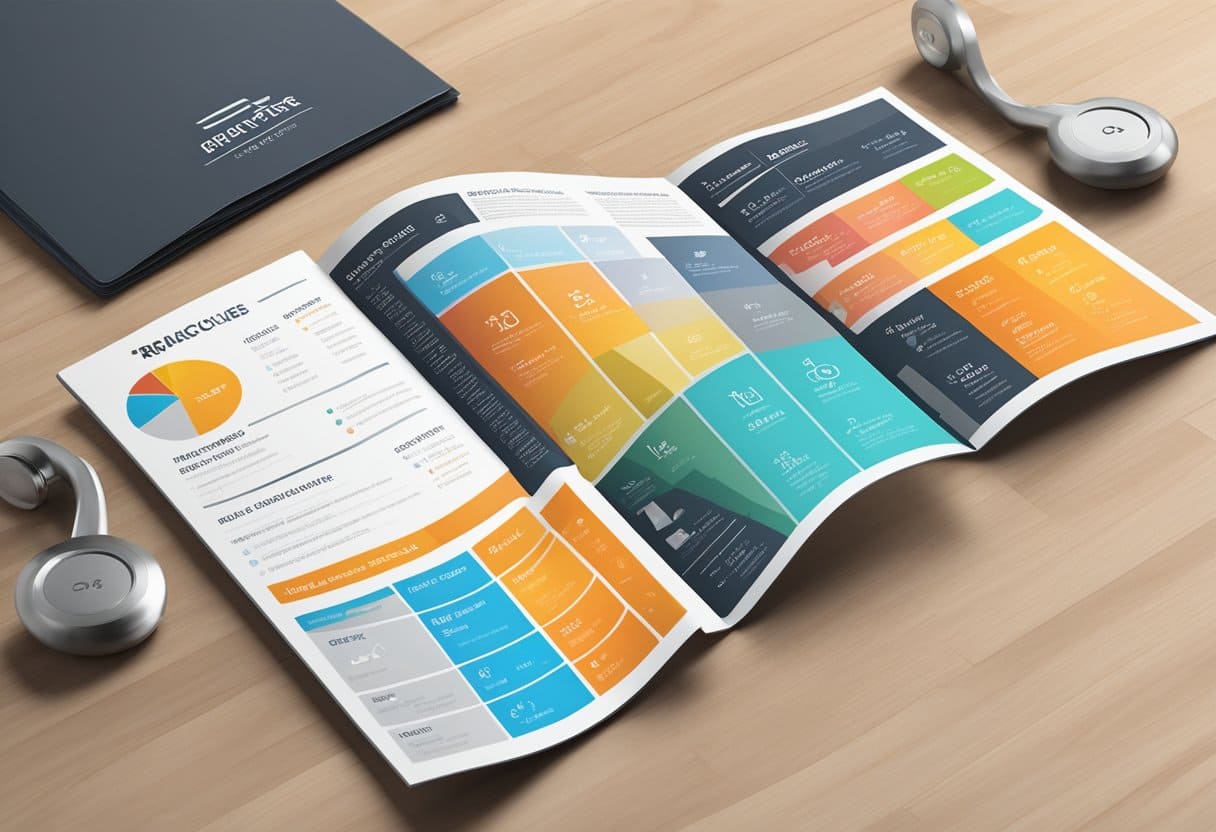
When you’re choosing a gym, it’s crucial to look beyond the workout equipment. The quality and range of amenities and services can greatly enhance your gym experience.
Locker Rooms and Cleanliness
Your gym’s locker rooms are a cornerstone of your workout routine, offering a private space to store your belongings and freshen up post-exercise. Look for clean, well-maintained facilities that provide:
- Lockers large enough to store your gym bag and personal items.
- Towels and spray bottles readily available for personal hygiene and equipment cleaning.
The presence of staff dedicated to maintaining cleanliness indicates a gym that prioritizes your health and comfort.
Special Features like Pool, Spa, and Sauna
Pools, spas, and saunas are significant perks that can make your gym stand out from the rest.
These features not only offer relaxation and recovery but also additional workout options:
- Swimming pools give you a low-impact, high-intensity workout option.
- Spas and saunas aid in muscle recovery and relaxation.
Remember, access to these amenities may reflect on the overall membership cost, so weigh their importance against your budget.
Atmosphere and Community

When choosing a gym, the vibe of the place and the people you’ll be working out with can significantly impact your fitness journey.
It’s not just about the equipment and the location; it’s about where you feel motivated and supported.
Gym Culture and Member Community
Gym Culture: The culture of a gym is shaped by its members, staff, and the overall environment that they create together. Look for a gym where members interact positively with each other. Also, make sure the staff are encouraging and approachable.
If you prefer a friendly, supportive community, a gym where members interact positively with each other and the staff are encouraging and approachable is ideal. Fitness enthusiasts often thrive in environments that promote a sense of belonging and shared goals.
Member Community: Your gym is also your community. Engage with social media platforms related to the gym to get a feel for the member base and see if it aligns with your social preferences. Are community events and competitions frequent? These can be telltale signs of an active and cohesive member community.
Group Exercise Classes and Social Aspects
Group Exercise Classes: If group fitness is high on your priority list, check the group exercise classes schedule. Classes should not only cater to different fitness levels but also to a range of interests—from spinning and yoga to aerobics and strength training.
A varied timetable with frequent classes indicates a vibrant group workout scene.
Social Aspects: While individual workouts can be effective, social interactions in a gym can boost energy levels and accountability. Look into if the gym organizes social events or has common areas where members can connect and interact. A gym with active social aspects can provide that extra motivation and make your workouts more enjoyable.
Evaluating Staff and Trainers

When selecting a gym, the quality of the staff and trainers is as crucial as the equipment and facilities. You’ll be entrusting your fitness journey to these individuals, so their expertise and approach to service can make a significant impact on your workout experience and results.
Professionalism and Qualifications
It’s vital to assess the professional credentials of the trainers at a gym. Certified personal trainers should have accreditations from reputable organizations, indicating a solid foundation in exercise science, nutrition, and program design.
Look for certifications from bodies such as ACE, NASM, or CSCS, which require a thorough understanding of fitness training principles.
Additionally, ask about the years of experience they have in personal training. An established track record suggests that they are capable of tailoring fitness programs to a diverse clientele and consistently achieving their fitness goals.
Trainer specializations can also be important if you’re looking for targeted training, such as strength training, rehabilitation, or sport-specific training.
Customer Service and Support
At the core of customer service is how staff members interact with you and manage your concerns. Pay attention to the staff’s readiness to assist and their overall demeanor.
Are they approachable and willing to help with equipment or provide tips when asked? Do they actively monitor the gym floor, ensuring a safe and supportive environment for everyone?
The availability of personal training services can also be a key factor for your fitness progress. Great gyms often offer introductory personal training sessions, allowing you to experience one-on-one coaching and see firsthand how trainers engage with clients.
This serves as a good indicator of their commitment to your fitness success.
Reviews and Reputation
When choosing a gym, your decision should be informed by both online testimonials and word-of-mouth recommendations. These sources provide insights into the gym’s reputation, the quality of the facility, and the overall gym experience.
Online Testimonials
Online reviews can serve as a powerful indicator of a gym’s standing. Look for patterns in the comments regarding equipment quality, cleanliness, and customer service.
Websites like NerdWallet emphasize the importance of these reviews, suggesting they reflect the collective experience of the members.
Assess not just the ratings, but also read through the detailed feedback to understand the context behind the scores.
- Check for Consistency: Do multiple reviews mention the same pros or cons?
- Recent Reviews: Focus on the most recent testimonials to ensure you’re getting current information about the gym.
Word-of-Mouth Recommendations
Personal recommendations are invaluable. They come from people you trust and offer a transparent view of their gym experience.
Listen to friends, family, or coworkers who may provide you with nuanced details that aren’t always apparent online.
- Ask about their personal experience:
- How is the quality of the facility?
- Are there ample quality machines and weights?
- Inquire about the atmosphere and culture:
- Is the environment motivating and supportive?
Frequently Asked Questions
How much does a gym membership typically cost per month?
Gym membership costs vary significantly based on location, amenities, and brand. Budget gyms like Planet Fitness start around $10-15 per month for basic access, while mid-range facilities like Gold’s Gym typically charge $30-50 monthly. Premium gyms with extensive amenities, pools, saunas, and unlimited classes can range from $80-200+ per month.
When evaluating cost, look beyond the monthly fee—many gyms charge initiation fees ($25-100), annual maintenance fees, and cancellation penalties. Always read the contract carefully for auto-renewal clauses and ask about discounts for students, seniors, or corporate memberships. The best value isn’t always the cheapest option; consider what amenities you’ll actually use and whether the gym supports your specific fitness goals.
What should I look for when choosing a gym for the first time?
First-time gym members should prioritize four key factors: location convenience, equipment variety, staff support, and contract flexibility. Choose a gym within 5-10 minutes of your home or work to eliminate excuses and build consistency. Visit during your intended workout hours to assess crowding, cleanliness, and equipment availability.
Look for gyms offering beginner-friendly amenities like introductory personal training sessions, diverse group fitness classes at multiple skill levels, and approachable staff willing to demonstrate equipment. Avoid long-term contracts initially—opt for month-to-month memberships or trial periods to ensure the gym fits your needs. Check if they offer proper onboarding, equipment orientation, and a welcoming atmosphere for newcomers. Many quality gyms provide free consultations to help you set realistic fitness goals before you commit.
How close should a gym be to my home or workplace?
Ideally, your gym should be within 5-10 minutes of your home, workplace, or directly on your commute route. Research consistently shows that gym proximity is one of the strongest predictors of long-term adherence to fitness routines. If your gym requires more than 15 minutes of extra travel, you’re significantly more likely to skip workouts, especially during busy periods or bad weather.
Consider your daily schedule: morning exercisers benefit most from gyms near home, while those who prefer lunch or after-work sessions should prioritize workplace proximity. Also factor in traffic patterns—a gym that’s technically close but requires navigating rush-hour congestion may feel much farther. Some fitness enthusiasts maintain memberships at two locations (one near home, one near work) for maximum flexibility, though this obviously increases costs.
What gym amenities are worth paying extra for?
The amenities worth paying extra for depend on your fitness goals and preferences. Group fitness classes provide structure, motivation, and social accountability—valuable for those who struggle with self-directed workouts. Pools offer low-impact cardio ideal for injury recovery or cross-training. Saunas and steam rooms aid muscle recovery and relaxation, particularly beneficial for athletes or those with physically demanding jobs.
Quality locker rooms with showers, towel service, and secure storage are essential if you work out before work or during lunch breaks. Personal training services, even occasional sessions, can dramatically accelerate progress and prevent injury through proper form instruction. Childcare facilities are game-changers for parents. Conversely, skip paying for amenities you won’t use—if you hate group classes or never swim, a basic gym may better serve your needs and budget.
How can I tell if a gym has quality equipment and proper maintenance?
Quality equipment and maintenance are visible during a facility tour. Check free weights for rust or damage, test machine cables for smooth operation without sticking or jerking, and inspect cardio equipment screens for functionality. Well-maintained gyms have cleaning supplies and sanitizer readily available throughout the facility, with staff regularly wiping down equipment.
Look for sufficient equipment quantity to avoid long wait times during peak hours—there should be multiple squat racks, bench press stations, and popular cardio machines. Ask about equipment maintenance schedules and replacement policies. Modern, varied equipment indicates ongoing investment in the facility. Red flags include broken equipment left unrepaired for extended periods, outdated machines with worn padding, overcrowding that prevents reasonable access, and absence of staff monitoring the workout floor for safety and cleanliness.
What questions should I ask before signing a gym membership contract?
Before signing, ask these critical questions: What is the total cost including all fees (initiation, monthly, annual maintenance)? What is the cancellation policy and associated fees? Does the membership auto-renew, and how much notice is required to cancel? Can I freeze my membership for travel or injury, and is there a fee? Are there peak hour restrictions?
What exactly is included—classes, personal training consultations, guest passes, towel service? Are there additional locations I can access? What are the qualifications of the personal trainers? Can I get a trial period or money-back guarantee? Request a copy of the full contract to review at home before committing. Legitimate gyms won’t pressure you to sign immediately. Watch for high-pressure sales tactics, vague fee structures, or reluctance to provide written terms—these are red flags suggesting you should look elsewhere.
Is it better to join a large chain gym or a small local fitness center?
Both options have distinct advantages depending on your priorities. Large chain gyms like Planet Fitness, Gold’s Gym, or LA Fitness offer multiple locations for travel convenience, typically lower costs through economies of scale, extended operating hours (often 24/7), and standardized equipment and classes. They’re ideal for those who value predictability, travel frequently, or want basic amenities at competitive prices.
Small local gyms often provide more personalized attention, stronger community atmosphere, specialized training programs, less crowding, and greater flexibility in membership terms. They’re better suited for those seeking individualized coaching, niche fitness focuses (CrossFit, Olympic lifting, specific martial arts), or a tight-knit community environment. Visit both types, try their trial periods, and assess which environment motivates you more—the right atmosphere significantly impacts long-term adherence.
What are the best times to visit a gym to see how crowded it gets?
Visit during the hours you actually plan to work out to accurately assess crowding and wait times. Peak hours at most gyms are 6-8 AM (before work), 12-1 PM (lunch rush), and 5-7 PM (after work). These times typically see the longest waits for popular equipment like squat racks, bench presses, and cardio machines. Mid-morning (9-11 AM), early afternoon (2-4 PM), and late evening (8-10 PM) are usually less crowded.
Weekend patterns differ—Saturday and Sunday mornings are often busy, while Sunday evenings tend to be quiet. Ask staff about their busiest times and request a guest pass to experience the facility during your intended workout window. Some gyms offer discounted “off-peak” memberships with restricted access during high-traffic hours—a good option if your schedule is flexible and you prefer a less crowded environment.
Do I need a personal trainer when starting at a new gym?
While not mandatory, hiring a personal trainer for at least a few initial sessions provides significant value, especially for beginners. A qualified trainer (look for certifications from
Even experienced gym-goers benefit from occasional training sessions to break plateaus, learn new techniques, or ensure their form remains correct. Many gyms include one or two complimentary personal training sessions with new memberships—take advantage of these. If budget is a concern, consider semi-private training (small group sessions at reduced rates) or invest in just 3-5 sessions initially to build a solid foundation. The knowledge and injury prevention benefits typically far outweigh the cost, and proper form learned early prevents bad habits that are difficult to correct later.
Work with a certified trainer who comes to you — home, building gym, or park. Matched to your goals, not just whoever’s available.
Get matched with a trainer