Ever find yourself wondering if you should see a physical therapist or a corrective exercise specialist? It’s a common question, especially if you’re dealing with movement issues, muscle imbalances, or trying to bounce back from an injury.
If you’re considering options like corrective exercise vs physical therapy, both approaches can be tailored to your specific needs.
Both can help you move better and feel less pain. But they each have their own approach and purpose in your health journey.
Understanding the distinction between corrective exercise vs physical therapy can greatly influence your recovery journey.
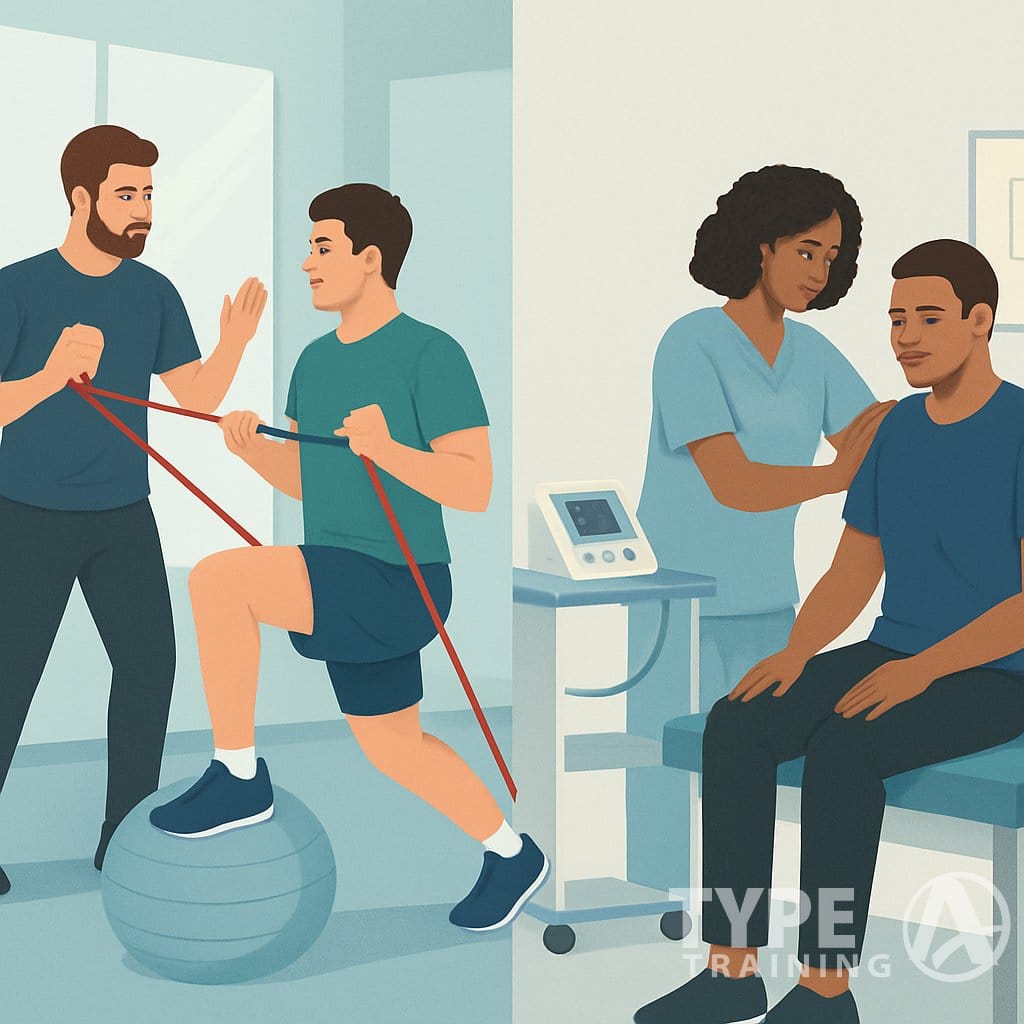
Physical therapists are licensed healthcare pros who diagnose and treat medical conditions and injuries. Corrective exercise specialists focus on movement patterns and muscle imbalances, making sure you exercise safely and effectively.
The debate of corrective exercise vs physical therapy often comes down to the specific needs of the individual.
This difference matters a lot, especially for folks in Manhattan. Maybe you’re a Midtown desk jockey with nagging posture problems, or an Upper East Side athlete hoping to avoid future injuries.
The right choice depends on your situation and goals. Are you dealing with a diagnosed condition, or just want to move and feel better?
When faced with the choice of corrective exercise vs physical therapy, consider what you aim to achieve.
Key Takeaways
- Physical therapists treat diagnosed medical conditions; corrective exercise specialists address movement patterns and imbalances.
- Go to physical therapy for injuries or conditions, and look to corrective exercise for prevention and movement quality.
- Both can team up for a plan that keeps you moving well and staying pain-free.
Understanding Corrective Exercise and Physical Therapy
This article discusses corrective exercise vs physical therapy to help clarify these important concepts.
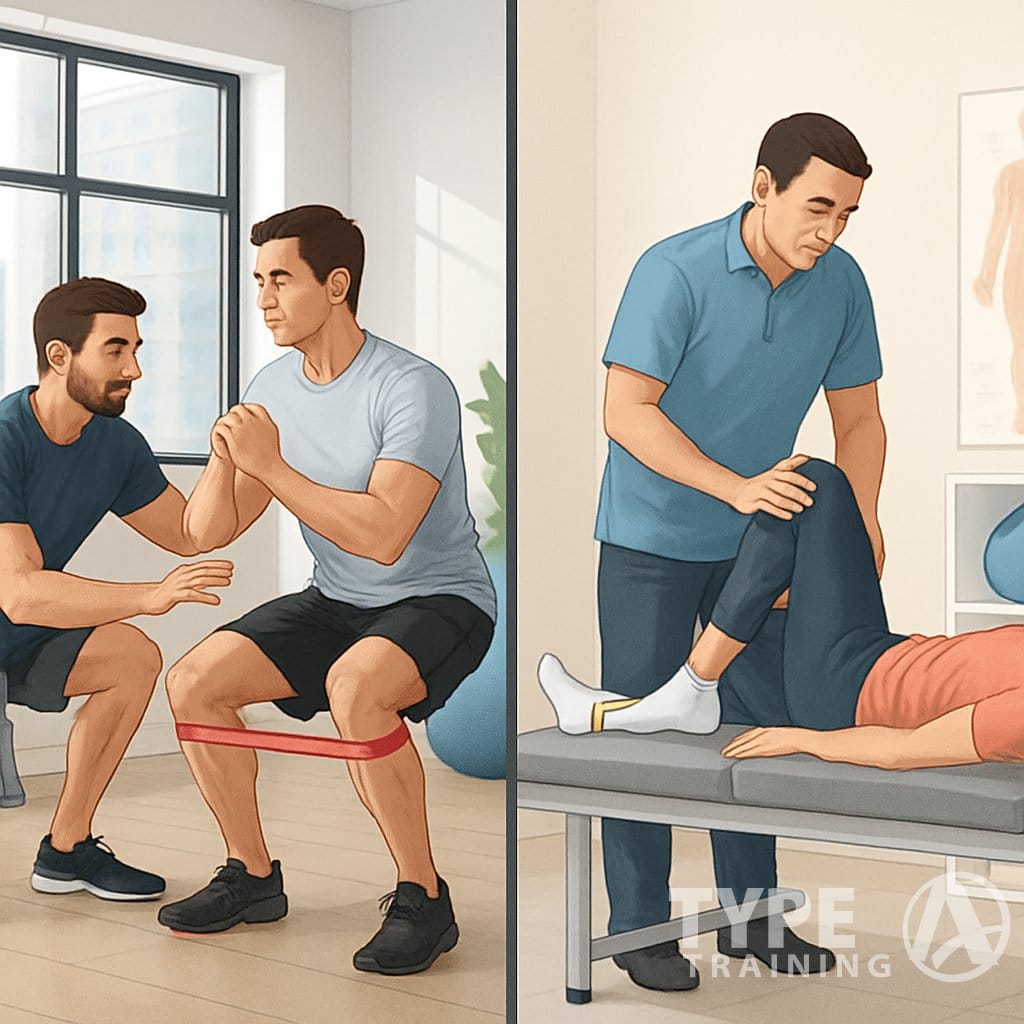
Both fields aim to help you move better and hurt less. But they don’t do the same thing.
Physical therapists treat medical conditions and injuries. Corrective exercise specialists focus on movement patterns and muscle imbalances.
For those weighing corrective exercise vs physical therapy, it’s crucial to know the focus of each approach.
Definition of Corrective Exercise
Corrective exercise specialists work with you to spot and fix movement problems that mess with your daily life or workouts. They’ll check for muscle imbalances, posture issues, and restrictions that hold you back.
They can’t diagnose medical conditions. Instead, they evaluate your musculoskeletal system for soft tissue and movement restrictions that could make moving tough.
Common issues they tackle:
- Forward head posture from endless desk work in Midtown
- Hip tightness from those epic subway rides
- Shoulder imbalances from heavy bags
- Core weakness that makes daily stuff harder
A lot of these specialists in Manhattan work with busy people who spend way too long at desks. They’ll design exercise plans to fix rounded shoulders or tight hips.
Understanding corrective exercise vs physical therapy is essential when seeking the right care.
Certifications include:
Popular posts:
- NASM Corrective Exercise Specialist (CES)
- The BioMechanics Method certification
- Functional Movement Screen (FMS)
If you’re in the Upper East Side or Chelsea, you might team up with a corrective exercise specialist to boost your gym game or avoid injuries.
Defining Physical Therapy
Physical therapists are licensed healthcare pros who treat medical diagnoses, injuries, and trauma. They help people recover from surgery, manage chronic conditions, or heal from injuries.
Many people ask about the differences in corrective exercise vs physical therapy methods.
Physical therapy can be an alternative to orthopedic surgery. Physical therapists often help you avoid prescription drugs and painkillers if possible.
They treat:
- Achilles tendinitis
- Rotator cuff tears
- Post-surgery rehab
- Plantar fasciitis
- Back and neck injuries
Physical therapists go through grad school and tough licensing exams. The American Physical Therapy Association (APTA) sets the rules.
You usually need a doctor’s referral to see one, and insurance often covers the visits if they’re medically necessary.
In Manhattan, you’ll find physical therapists in hospitals, clinics, and private practices. They use hands-on therapy, exercises, and special equipment to help you recover.
How Corrective Exercise and Physical Therapy Overlap
Both help you move better and hurt less, but they step in at different points. Physical therapists handle injuries and conditions first. Corrective exercise specialists help you prevent future problems.
A lot of people use both. Maybe you see a physical therapist after a knee injury, then work with a corrective exercise specialist to avoid it happening again.
Key similarities:
- Both check your movement patterns
- Both use exercise as a tool
- Both want to reduce pain
- Both aim to improve how you function
Collaboration’s common. Doctors and physical therapists often refer patients to corrective exercise specialists for ongoing exercise help.
If you’re in Manhattan, you might visit a physical therapist in the Financial District for injury treatment, then see a corrective exercise specialist in SoHo for long-term movement gains.
Key Differences Between Corrective Exercise and Physical Therapy
Here, we will explore corrective exercise vs physical therapy to help you make informed choices.
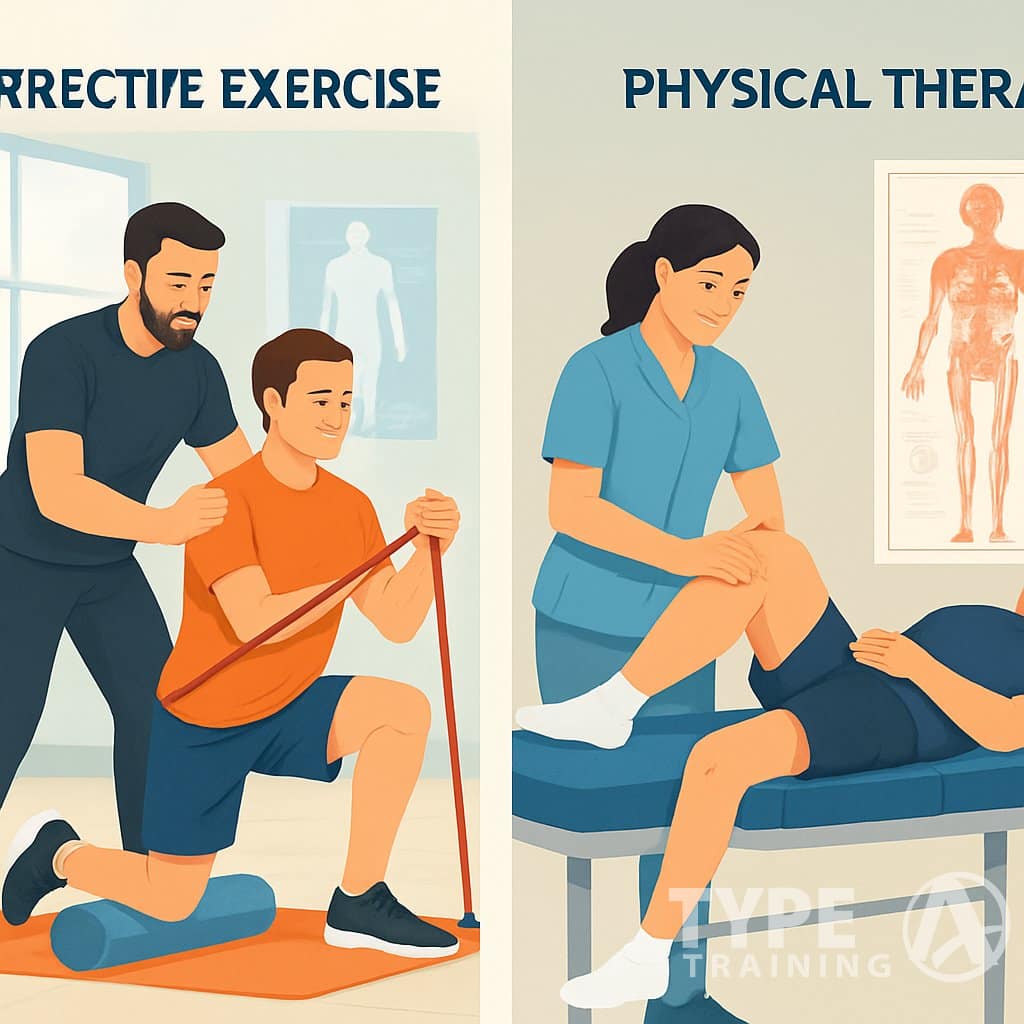
Physical therapy requires a medical license and treats diagnosed conditions. Corrective exercise specialists focus on movement assessments and fitness optimization—no diagnosing here.
The settings, goals, and certifications are really different between these two.
Scope of Practice and Certification
Physical therapists must finish doctoral programs and get state licenses. They diagnose movement disorders, treat medical conditions, and help people after injuries or surgeries.
Corrective exercise specialists don’t diagnose medical conditions. They work within fitness guidelines, checking movement patterns and muscle imbalances to boost your exercise performance and daily life.
Certification Requirements:
- Physical Therapists: Doctoral degree (DPT) + state license
- Corrective Exercise Specialists: Fitness certifications like NASM
In Manhattan, especially in the Upper East Side and Midtown, many corrective exercise specialists hold advanced certifications. They help busy folks fix posture issues from long hours at a desk—no medical referral needed.
Primary Goals and Outcomes
Physical therapy aims to treat specific injuries and medical conditions. Sessions focus on reducing pain, restoring function after trauma, and hitting treatment goals.
Corrective exercise specialists work on movement optimization and injury prevention. They want you to move better, whether you’re working out or just getting through your day.
Physical Therapy Goals:
-
- Treat diagnosed conditions
At times, individuals ponder corrective exercise vs physical therapy to find the best solution.
- Post-surgery rehab
- Pain management
- Restore normal function
Corrective Exercise Goals:
Examining corrective exercise vs physical therapy reveals unique benefits of each approach.
- Improve movement quality
- Prevent injuries
- Optimize exercise performance
- Address posture problems
Manhattan professionals often use corrective exercise to fight off the effects of commuting and desk work. Chelsea and SoHo specialists see lots of clients needing posture fixes and movement upgrades.
Role in Rehabilitation and Recovery
Physical therapy jumps in for medical rehab. You see a physical therapist when you’re recovering from injuries, surgery, or managing chronic conditions.
Corrective exercise specialists fill the gap between PT and personal training. They help you move from medical treatment back to your normal exercise routine.
If something’s outside their expertise, your corrective exercise specialist will refer you to a medical pro. That way, you get the right care at every step.
In neighborhoods like Tribeca and the Financial District, lots of people use corrective exercise to stay fit and avoid injuries that could mess with their schedule.
Settings and Delivery of Care
Physical therapy usually happens in medical settings—think hospitals, clinics, or rehab centers. Doctors often prescribe it, and insurance might cover it.
Corrective exercise happens in gyms, studios, or even at home. Manhattan specialists often offer flexible hours for busy folks in places like the West Village or Midtown.
Typical Settings:
- Physical Therapy: Medical clinics, hospitals, rehab centers
- Corrective Exercise: Gyms, studios, corporate wellness, homes
Your corrective exercise program focuses on long-term movement health, not treating medical issues. This resonates with New Yorkers who care about prevention and performance.
Understanding Corrective Exercise vs Physical Therapy
Ultimately, the choice between corrective exercise vs physical therapy depends on personal circumstances.
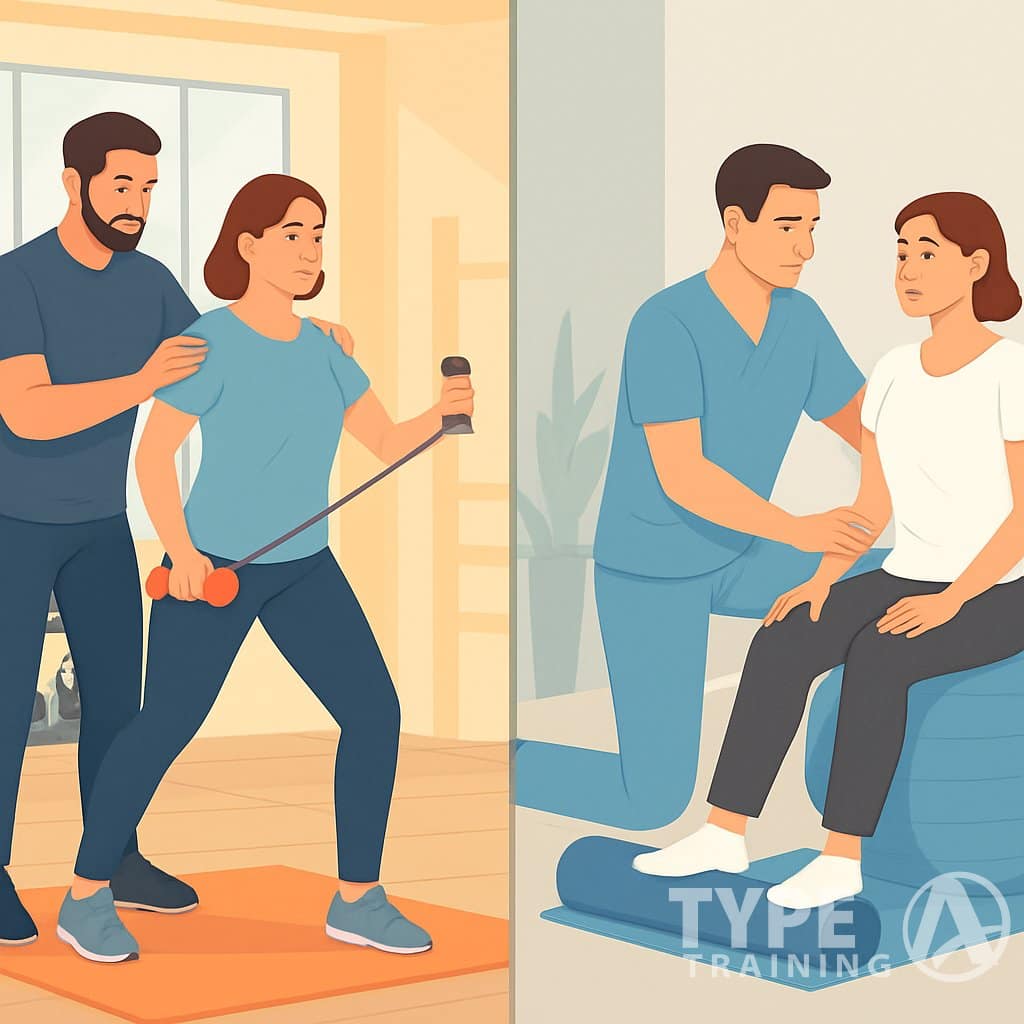
Choosing between corrective exercise and physical therapy comes down to your needs, injury status, and movement goals.
If you’ve got a diagnosed injury or need post-surgery help, go with physical therapy. Want to prevent problems or move better? Corrective exercise might be your best bet.
Injury Prevention and Movement Optimization
Weighing the pros and cons of corrective exercise vs physical therapy can clarify your path forward.
Pick corrective exercise if you want to prevent injuries before they show up. This is perfect if you’re clocking long hours at a Midtown desk or riding the subway enough to ruin your posture.
Corrective exercise helps with:
- Improving how you move every day
- Lowering injury risk by balancing muscle strength
- Fixing postural issues from city life
- Boosting performance for weekend warriors in Central Park
A corrective exercise specialist looks at your movement instead of treating injuries. They spot muscle imbalances and restrictions that could cause future problems.
Training for the NYC Marathon or playing sports on weekends? Corrective exercise can help you perform better and avoid injuries.
Recovery from Sports or Chronic Conditions
Physical therapy’s the move if you have a diagnosed injury or chronic condition. You’ll want a licensed pro who can treat your medical situation and work with your doctor.
Choose physical therapy for:
- Diagnosed injuries (like rotator cuff tears or knee pain)
- Post-surgery rehab
- Chronic conditions that mess with movement
- Sports injuries needing medical care
Physical therapists can prescribe treatments and sometimes help you skip surgery. They’ll try to keep you off painkillers by using targeted therapy.
Office workers in NYC with chronic stuff like arthritis or back pain often get real results from physical therapy. Therapists can adjust exercises as your condition changes.
Choosing between corrective exercise vs physical therapy might seem daunting, but knowledge empowers you.
Who Benefits Most from Each Approach
Corrective exercise works best for:
- Busy Financial District pros with desk posture problems
- Athletes aiming to boost performance and avoid sports injuries
- Active adults in Chelsea or SoHo who want to stay fit
- Anyone with movement restrictions but no medical diagnosis
Physical therapy fits:
- Folks recovering from sports medicine procedures
- People with chronic issues affecting movement
- Those who need medical oversight for recovery
- Patients sent by doctors for injury treatment
A lot of Manhattanites use both at different times. Maybe you start with physical therapy after a knee injury, then shift to corrective exercise to keep moving well for city life.
Your lifestyle matters too. If you’re walking all over the Upper East Side or West Village, corrective exercise can help you move easier and feel less wiped out.
Complementary Approaches and Practical Considerations
In summary, the conversation around corrective exercise vs physical therapy is vital for maintaining health.
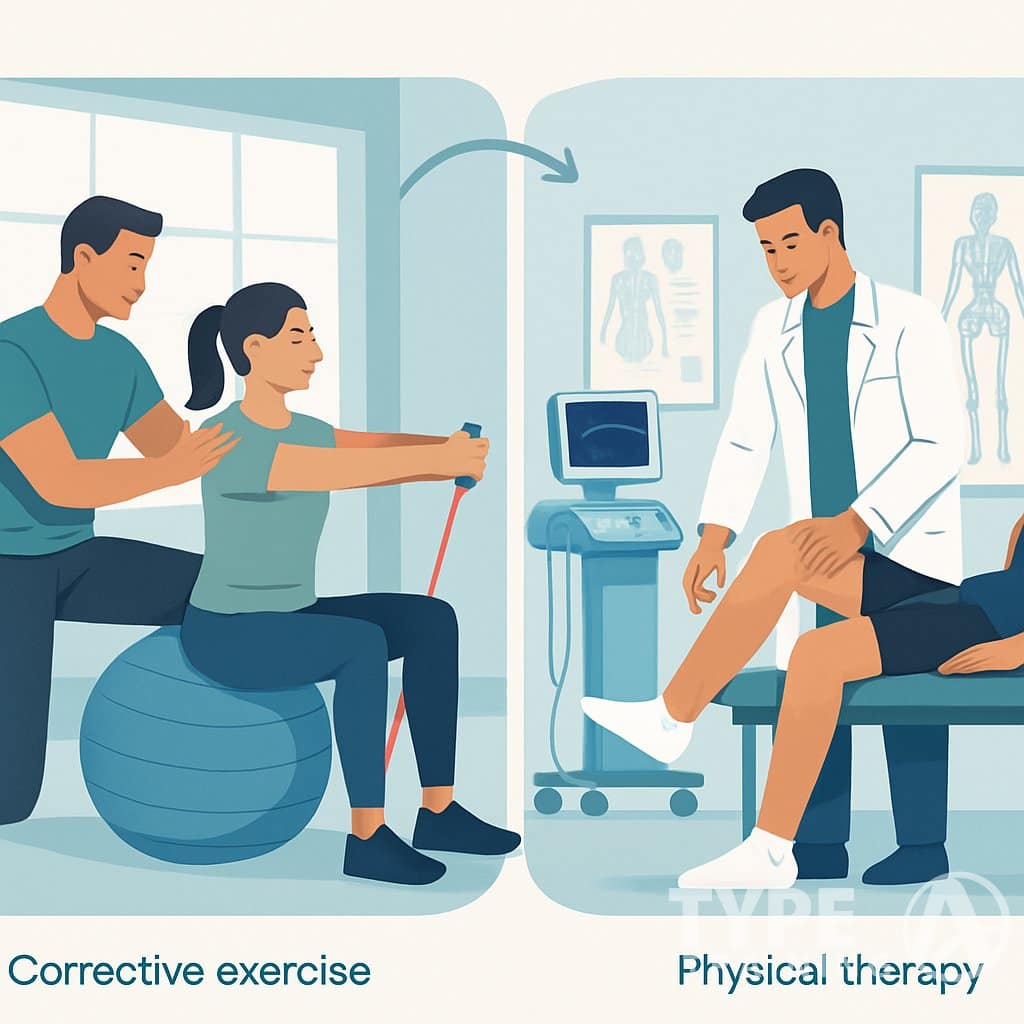
Corrective exercise and physical therapy really shine when you combine them with solid nutrition and some lifestyle tweaks. In Manhattan, lots of folks see the best results when their programs tackle both how they move and the daily habits that might be holding them back.
Integrating Corrective Exercises into Therapy Programs
Physical therapists around NYC have started weaving corrective exercise strategies into workouts. The goal? To help you move smoothly from rehab to peak performance.
Your journey might begin with physical therapy, especially if you’re dealing with a fresh injury. Once you get the green light from your therapist, you’ll use corrective exercises to keep building on that progress.
Common Integration Methods:
- Phase 1: Physical therapy for pain relief and basic mobility
- Phase 2: Corrective exercises for movement pattern improvement
- Phase 3: Progressive strengthening and performance training
Upper East Side clinics use this phased model a lot, especially for busy professionals. You get medical care first, then learn exercises that help you dodge future setbacks.
Manhattan athletes often work with both a physical therapist and a corrective exercise specialist. The PT focuses on injury recovery, while the corrective exercise pro hones in on the movement quirks that led to the injury.
The Role of Nutrition and Lifestyle
Nutrition’s a big deal—what you eat can make or break your recovery. If your diet’s off, healing slows down and inflammation sticks around longer than anyone wants.
Manhattan life isn’t exactly relaxed. Long subway rides and endless hours at a desk in Midtown? Hello, tight hips and hunched shoulders. Your exercise plan has to tackle these real-life issues.
Key Nutrition Factors:
- Protein: Helps repair and build muscle
- Omega-3 fatty acids: Tames inflammation
- Hydration: Keeps tissues and joints happy
SoHo locals, with their unpredictable schedules, often miss regular meals. A good corrective exercise specialist can suggest nutrition options you can actually take with you.
Sleep is another piece of the puzzle. If you’re working late in Chelsea, you’ll need some tricks to boost your rest and help your body bounce back from workouts and therapy.
Collaborative Care: Specialists and Therapists
Honestly, the best results come from a team effort. When your movement health gets attention from several pros, things just click.
Typical Care Team:
- Physical therapist: Handles medical diagnosis and treatment
- Corrective exercise specialist: Fixes movement patterns and imbalances
- Massage therapist: Works on tissue quality and circulation
- Nutritionist: Tunes up your diet for recovery and performance
West Village clinics are big on this team vibe. Maybe your PT spots hip trouble, then your corrective exercise specialist jumps in with moves to retrain your hips.
Communication’s huge. If your team’s based in Tribeca, they should be swapping notes about your progress so you don’t get mixed messages.
When everyone’s on the same page, your goals stay front and center. Athletes might crave performance gains, while Financial District seniors just want to stay steady on their feet.
Team meetings keep care coordinated. That way, you’re less likely to fall through the cracks and more likely to hit your movement and health goals.
Frequently Asked Questions
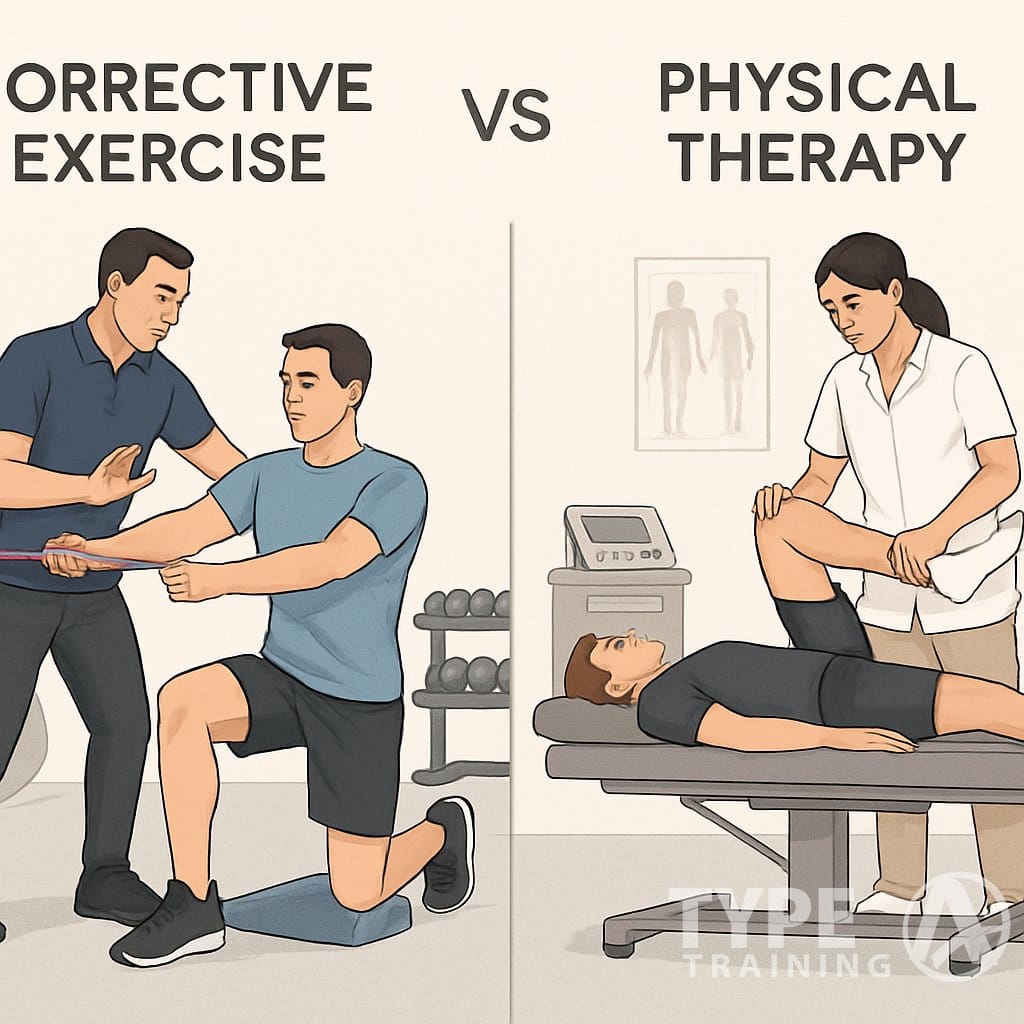
People ask all the time about what it takes to become a corrective exercise specialist or a physical therapist. If you’re in Manhattan with desk-related posture issues or just juggling a busy life, it’s good to know how these two roles differ in the context of corrective exercise vs physical therapy.
Q: What are the qualifications required to become a Corrective Exercise Specialist versus a Physical Therapist?
A: Physical therapists complete Doctor of Physical Therapy (DPT) programs requiring 6-7 years of education including undergraduate prerequisites and 3-year doctoral programs, followed by state licensure examinations. They are licensed healthcare providers authorized to diagnose conditions, develop treatment plans, and perform manual therapy. Corrective Exercise Specialists typically begin as certified personal trainers (NASM-CPT,
Q: How do the goals and treatment methodologies of corrective exercise differ from physical therapy?
A: Physical therapy primarily focuses on injury rehabilitation and restoration of function following acute or chronic injuries, utilizing medical interventions including manual therapy, joint mobilization, therapeutic modalities (ultrasound, electrical stimulation), and evidence-based rehabilitation protocols. Physical therapists diagnose movement dysfunctions, treat pain, and restore patients to pre-injury functional levels. Corrective exercise specializes in injury prevention, movement optimization, and addressing muscle imbalances and postural dysfunctions before they progress to painful conditions. Corrective exercise specialists use movement assessment tools (overhead squat assessment, gait analysis) and design progressive exercise programs targeting specific imbalances common among Manhattan professionals—forward head posture, rounded shoulders, anterior pelvic tilt from prolonged desk work and commuting. While physical therapy addresses existing medical conditions within healthcare settings, corrective exercise provides proactive movement conditioning within fitness environments, helping Upper East Side and Financial District professionals maintain optimal movement patterns and prevent future injuries.
Q: When should someone choose to see a Corrective Exercise Specialist over a Physical Therapist?
A: Choose a physical therapist when experiencing pain, acute injury, diagnosed medical conditions, or requiring rehabilitation following surgery or trauma—physical therapists provide medical treatment covered by insurance and cleared to diagnose and treat pathological conditions. Choose a corrective exercise specialist for injury prevention, movement optimization, postural improvement, and addressing muscle imbalances without pain or injury present. Corrective exercise specialists are ideal for Manhattan professionals experiencing movement restrictions, poor posture, or muscular tension from desk work but not yet injured. Many Tribeca and West Village residents work with corrective exercise specialists for ongoing movement maintenance and injury prevention—services typically more affordable and accessible than long-term physical therapy. The optimal approach often involves sequential care: physical therapist for acute injury rehabilitation, followed by corrective exercise specialist for continued conditioning, movement pattern reinforcement, and prevention of recurrence. Many Chelsea and Midtown professionals use this collaborative model to transition from injury recovery to sustained movement health.