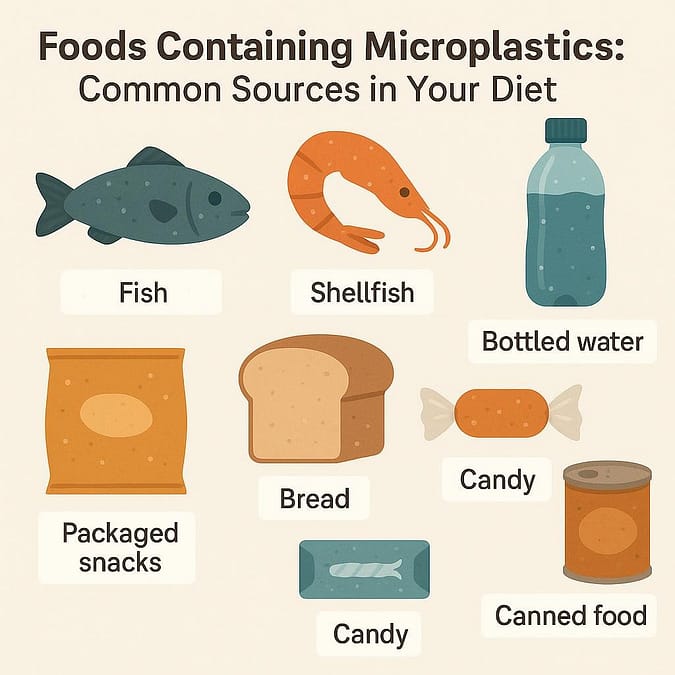
Foods Containing Microplastics: Common Sources in Your Diet
111Tiny plastic particles sneak into your daily routine in ways you probably wouldn’t guess. Even chewing gum can put hundreds of microplastic fragments right into your mouth—yep, every gum brand tested had them.
Foods Containing Microplastics are a growing concern as they infiltrate our diets in unexpected ways.

The scale is honestly a bit wild. Most of us eat or drink tens of thousands of these tiny particles every year—maybe more if you count what floats around in the air. If you know which foods are the worst offenders, you can make a few changes to cut your exposure and feel a little better about what’s on your plate.
Awareness of Foods Containing Microplastics can lead to healthier choices in your meals.
Key Takeaways
Understanding the impact of Foods Containing Microplastics is crucial for our health.
- Microplastics hide out in everyday foods and even things like chewing gum.
- The typical person swallows thousands of these particles every year from food, drinks, and air.
- Just a few tweaks to how you buy and store food can make a big difference.
What Amount of Microplastics Becomes Harmful?

No one’s set an official safety limit for microplastics in your food. Most doctors just say: less is better.
Current regulatory stance:
- The FDA says current levels in food don’t show obvious risks.
- No one’s defined “safe” or “dangerous” amounts yet.
- Researchers are still digging into long-term health effects.
How microplastics get into your food:
- Farmers use plastic mulch and seed coatings.
- Irrigation water can carry plastic bits.
- Plastic packaging and containers shed particles.
- Cooking utensils sometimes leave plastic behind.
Key factors that affect exposure:
- Processing – The more processed, the more plastic bits you might find.
- Storage – Heat and sunlight break plastics down faster.
- Packaging – Single-use plastics are the worst culprits.
The most common foods with microplastics are probably already in your kitchen.
Top 10 Foods Containing Microplastics: Understanding the Impact
Many of the top 10 Foods Containing Microplastics are staples in our diets.

1. Seafood
Fish and shellfish pick up plastic particles as they feed in polluted waters. They eat plankton that’s already swallowed microplastics, and those particles end up in their tissues.
Researchers at Portland State University checked 182 seafood samples—180 had microplastics. Microfibers showed up most often.
Filter feeders and bottom dwellers get hit the hardest, like:
- Clams and mussels
- Oysters
- Catfish and cod
- Halibut and flounder
How to cut down: Buy seafood with less plastic packaging and maybe skip the bottom-feeders now and then.
2. Tea Bags
Switching to loose-leaf tea can help minimize your intake of Foods Containing Microplastics.
Your tea habit might add a sprinkle of plastic to your mug. Lots of tea bags use polypropylene—a plastic that sheds particles in hot water.
Researchers in Barcelona found polypropylene tea bags can let billions of particles loose per cup. Even paper bags sometimes have sneaky plastic bits.
| Tea Bag Type | Particle Release Level |
|---|---|
| Polypropylene | Billions of particles |
| Nylon | Millions of particles |
| Cellulose | Millions of particles |
How to cut down: Go loose-leaf and use a metal infuser. It tastes better anyway.
3. Rice
Rice picks up plastic from contaminated water and soil as it grows. The University of Queensland found just a half-cup can have 3–4 milligrams of microplastics.
Rinsing rice helps reduce the presence of Foods Containing Microplastics in your meals.
Instant rice is even worse—about 13 milligrams per serving. Processing and packaging seem to make things worse.
How to cut down: Rinse rice well before cooking (filtered water is best). That can cut microplastics by up to 40%.
4. Salt and Sugar
Salt gets contaminated during harvesting and processing. One study checked 39 brands—90% had microplastics.
Here’s how it happens:
- Pollution during harvest
- Manufacturing
- Plastic packaging
Sugar picks up plastic the same way, mostly from processing and packaging.
How to cut down: Buy salt and sugar in glass or cardboard, not plastic.
5. Bottled Water
Choosing another beverage can help you avoid some Foods Containing Microplastics.
Bottled water is a microplastic hotspot. Some studies estimate 240,000 particles per liter—yikes.
Most bottles use PET plastic, which breaks down when you squeeze them, leave them in the sun, or store them for ages.
- Squeezing or compressing
- Heat or sunlight
- Long storage
How to cut down: Use filtered tap water in glass or metal bottles when you can.
6. Honey
Local honey is less likely to contain Foods Containing Microplastics if sourced carefully.
Bees collect microplastics from their environment and bring them back to the hive. Even honey in glass jars isn’t safe—the bees already did the collecting.
Studies show bees can transfer microplastics straight from polluted spots into your honey.
How to cut down: Buy from local beekeepers who keep their hives away from busy roads and cities.
7. Fruits and Vegetables
Plants soak up plastic particles from soil and water, and those bits end up in the parts you eat. The particles move through the plant’s system and settle in the fruit or veggie.
Buying organic can reduce your exposure to Foods Containing Microplastics.
The worst offenders? According to research:
- Apples (top fruit)
- Carrots (top veggie)
Plastic packaging at the store might add more, though we’re still learning how much.
How to cut down: Wash produce well, peel when you can, and buy organic or local.
8. Tap Water
Even tap water isn’t totally safe—plastic particles sneak in from:
-
- Old plastic pipes breaking down
Filtering your tap water can help eliminate Foods Containing Microplastics from your hydration.
- Environmental pollution
- Treatment plants
Usually, tap water has less plastic than bottled, but it depends on your local system and how old the pipes are.
How to cut down: Install a solid water filter at home.
9. Beer
Brewing and packaging introduce plastics into beer. Water, equipment, and packaging all play a role.
- Water used for brewing
- Processing equipment
- Packaging materials
Tests on different beers found microplastics in all sorts of brands and styles.
Opting for craft beers may reduce your consumption of Foods Containing Microplastics.
How to cut down: Try beers from breweries using eco-friendly packaging and cleaner production.
10. Processed Foods
Processed foods are loaded with microplastics compared to whole foods. Ocean Conservancy found 88% of protein samples had microplastics, with the worst numbers in processed stuff.
Processed foods are notorious for containing Foods Containing Microplastics, so be cautious.
By food type:
- Breaded shrimp: 300 particles per serving
- Plant-based nuggets: 100 particles per serving
- Fish sticks and chicken nuggets: also high
It’s the equipment, packaging, and where the ingredients come from that push up the numbers.
How to cut down: Stick to whole, less processed foods and make meals from scratch when you can.
What Microplastics in Your Food Mean for Your Health
Awareness of the risks associated with Foods Containing Microplastics is vital for health.

When you eat microplastics, those particles can build up in your body over time. They travel through your bloodstream and settle in organs—even your brain, if you can believe it.
Once they’re in there, they can cause inflammation and damage tissue.
Key Health Concerns:
- Hormone disruption – Plastics mess with your natural hormone balance.
- Toxic absorption – Microplastics attract other nasty chemicals.
- Organ accumulation – They hang out in your organs for the long haul.
Your body can’t break these pieces down, so they just keep piling up with every meal. There’s no official “safe” level, and scientists are still figuring out what all this means long-term, but the early signs aren’t exactly reassuring.
Honestly, you can’t dodge microplastics completely—they’re in almost everything. But you can make a dent in your exposure with some small changes.
Ways to Cut Down on Microplastics in Your Diet
Implementing changes can greatly reduce your intake of Foods Containing Microplastics.

1. Limit Your Shellfish Consumption
Shellfish are microplastic magnets. Mussels, oysters, and scallops filter water to eat, so they soak up loads of tiny plastic bits.
No need to swear off shellfish forever, but maybe don’t make them a daily thing. A little moderation goes a long way.
2. Switch Away from Plastic Food Storage
Using glass instead of plastic can prevent Foods Containing Microplastics from entering your meals.
Plastic containers can leak harmful chemicals into your food. BPA and phthalates are the main culprits here, sneaking from plastic right into what you eat.
These chemicals transfer most easily into:
- Fatty foods like oils and butter
- Warm foods
- Foods stored for long periods
So, what should you use instead?
- Glass containers for all food storage
- Stainless steel containers for leftovers
- Ceramic bowls with lids
If you need to, plastic works fine for dry foods like rice or pasta.
3. Choose Foods Without Plastic Packaging
Shopping without plastic packaging can significantly reduce Foods Containing Microplastics in your diet.
So much of our food comes wrapped in plastic at the store. If you can, pick options that skip the plastic packaging altogether.
Farmers markets are a great option, or try stores with bulk bins. Bring your own cloth bags or glass containers to keep your food away from plastic—it’s easier than you might think.
4. Replace Plastic Kitchen Tools
Ever think about what your kitchen tools are made of? Turns out, plastic spoons, cutting boards, and spatulas can sneak microplastics into your food every time you cook.
Replacing kitchen tools can help decrease the risk of Foods Containing Microplastics in your cooking.
Try swapping these out:
- Cutting boards → Go for wood or bamboo boards
- Cooking spoons → Stainless steel or wood feels better anyway
- Spatulas → Silicone or metal versions last longer
- Mixing bowls → Glass or ceramic options just look cooler
If any plastic touches your food, it’s probably time to switch to something safer. Makes you wonder what else could use an upgrade, right?
Being mindful of what you cook with can prevent Foods Containing Microplastics from sneaking into your meals.
Trainer-delivered nutrition guidance that fits real New York schedules.
See nutrition services