The Best Workout Plans for Teenagers: Safe and Effective Fitness Routines for Youth Development
Figuring out the right workout plan as a teenager? Yeah, it can feel like a lot with all the choices out there.
The teenage years are honestly a perfect time to start building healthy fitness habits that could stick for life.
The best workout plans for teenagers mix strength training, cardio, and flexibility exercises, while keeping in mind growth, development, and what you actually like to do. That’s how you stay safe and make it stick long-term.
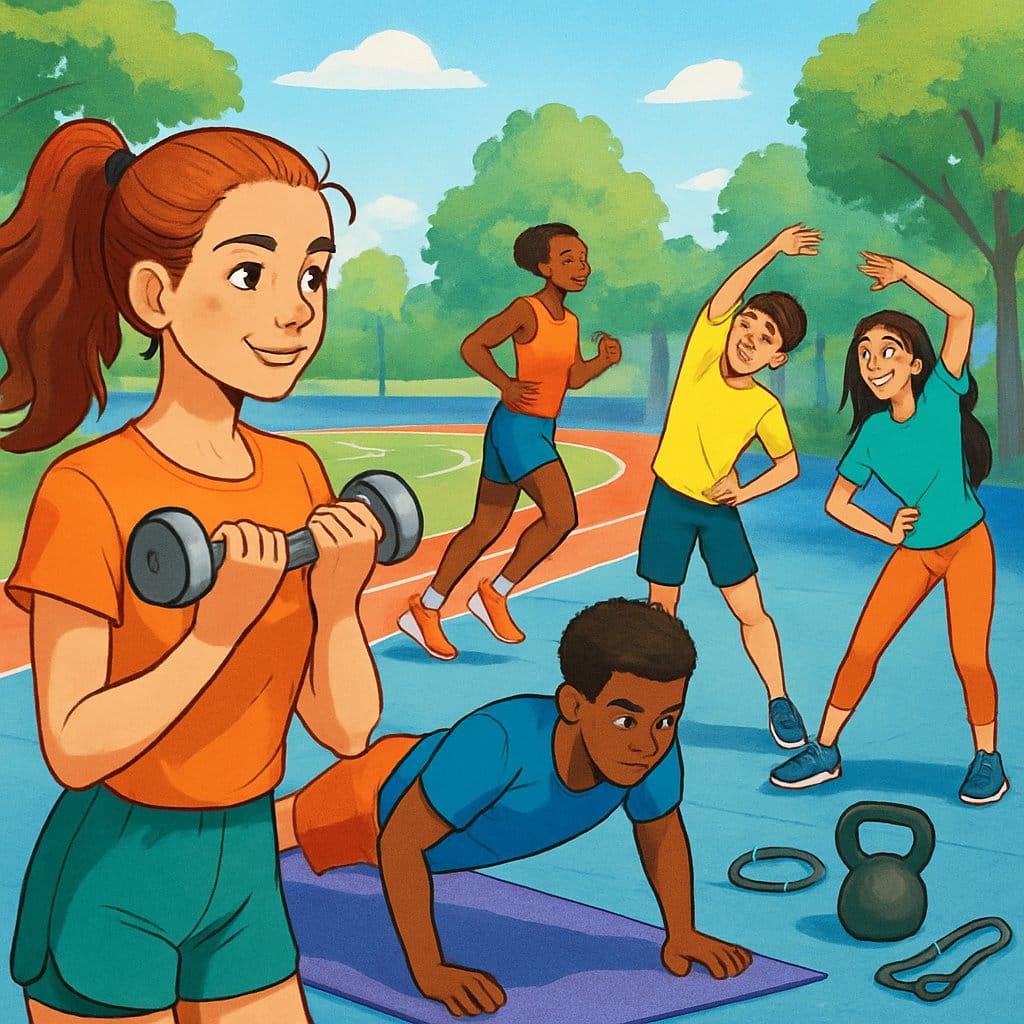
Exercise during adolescence does more than just build muscle or improve your physical health. It also boosts your confidence, melts away stress, and helps your mental well-being.
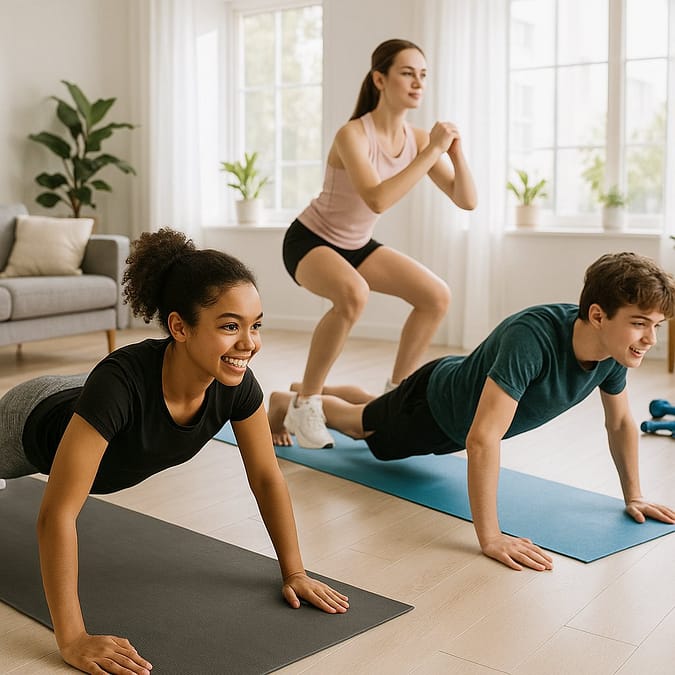
Forget fancy equipment or pricey gym memberships—many effective teen workouts work just fine at home with little or no gear.
Honestly, finding activities you love is everything. If you enjoy it, you’re way more likely to stick with it.
Your teenage fitness journey should feel fun and doable, not like a punishment. The most effective workout routines for teens use basics like push-ups, squats, and lunges, but also sneak in stuff that makes fitness part of your regular life.
Consistency matters more than going all-out in the beginning. Take your time and let it build.
Key Takeaways
- The teenage years are a great time to start fitness habits with routines that balance strength, cardio, and flexibility.
- You don’t need much equipment—bodyweight exercises and activities you actually like work wonders.
- Consistency and good form matter more than intensity. Progress slowly to keep it sustainable and healthy.
Foundations of Workout Plans for Teenagers
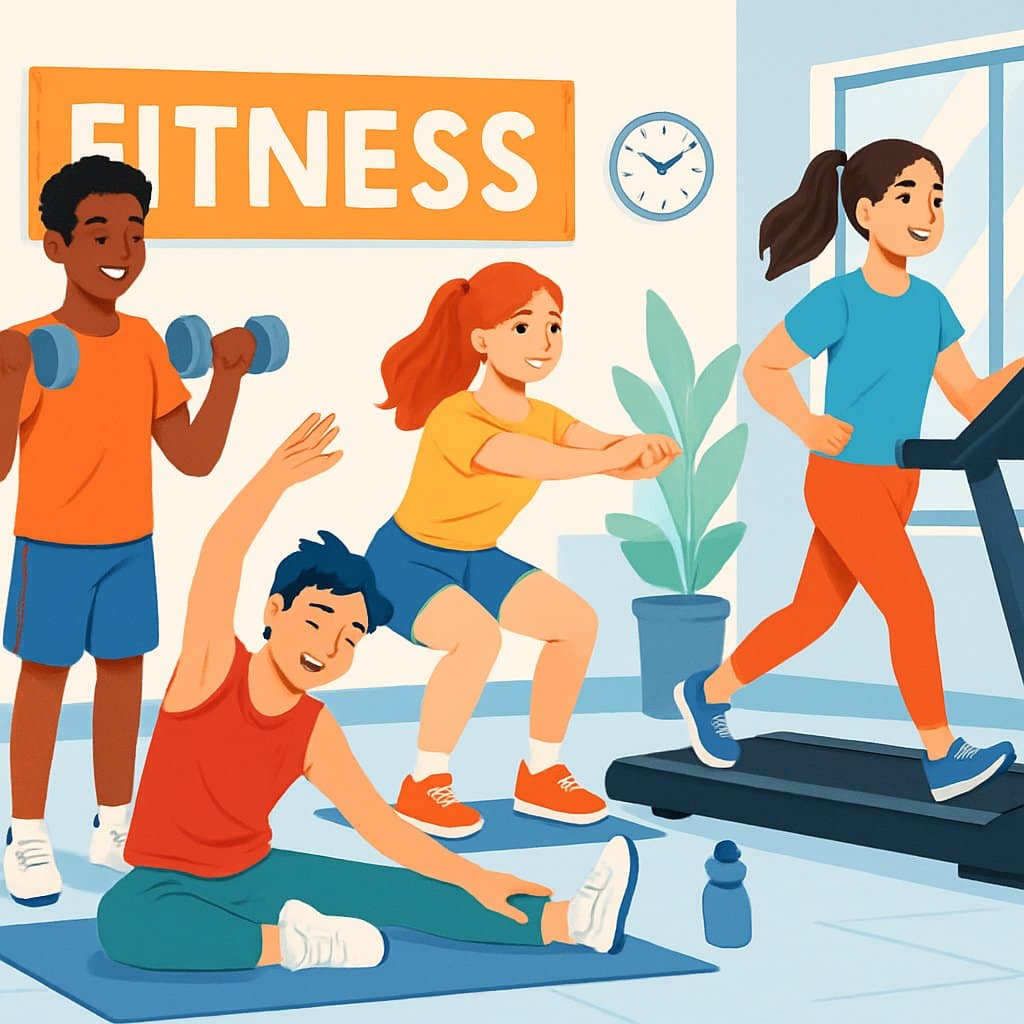
Building a solid foundation for teen fitness means understanding your body’s needs, making habits stick, and appreciating all the benefits regular exercise can bring.
Adolescence is when patterns set in for life, so this is the time to get moving.
Understanding the Importance of Exercise During Adolescence
Adolescence is a wild ride—your body’s changing fast. During this time, exercise helps your muscles, bones, and heart develop properly.
It’s a golden window for building strength and physical skills you’ll use forever. Your body responds really well to training at this age.
Studies show teens who exercise regularly end up with stronger bones, which lowers the risk of osteoporosis later on.
Physical activity also helps balance your hormones. That’s super important during puberty, when everything’s in flux.
Exercise can help manage stress hormones and boost the growth hormones you need right now.
Building Healthy Exercise Habits Early
Starting your fitness journey as a teen sets you up for habits that can last decades.
Consistency beats intensity, especially at the beginning. Try a simple plan with three or four sessions a week, each about 30-45 minutes.
Make exercise something you look forward to, not a drag. Pick stuff you actually like:
- Team sports (basketball, soccer, volleyball)
- Solo activities (swimming, running, cycling)
- Resistance training (just keep your form tight!)
- Fun stuff (hiking, skateboarding, dancing)
Jot down your progress in a fitness journal. Watching those small wins pile up is surprisingly motivating.
Benefits of Regular Physical Activity for Teens
Regular workouts are kind of a superpower for teens. Teenage exercise routines boost your heart health, build muscle, and help you stay at a healthy weight.
Physical Benefits:
- Stronger muscles and bones
- Better coordination and balance
- Improved sleep
- Lower risk of type 2 diabetes
- Healthier weight
Mental and Emotional Benefits:
- Less anxiety and depression
- Better mood (thanks, endorphins!)
- Sharper focus at school
- Higher self-esteem and body image
- More tools for handling stress
Exercise isn’t just good for your body or mind. Team activities can also help you make friends and feel more confident in other parts of life. That’s a win-win, right?
Core Principles of Effective Teenage Workouts
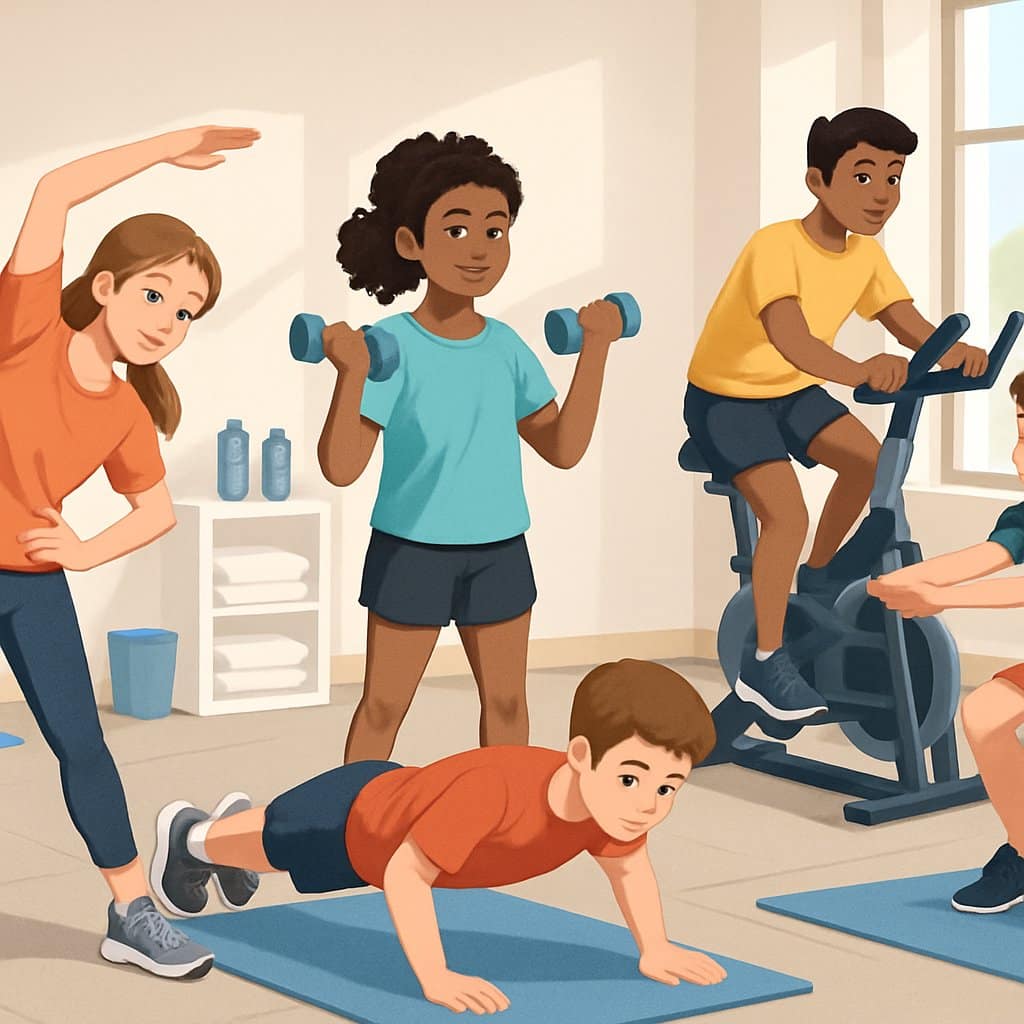
Building a workout routine as a teen? There are a few basics you don’t want to skip. Nail these, and you’ll get better results and stay safe.
Establishing a Solid Fitness Foundation
Start with a strong foundation. Bodyweight moves like push-ups, squats, and planks are your best friends early on.
Master the basics before you even think about adding weights. Key movement patterns include:
- Pushing (push-ups, bench press)
- Pulling (pull-ups, rows)
- Squatting (bodyweight squats, goblet squats)
- Hinging (bridges, deadlift variations)
Try two or three full-body workouts each week at first. That gives your muscles time to recover and builds consistency.
Don’t forget cardio—jogging, swimming, or cycling helps your heart keep up with your growing strength.
Principles of Progressive Overload
Progressive overload is how you keep getting stronger. Basically, you want to make your workouts a little tougher over time.
Here’s how you can do it:
- Add weight – Go up by 5-10% when your current weights feel easy.
- Add reps – Toss in 1-2 more reps per set once you hit your target with good form.
- Add sets – Move from 2 to 3 sets, or 3 to 4 as you get stronger.
- Shorten rest – Slowly cut down your rest time between sets.
Keep track of your workouts in a journal or app. It’s kind of cool to look back and see how far you’ve come.
Progress isn’t always a straight line. Some weeks you’ll crush it, other times you just maintain. That’s normal—don’t stress.
Proper Form and Range of Motion
Using good form is non-negotiable. It keeps you safe and makes sure you’re actually working the right muscles.
Start light so you can nail the movement. It’s way better to do it right with less weight than mess up with heavy weights.
Some form tips to keep in mind:
- Keep your spine neutral in every exercise
- Engage your core (don’t just let it flop!)
- Control the movement both ways—up and down
- Go through the full range of motion when possible
If you can, work with a qualified coach at first. Lots of schools or community centers offer affordable training for teens.
Record yourself or use a mirror to check your form. It feels a bit awkward, but it really helps.
Types of Workouts for Teenagers
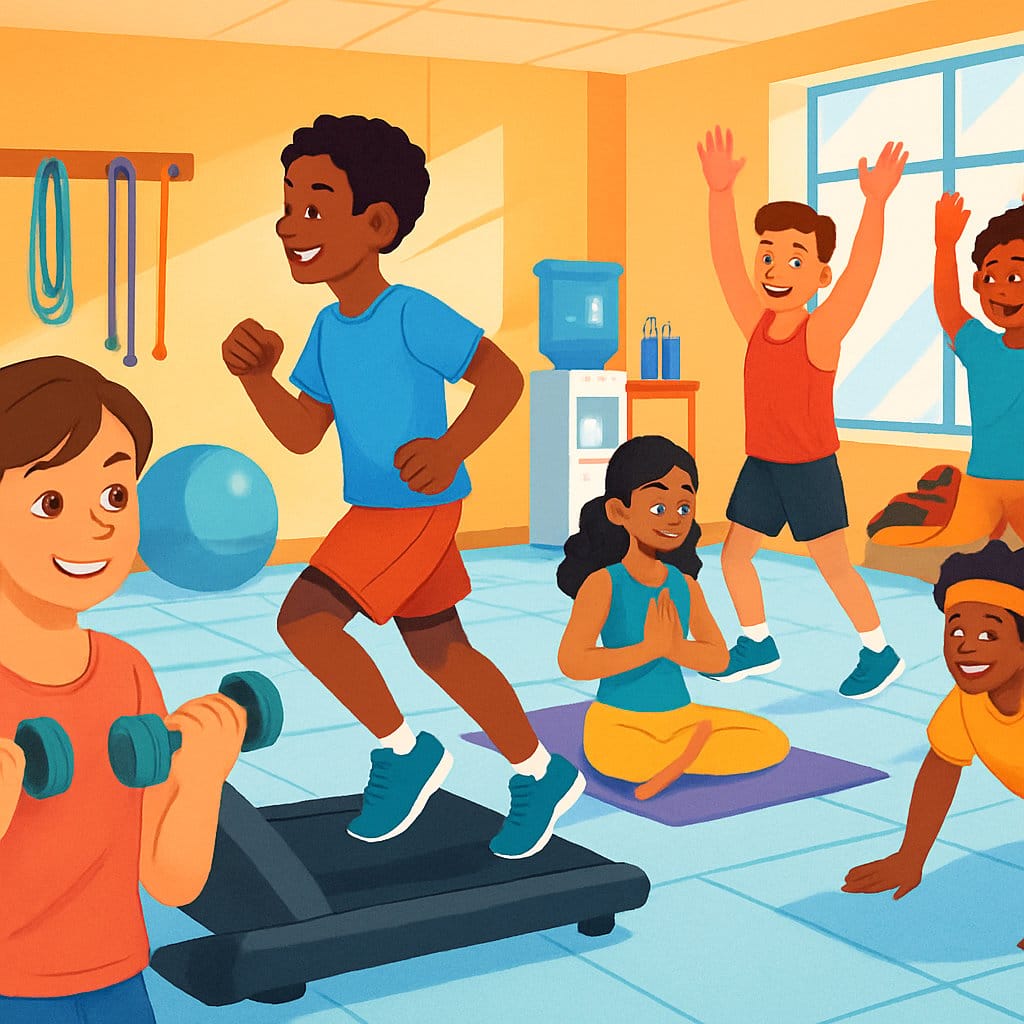
Teen workouts work best when you mix things up. Strength, cardio, and bodyweight exercises all help you build a solid foundation for life.
Strength Training Essentials
Strength training is huge for building muscle and bone during your growth years. You can safely start resistance training around ages 12-15 if you have good guidance.
Begin with light weights and focus on your form. A basic routine might look like:
- Upper body: Bench press, dumbbell rows, shoulder press
- Lower body: Squats, lunges, leg press
- Core: Planks, Russian twists, crunches
Do 2-3 sets of 8-12 reps for each move. Rest for a minute or two between sets. Beginners should train two or three times a week and always take a rest day between sessions.
Use a spotter if you’re lifting heavier. Good technique keeps you safe and gets you better results. Give your muscles 48 hours to recover after strength training.
Cardio Workouts and Cardiovascular Fitness
Cardio keeps your heart happy, boosts your energy, and helps you manage your weight. Cardiovascular exercise should be fun—otherwise, what’s the point?
Some solid cardio options for teens:
| Activity | Benefits | Recommended Duration |
|---|---|---|
| Running/Jogging | Improves endurance, easy to start | 20-30 minutes |
| Swimming | Full-body, low impact | 30-45 minutes |
| Cycling | Works your legs, gets you outside | 30-60 minutes |
| Team Sports | Social, lots of movement | 45-90 minutes |
Shoot for about 150 minutes of moderate cardio per week. Break it up into 20-30 minute chunks if that’s easier.
Mix in some high-intensity intervals for variety. Try sprinting for 30 seconds, walking for 90, and repeat. It keeps things interesting!
Bodyweight Training and Exercises
Bodyweight exercises don’t need any equipment at all. You can do them pretty much anywhere—bedroom, park, living room, you name it.
These moves build real-world strength by using your own body as resistance. That’s about as functional as it gets.
Key bodyweight exercises for teens include:
Foundational Movements:
- Push-ups (standard, modified, or incline)
- Pull-ups or chin-ups
- Squats and lunges
- Planks and mountain climbers
Try a simple circuit: do each exercise for 45 seconds, then rest for 15 seconds before the next move. Go for 3-4 rounds, taking a 2-minute break between each round.
Bodyweight training boosts coordination and body awareness, not just strength. Mix things up by changing your hand positions, slowing down the reps, or pausing at the hardest part.
Honestly, you can squeeze these into a 20-minute routine. Easy to fit into a busy teen schedule—no excuses!
Strength Training for Teenagers
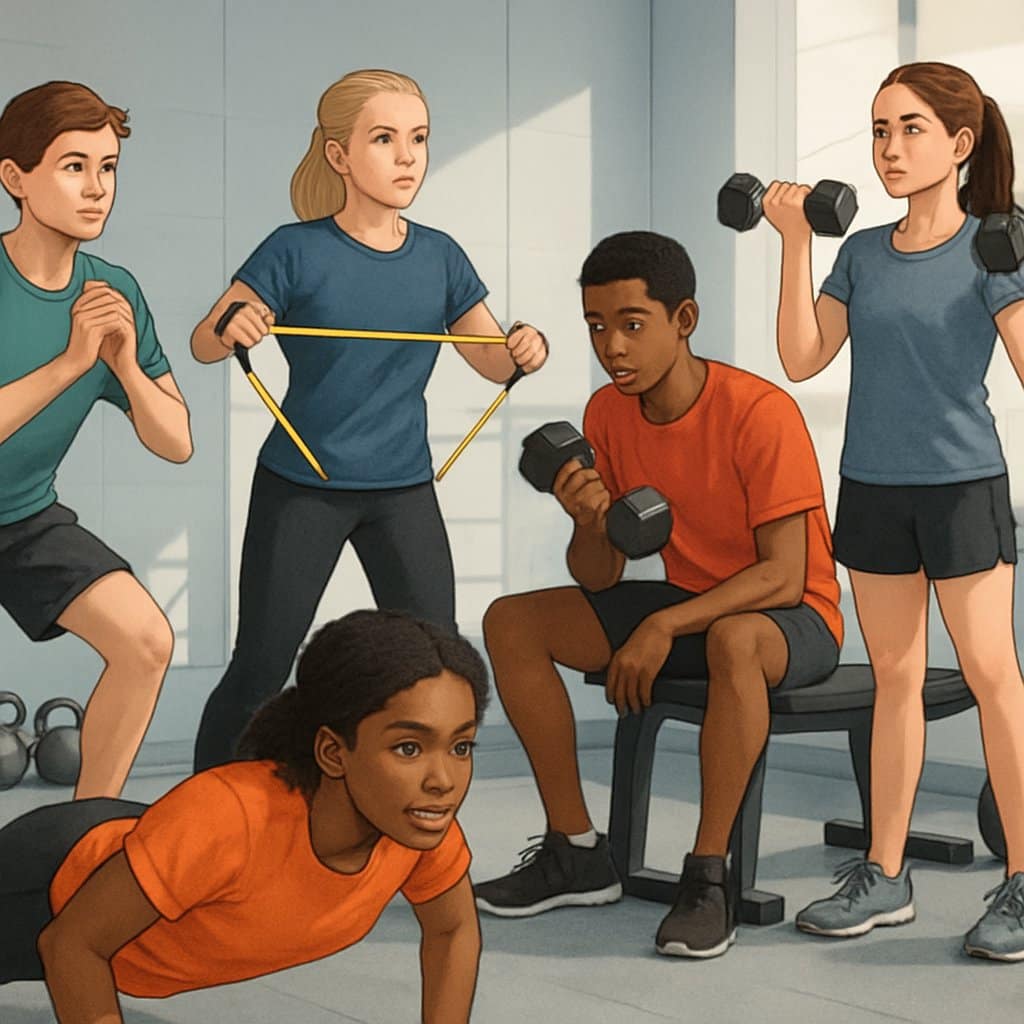
Strength training is a game-changer for teens. It helps with physical growth, sports, and just feeling better overall.
Building functional strength and improving body composition during these years? That’s a huge win.
Full-Body Workouts Versus Split Routines
Full-body workouts are usually best for beginners. You hit all the major muscle groups in one go and then get plenty of recovery time.
Shoot for 2-3 full-body sessions each week, with at least one day off in between. If you’re getting the hang of things, you might want to try split routines.
Split routines break training into body parts or movement patterns. Here’s an example:
- Day 1: Upper body (chest, back, shoulders, arms)
- Day 2: Lower body (legs, core)
- Day 3: Rest
- Repeat
Split routines work well if you’ve nailed your form and want to really target certain muscle building goals. But honestly, most teens should stick with full-body workouts at first to build a solid base of strength.
Compound Movements for Building Muscle
Compound movements are the backbone of any good strength program for teens. They use multiple joints and muscle groups at once, which means you get more bang for your buck.
Key compound exercises:
- Squats: Build lower body strength and core stability
- Bench press: Great for chest, shoulders, and triceps
- Deadlifts: Hammer your back, glutes, and hamstrings
- Pull-ups/rows: Strengthen back and biceps
Start with bodyweight versions to nail your form. Add dumbbells or barbells once you’re confident. Compound movements are essential for building muscle mass and strength efficiently.
Isolation Exercises and Their Role
Isolation exercises zoom in on specific muscle groups. These are great for fixing muscle imbalances or adding a bit of definition.
Some effective isolation moves for teens:
- Bicep curls for arms
- Lateral raises for shoulders
- Leg extensions for quads
- Calf raises for lower legs
Do isolation exercises after your main compound lifts. Use moderate weights and focus on solid form, not just heavy loads.
Isolation moves are cool but don’t let them take over your session—20-30% of your workout routines is plenty. The backbone of your teenage strength training program should always be compound lifts for the best results.
Cardio Options for Teen Teenagers
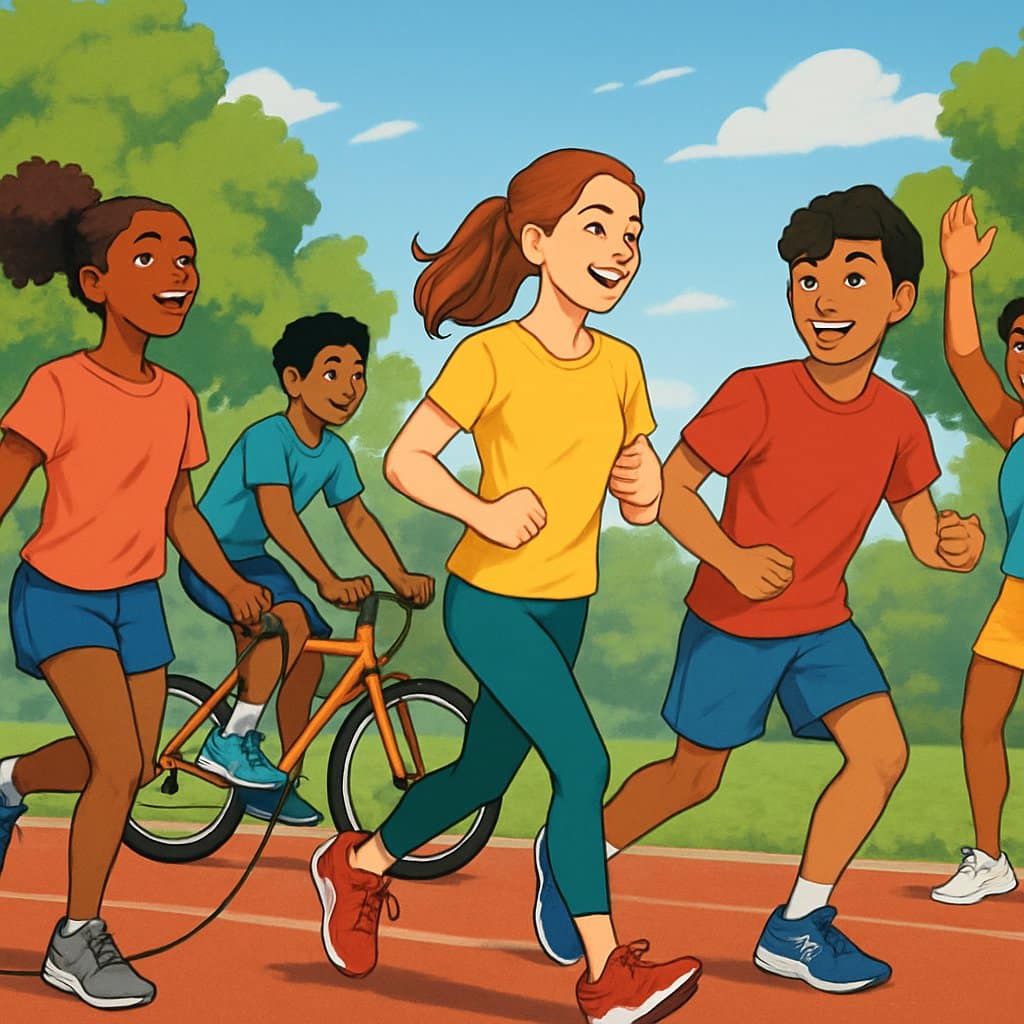
Cardio is key for teens. It builds endurance, burns calories, and keeps your heart ticking strong.
The best part? You can fit cardio into any schedule or fitness level. No need to overthink it.
High-Intensity Interval Training (HIIT)
HIIT workouts are awesome for busy teens. They alternate between short, intense bursts and quick recovery periods.
Try something simple: 30 seconds of burpees, 30 seconds rest, repeat 8 times. You’re done in 8 minutes, but you’ll definitely feel it.
Benefits of HIIT for teens:
- Burns more calories in less time
- Boosts cardiovascular fitness fast
- Needs zero equipment
- Keeps things interesting (and honestly, a little wild)
Try the “Tabata” style too: 20 seconds of all-out effort, 10 seconds rest, 8 rounds. Mix in jumping jacks, mountain climbers, or planks for variety.
Classic Cardio Exercises for Teens
Don’t forget about the classics. Traditional cardio is still fantastic for teen fitness and it’s easier to stick with long-term.
Best classic cardio options:
- Running or jogging (15-20 minutes is a good start)
- Swimming (total-body, low impact)
- Cycling (outdoors or stationary)
- Jump rope (seriously burns calories)
- Dance (fun and great for coordination)
Mix up your cardio to keep things fresh and hit different muscles. Aim for 20-30 minutes 3-5 times per week.
Just starting out? Go for 10-15 minutes and build up as your cardio fitness improves. Always warm up for at least 5 minutes before anything intense.
Best Bodyweight Exercises for Teens
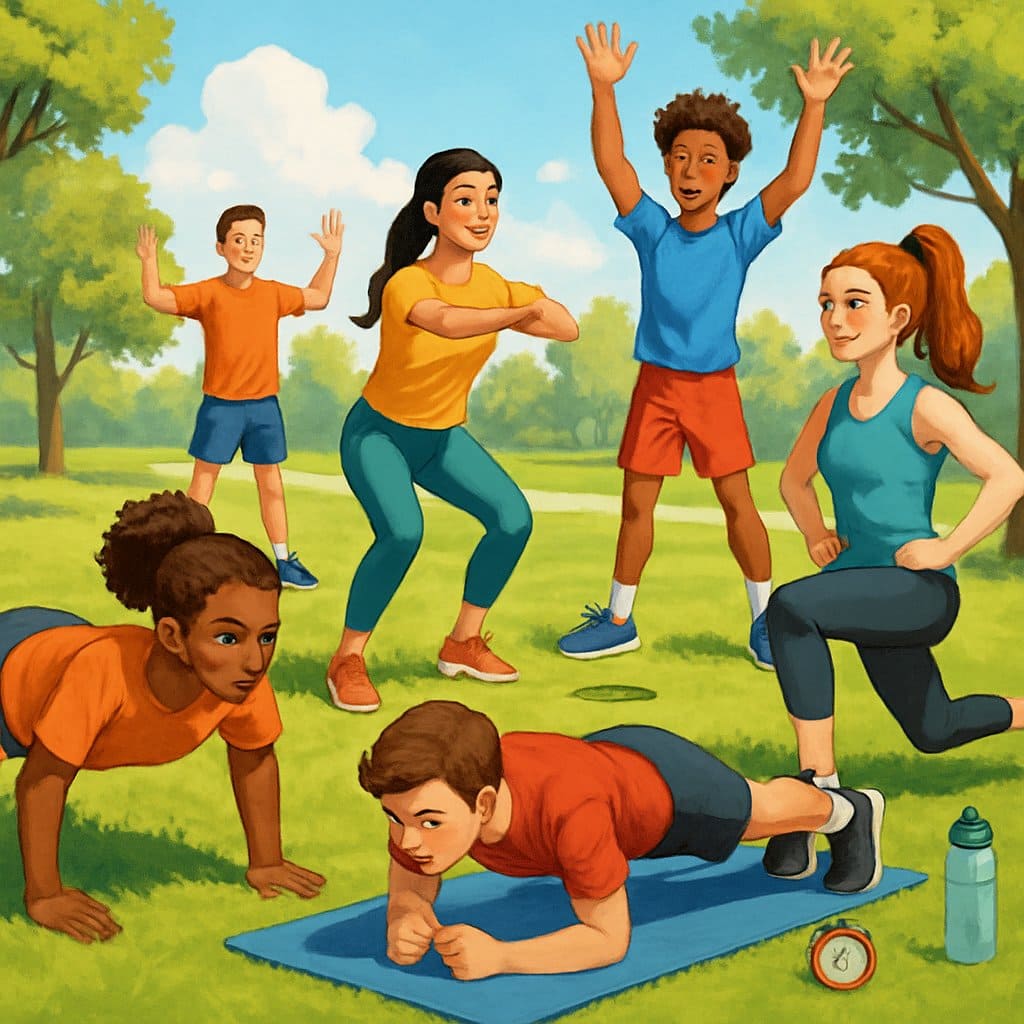
Bodyweight exercises are a teen’s best friend—no gear, no problem. They build strength, boost flexibility, and help you learn good form before you ever pick up a dumbbell.
Push-ups and Their Variations
Push-ups are a go-to upper body move. They hit your chest, shoulders, triceps, and core all at once.
Standard Push-up: Start in a plank with hands shoulder-width apart. Lower down until your chest is close to the floor, then press back up.
Just starting? Try these:
- Knee Push-ups: Do them with your knees on the ground
- Incline Push-ups: Put your hands on a bench or stairs
Want more challenge? Mix it up with these:
- Wide-grip push-ups: Hands wider than shoulders to target chest
- Diamond push-ups: Hands close together for triceps
- Decline push-ups: Feet up on a bench or step for extra difficulty
Go for 3 sets of 8-12 reps. Focus on clean form—don’t just crank out sloppy reps.
Squats, Lunges, and Lower Body Moves
Lower body moves are crucial for building muscle and athletic skills.
Bodyweight Squats: Stand with feet shoulder-width apart. Bend your knees and push hips back like you’re sitting down. Keep your chest up and knees over your toes.
Lunges: Step forward, lower until both knees are at 90 degrees. Push through your front heel to stand back up.
Hip Bridges: Lie on your back, knees bent, feet flat. Lift your hips, squeeze your glutes, then lower down.
Try this lower body circuit:
- 15 bodyweight squats
- 10 lunges per leg
- 12 hip bridges
- Rest 60 seconds, repeat 3 times
These moves hit your quads, hamstrings, glutes, and calves—the muscles you need for pretty much everything.
Core Strength Exercises
A strong core makes a big difference for posture, stability, and overall fitness. You’ll target your abs, obliques, and lower back.
Planks: Hold a push-up position on your elbows. Keep your body straight from head to heels. Aim for 30 seconds, then try to go longer as you get stronger.
Mountain Climbers: Start in a plank and drive your knees toward your chest, one at a time. It’s a core move that also gets your heart rate up.
Russian Twists: Sit with knees bent, feet off the floor. Twist your torso side to side, tapping the ground next to your hips.
Try this core routine:
- 30-second plank
- 20 mountain climbers
- 15 Russian twists
- 15-second rest between each
- Repeat 3 times
Do core work 2-3 times a week. Don’t forget to breathe—holding your breath just makes it harder.
Upper Body Movements: Dips, Pull-ups, and Chin-ups
These moves build serious upper body strength. They’re perfect for gaining muscle as a teen—no gym needed.
Dips: Use parallel bars, sturdy chairs, or even your bed. Lower down by bending your elbows to 90 degrees, then push back up.
Pull-ups: Grab a bar with palms facing away. Pull yourself up until your chin clears the bar. If that’s tough:
- Try a resistance band for help
- Do negative pull-ups: jump up, then lower yourself slowly
Chin-ups: Same idea, but palms face you. These hit your biceps a bit more.
Inverted Rows: Lie under a sturdy table or low bar, grab the edge, and pull your chest up while keeping your body straight.
Start with whatever you can manage—even one or two reps is a win. Stick with it, and you’ll see progress. Aim for 3 sets, resting 1-2 minutes between each.
Creating the Best Workout Plan for Teenagers
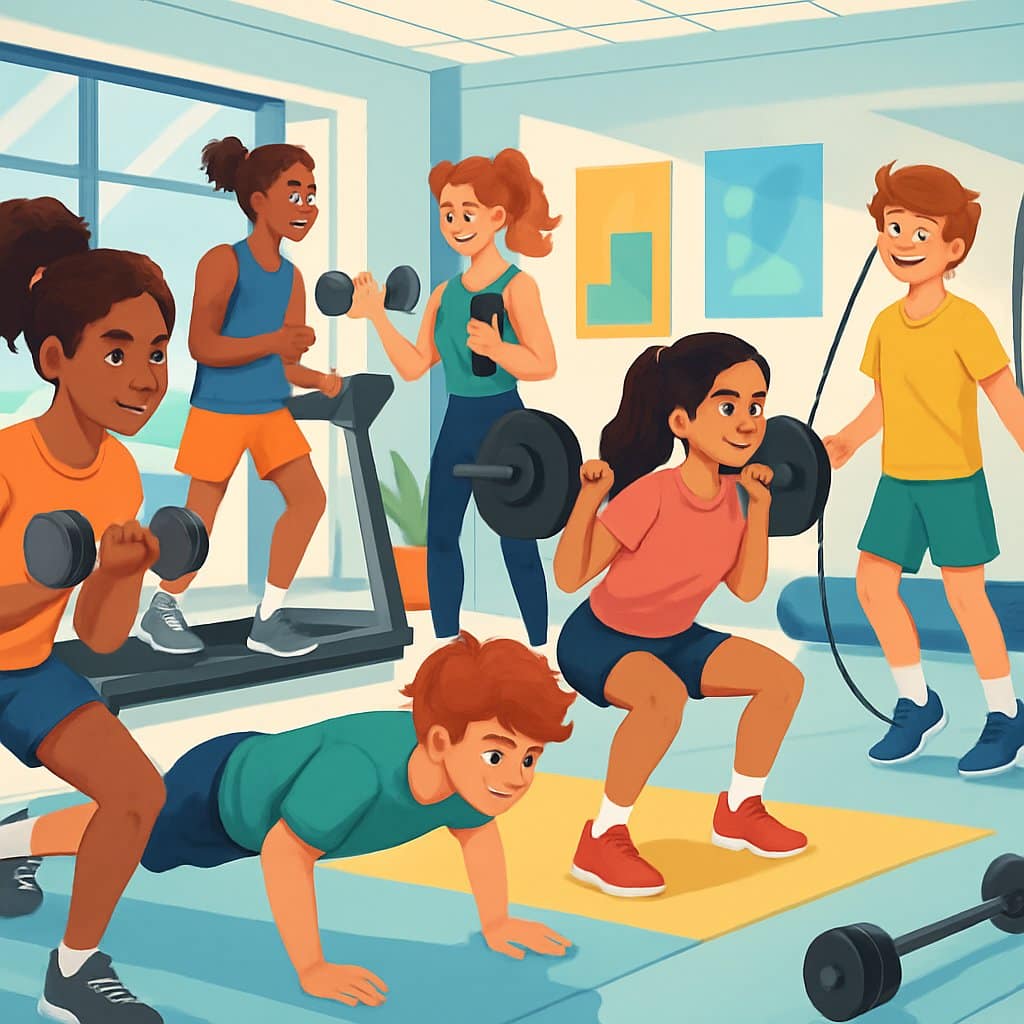
Building an effective workout plan as a teen sets you up for fitness that lasts. The trick is balancing different types of exercise and finding routines that actually fit your life.
Structuring a Balanced Weekly Workout Routine
A solid workout routine for teens usually means 3-4 days of exercise a week. If you’re just starting out, 2-3 days is plenty.
Your weekly plan should include:
- Strength training: 2-3 days per week, with at least 24 hours between sessions
- Cardio: 2-3 days for 30-45 minutes
- Flexibility/mobility: 5-10 minutes after each workout
On strength days, go for compound moves that hit several muscle groups at once. These give you the most bang for your buck.
Try this basic split:
- Monday: Full body or upper body
- Wednesday: Active recovery—think light cardio or some sports
- Friday: Full body or lower body
Start with good form before you think about adding weight. If you can, get a coach to check your technique for safety.
Workout Plans for Home and the Gym
You don’t need a fancy gym to get in shape. Great workouts can happen pretty much anywhere.
Home Workout Plan:
- Push-ups: 3 sets of 8-12 reps
- Bodyweight squats: 3 sets of 12-15 reps
- Plank: 3 sets of 30-60 seconds
- Jumping jacks: 3 sets of 30 seconds
- Walking lunges: 3 sets of 10 per leg
Gym Workout Plan:
If you have access to a weight room, try this:
- Warm-up: 5-10 minutes of light cardio
- Main exercises:
- Dumbbell bench press: 3 sets of 8-12 reps
- Goblet squats: 3 sets of 10-15 reps
- Lat pulldowns: 3 sets of 10-12 reps
- Dumbbell lunges: 3 sets of 10 per leg
Always start light to nail your form. Once you feel solid, bump up the weight a bit at a time.
Special Considerations for Teen Athletes
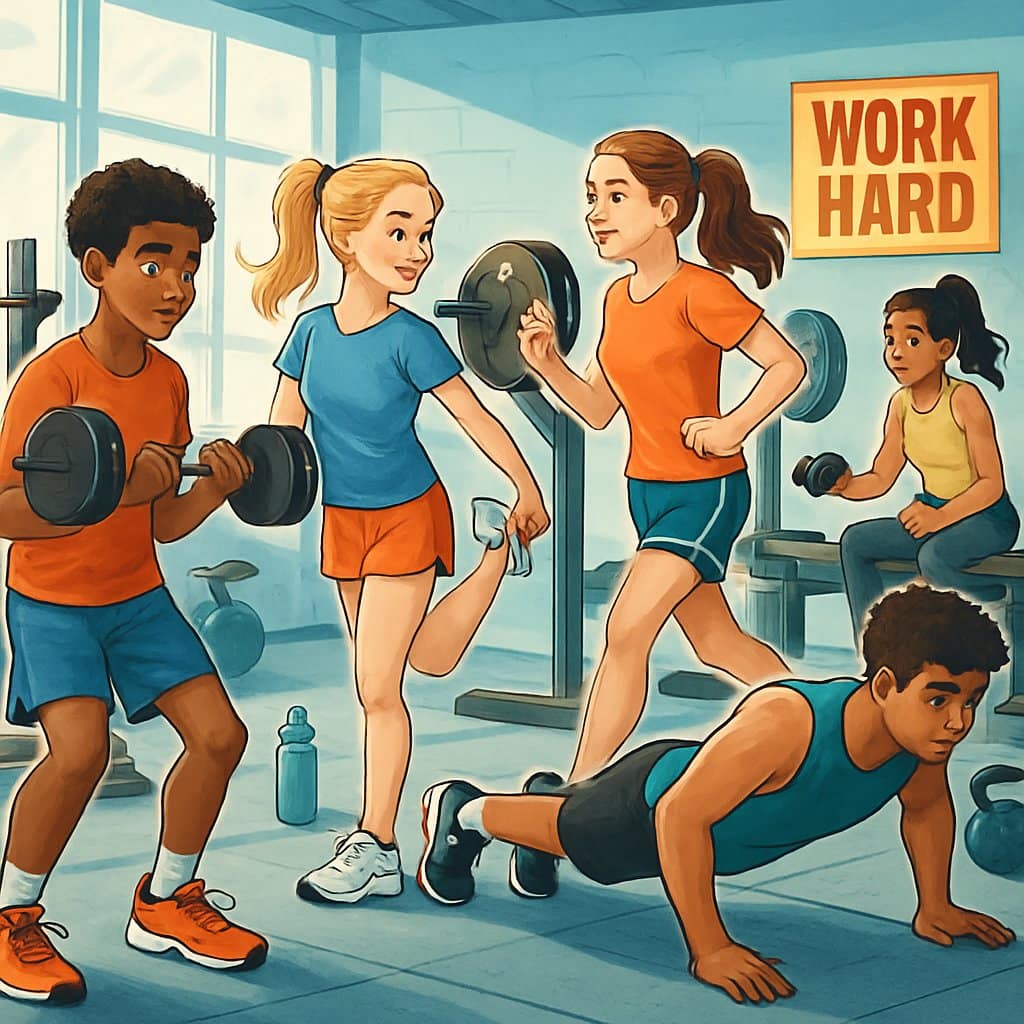
Teen athletes need training plans that balance performance and safety. Every sport is a little different, but all young athletes need smart strategies to avoid injuries and make the most of their natural growth spurts.
Supporting Athletic Performance and Injury Prevention
Teen bodies change fast, which can help you get stronger but also makes things tricky. During these years, your body pumps out more testosterone and growth hormone, so muscle growth and recovery come easier—if you train smart.
Warm-ups matter. Spend 10-15 minutes on dynamic stretches before you go hard. It really does cut down on injury risk and gets you ready to perform.
Top injury prevention tips:
- Increase training intensity slowly—no more than 10% per week
- Take at least 1-2 rest days between tough sessions
- Master form before adding weight or new challenges
- Stay hydrated before, during, and after you work out
Balance is everything. Overtraining can mess with your growth plates—seriously, don’t push through pain that won’t go away.
Adapting Workouts for Specific Sports
Every sport has its own demands. Your workout plan should actually fit the skills and muscles you use most.
Sport-Specific Training Focus:
| Sport | Primary Focus | Secondary Focus |
|---|---|---|
| Basketball | Vertical leap, agility | Upper body strength |
| Swimming | Core strength, shoulder stability | Leg power |
| Soccer | Lower body power, endurance | Core stability |
| Football | Overall strength, explosiveness | Position-specific skills |
If you’re into endurance sports like running or swimming, throw in interval training 2-3 times a week. It boosts cardio way more than just steady jogging or laps.
For power sports like football or basketball, stick with compound lifts to build real strength. Stuff like squats, deadlifts, and push-ups help you move explosively.
Technique always comes first. Bad form now can mean injuries later, and nobody wants that.
Additional Wellness Tips for Teen Fitness
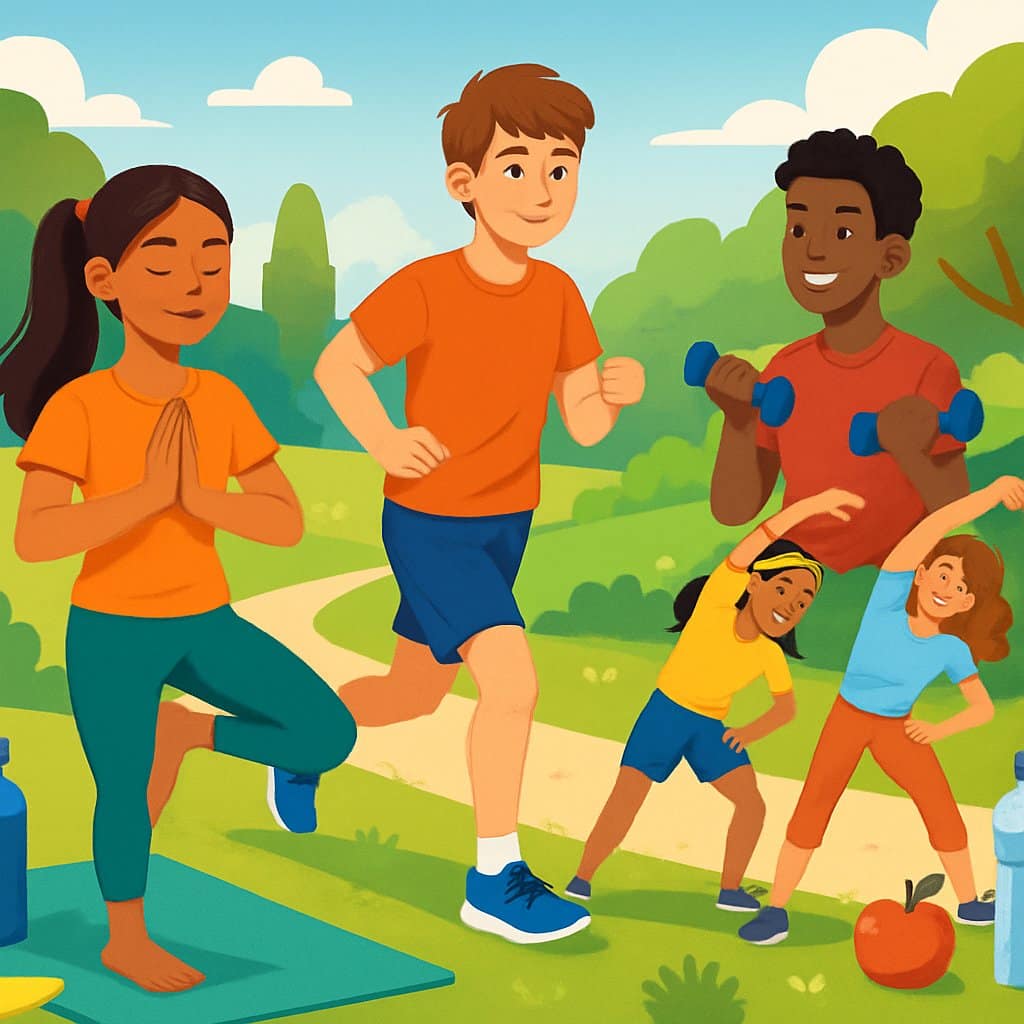
Teen fitness isn’t just about workouts. Your body needs the right fuel, enough sleep, and honestly, a bit of motivation to really thrive during these wild growth years.
The Role of Nutrition in Muscle Growth
Your teen body actually needs more nutrients than you might guess. Protein is key for muscle building—aim for 0.8-1 gram per pound of body weight per day.
Complex carbs give you energy for tough workouts. Whole grains, fruits, and veggies should be regulars on your plate.
Don’t forget healthy fats. They help make hormones like growth hormone, which is super important right now. Avocados, nuts, and olive oil? Yes, please.
Key nutrients for muscle growth:
- Protein: Lean meats, eggs, dairy, beans, tofu
- Carbs: Whole grains, fruits, vegetables
- Healthy fats: Nuts, seeds, avocados
- Calcium: Dairy, fortified plant milks, leafy greens
Water’s easy to forget but super important. Try for 8-10 glasses a day, and more if you’re sweating a lot.
Rest, Recovery, and Sleep for Teenagers
Your muscles grow when you rest, not when you train. Give each muscle group at least 48 hours off between sessions so they can repair and get stronger.
Sleep is kind of a secret weapon. During deep sleep, your body releases growth hormone, which helps you build muscle and stay lean. Teens should shoot for 8-10 hours a night—easier said than done, I know.
Overtraining will slow you down and can mess with your growth. If you feel wiped out all the time, can’t perform, or get hurt a lot, take a step back.
Recovery tips for teens:
- Do light stretching or yoga on rest days
- Warm up and cool down every session
- Foam roll tight muscles
- Try Epsom salt baths for soreness
Pay attention to what your body tells you. Soreness is normal, but sharp pain? That’s your cue to stop and maybe check in with a trainer.
Staying Motivated and Tracking Progress
Set real goals you can measure. “I want to do 10 push-ups” beats “I want to get stronger” any day.
Track your workouts—use a journal or an app. Jot down exercises, sets, reps, and how you felt. It’s cool to look back and see how far you’ve come.
Take progress pics every month or so instead of obsessing over the scale. Your body changes shape faster than it changes weight, especially as a teen.
Workout buddies make everything better. Exercise with friends to keep things fun and keep each other on track.
Celebrate the little wins. Did you add weight to your squat? Finish a workout without stopping? Those moments matter and help build good habits.
Change up your routine every month or so. Keeps things interesting and your muscles guessing.
Common Mistakes to Avoid in Teenage Workouts
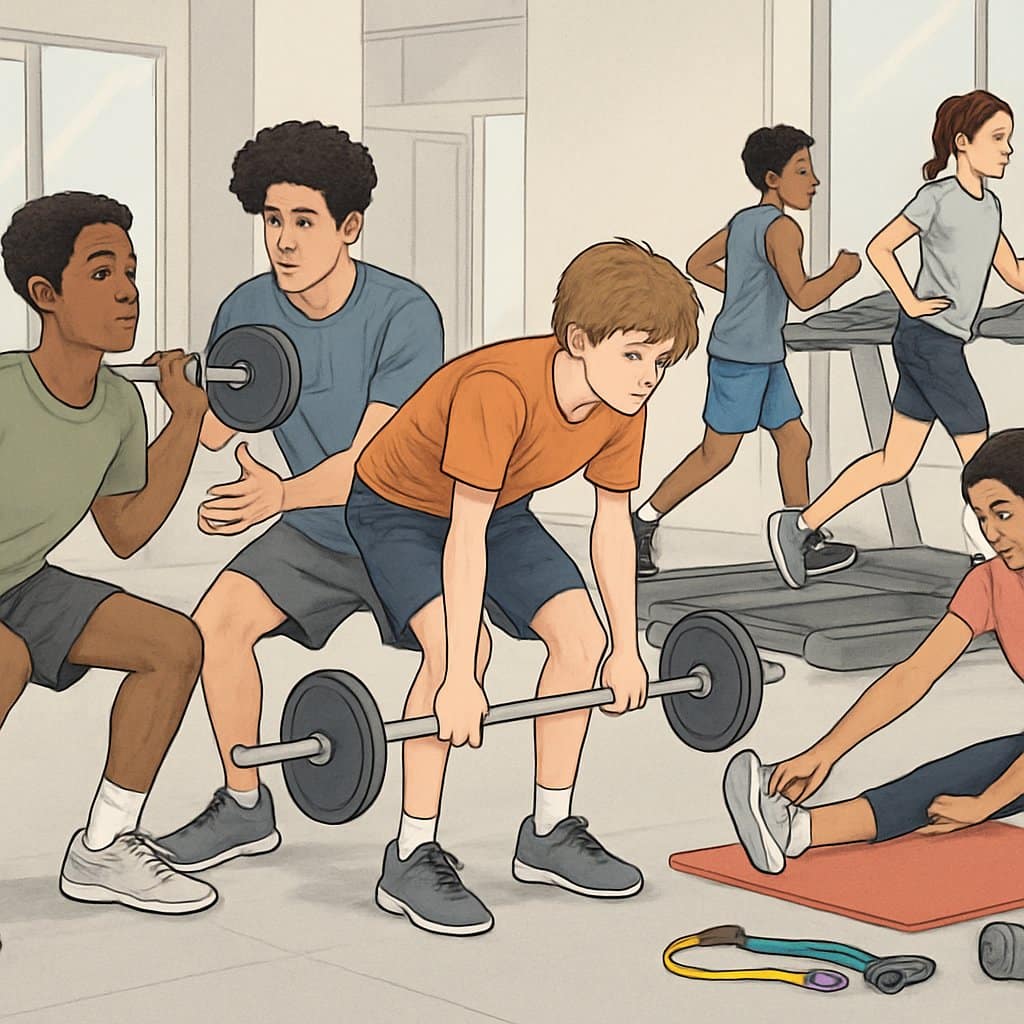
Teens sometimes fall into a few classic traps when they start working out. These mistakes can slow your progress or even cause injuries if you’re not careful.
Overtraining and Its Consequences
Pushing yourself too hard, too fast is super common. Your body needs recovery time, especially when you’re still growing.
Some signs you’re overdoing it:
- Muscles always sore
- Performance drops
- Getting sick a lot
- Trouble sleeping
- Mood swings
Keep intense workouts to 3-4 days a week, and make sure you’re taking rest days. Early teens (12-15) are about building habits, but recovery matters just as much as training.
Increase weights or reps in small steps—think 5-10% at a time. Slow and steady wins here, trust me.
Neglecting Warm-up and Cool-down
So many teens skip warming up and cooling down, just itching to jump straight into the “real workout.” But honestly, that’s risky and bumps up your chance of getting hurt.
A proper warm-up gets your muscles and joints ready to move. It does this by:
- Boosting blood flow to your muscles
- Helping you move better and stretch further
- Getting your head in the game for what’s coming
Take 5-10 minutes for dynamic stretches and some light cardio before you dive in. Then, after your workout, spend another 5-10 minutes on static stretches, holding each for about 20-30 seconds.
Influence of Social Media on Teen Fitness Routines
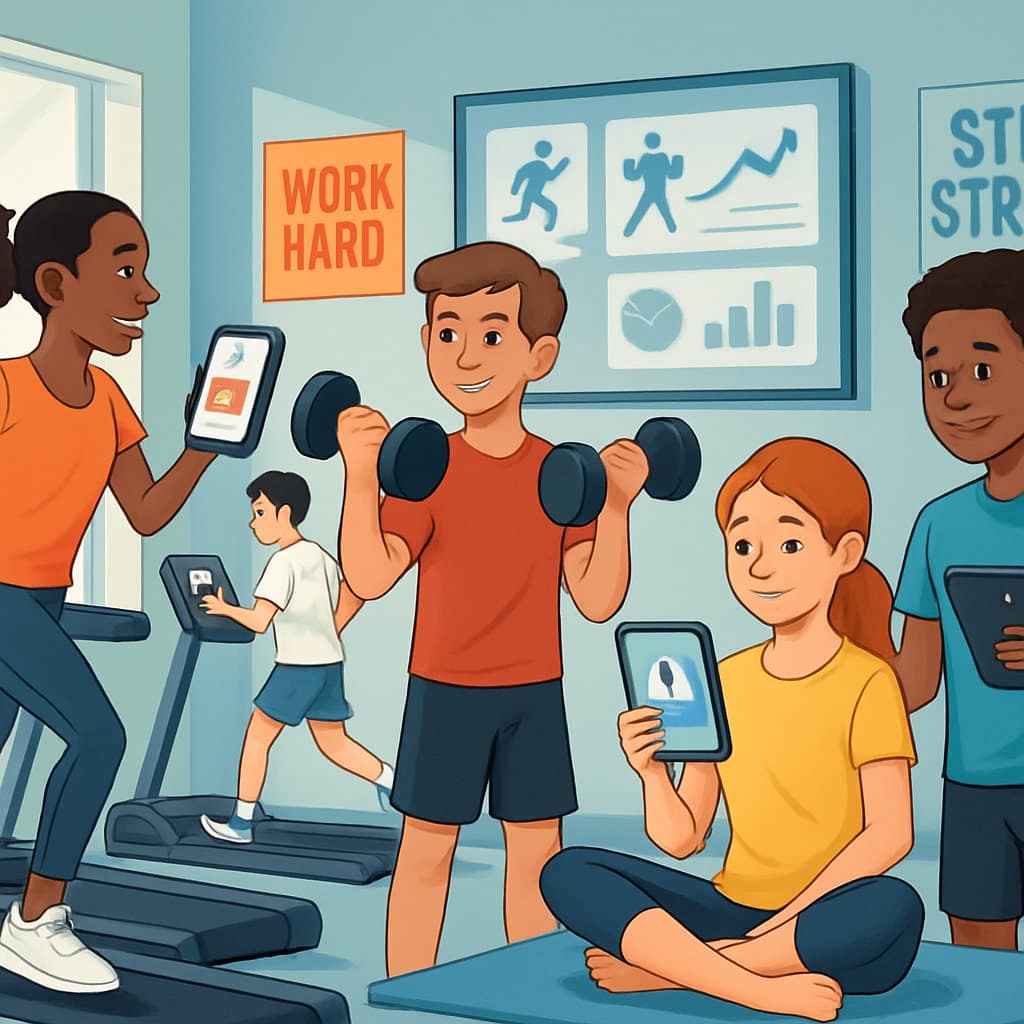
Social media has totally changed how teens find and follow fitness stuff. It’s a double-edged sword—there’s a lot of cool content, but also some pitfalls.
The Role of Instagram and Online Trends
Instagram is basically ground zero for teen fitness inspiration. The constant stream of workout routines and transformation pics can seriously motivate you.
But, let’s be real—not all of it’s healthy. Some influencers push wild body standards or hype up sketchy supplements that prey on insecurities.
Trends like challenges and quick workout videos can be awesome if they teach good form and realistic routines. A lot of teens find their people through fitness hashtags and groups that keep everyone on track.
For teen girls especially, social media can open doors to exercises that might otherwise feel out of reach because of cultural stuff or social pressure.
Finding Credible Workout Plans Online
If you’re hunting for the best workout plan online, don’t just follow the first influencer you see. Check if the person knows their stuff—look for real credentials in fitness or sports science.
Fitness apps and social media can give you structured programs that actually fit your level. The good ones offer:
- Exercises that make sense for your age
- Clear demos for proper form
- Workouts that get harder as you improve
- Advice on when to rest
Social media interventions work best when they’re interactive and have a real sense of community. The top workout resources out there keep teen needs in mind—stuff like growth spurts and bodies still developing.
Honestly, what helps your friend might not work for you. Try to find routines that fit your goals, experience, and what you actually enjoy doing.
Integrating Flexibility and Mindfulness Into Workouts
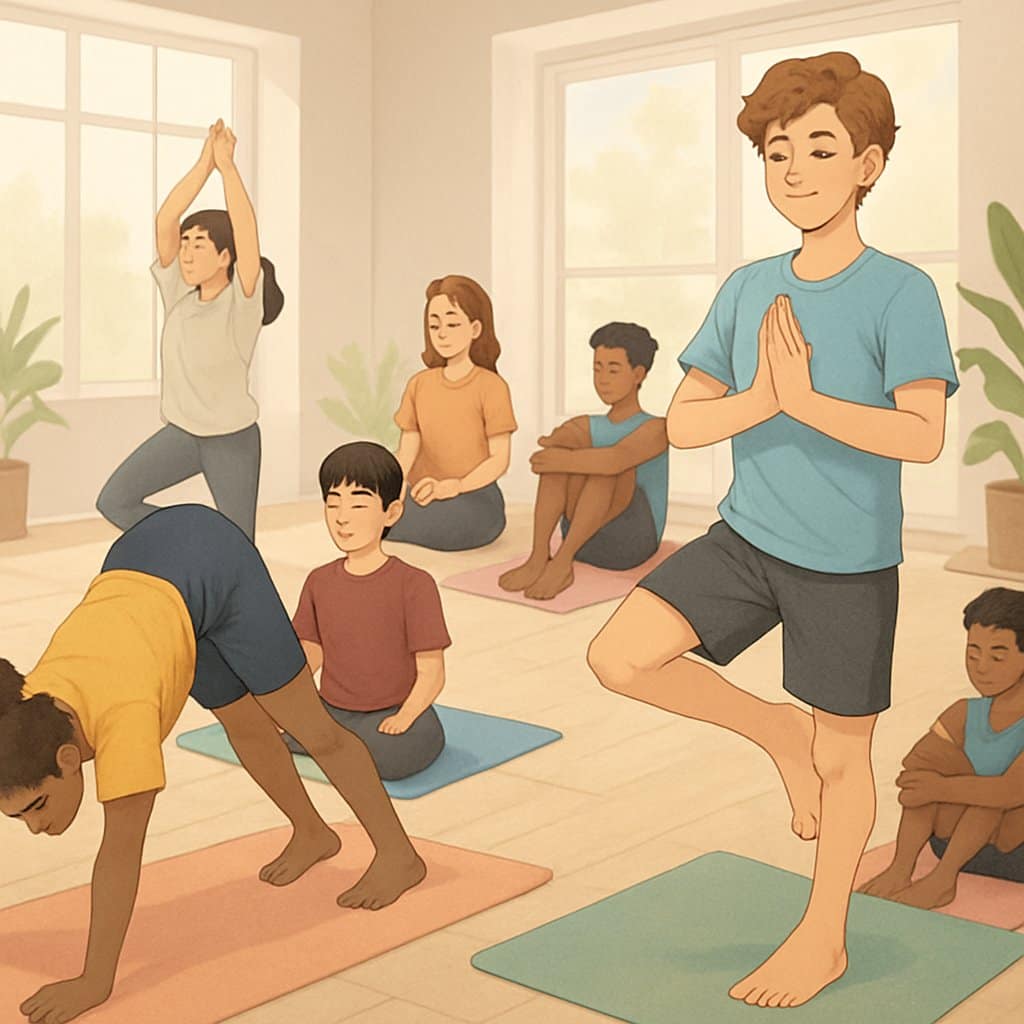
Flexibility and mindfulness exercises can really change up a teen’s fitness routine. You’ll recover faster, stress less, and probably just feel better overall. These go hand-in-hand with your strength and cardio days.
Yoga and Stretching for Teenagers
Yoga is a solid way for teens to get more flexible and build core strength. Even basic stuff like downward dog, child’s pose, or warrior poses for 10-15 minutes a day can make a difference.
No fancy gear needed—just a mat and comfy clothes. A lot of teens say yoga helps with school stress and keeps them moving.
Try adding these stretches after your workouts:
- Hold each one for 20-30 seconds
- Hit the big muscle groups—hamstrings, quads, shoulders
- Breathe deep and don’t rush it
- Shoot for 3-5 minutes of stretching when you’re done
Dynamic stretches before you work out warm up your muscles. Static stretches after help you recover and get bendier over time.
Mindful Approaches to Exercise
Mindfulness can turn a regular workout into something way more enjoyable and effective. When you exercise mindfully, you really notice how your body feels instead of just zoning out or rushing through.
Curious how to do it? Try these:
- Focus on your breathing while you move
- Pay attention to which muscles are firing with each exercise
- Put your phone away and ditch the distractions
- Set a quick intention before you start
Teens who get into mindful exercise often say it helps them focus better, both at school and in sports. It can also clue you in when you’re overdoing it or, honestly, when you could step it up a bit.
Mindfulness boosts your mind-body connection so your workouts actually feel more efficient. Over time, you’ll start to tell the difference between good, challenging effort and those warning signals your body sends when something’s off.
Certified coaches who make training fun and consistent at home, with parents welcome. Background checks available on request.
See kids & teens training