Recovery and Injury Prevention for Women Over 50: Fitness Edition
TL;DR
Women over 50 face increased injury risks due to age-related changes in balance, bone density, and muscle strength. A comprehensive prevention approach includes regular balance and flexibility exercises, proper movement techniques, stretching routines, medical monitoring, and recovery tools like foam rollers. Regular check-ups, awareness of medication effects, and targeted strength training are essential for maintaining mobility and independence while reducing fall and injury risks.
As a woman over 50, you may have noticed changes in your body that affect your mobility and balance. These changes can increase your risk of falls and injuries, which can have serious consequences for your health and quality of life. However, there are steps you can take to prevent injuries and ensure your safety.
Understanding the risks and hazards that come with aging is the first step in preventing injuries. As you age, your bones and muscles weaken, your reflexes slow down, and your vision and hearing may decline. These changes can make you more vulnerable to accidents and injuries, such as falls, fractures, and strains. It’s important to be aware of these risks and take measures to reduce them.
Recovery and Injury Prevention for Women Over 50 requires a comprehensive approach that includes focusing on balance and flexibility, paying attention to your movement and posture, and incorporating stretching and range of motion exercises into your routine. Additionally, it’s important to be aware of any medical conditions or medications that may affect your balance and mobility and to schedule regular check-ups and screenings to monitor your health. Using foam rollers and other tools for recovery can also help prevent injuries and promote healing.
🔑 Key Takeaways
- ✓
Age-related risks are real: Women over 50 experience weakened bones, slower reflexes, and reduced vision/hearing, making injury prevention critical for maintaining quality of life. - ✓
Balance and flexibility are foundational: Incorporate yoga, Pilates, tai chi, and balance exercises at least 30 minutes most days to reduce fall risk and improve coordination. - ✓
Proper form prevents injuries: Focus on correct technique during exercise, strengthen your core, and consider working with a personal trainer to avoid sprains and tendonitis. - ✓
Stretching and range of motion are non-negotiable: Regular static and dynamic stretching improves flexibility, reduces pain, and prevents muscle stiffness and soreness. - ✓
Medical monitoring matters: Schedule regular check-ups for bone density,blood pressure , and chronic condition management; be aware of how medications affect balance and mobility. - ✓
Recovery tools accelerate healing: Use foam rollers for muscle massage, massage balls for targeted relief, resistance bands for strength, and yoga blocks for modified poses. - ✓
Home safety modifications prevent falls: Install grab bars, use non-slip mats, remove clutter, and ensure proper lighting to create a safer living environment.
Recovery and Injury Prevention for Women Over 50
As a woman over 50, it’s important to understand the risks and hazards that can lead to injuries and illnesses. By being aware of these risks, you can take steps to protect yourself and prevent accidents from happening in the first place.
High and Low Risk Activities
To start, it’s helpful to understand which activities are considered high and low risk. This can help you make informed decisions about what activities to engage in and what precautions to take.
| High Risk Activities | Low Risk Activities |
|---|---|
| Driving at night or in poor weather conditions | Walking on well-lit, even surfaces |
| Climbing ladders or stairs without proper support | Doing gentle yoga or stretching exercises |
| Handling heavy objects without assistance | Swimming or water aerobics |
| Cooking with hot oil or open flames | Reading or doing puzzles |
| Engaging in contact sports or high-impact exercise | Gardening or light yard work |
Falls and Injuries
Falls are a major hazard for older adults and can lead to serious injuries or even death. To prevent falls, it’s important to take steps to make your home and environment as safe as possible. This can include installing grab bars in the bathroom, using non-slip mats, and removing clutter from walkways. Regular exercise can also help improve balance and reduce the risk of falling.
Health and Illnesses
As you age, you may be at increased risk for certain health conditions, such as cancer, dementia, and vision problems. It’s important to stay up-to-date with regular check-ups and screenings .and to seek medical attention if you notice any concerning symptoms. Maintaining a healthy diet and staying physically active can also help reduce the risk of many health conditions.
Workplace Hazards
If you work outside of the home, it’s important to be aware of potential workplace hazards. This can include exposure to chemicals, repetitive motion injuries, and violence. Be sure to follow proper safety protocols and report any concerns to your employer.
By understanding the risks and hazards that can impact your health and safety, you can take steps to protect yourself and prevent accidents from happening. Stay informed, stay proactive, and prioritize your health and well-being.
Preventing Injuries: A Comprehensive Approach
As a woman over 50, it’s important to take a comprehensive approach to injury prevention. This means focusing on multiple areas of your health and wellness to reduce your risk of injury and ensure your safety. Here are some key areas to consider:
Balance and Coordination
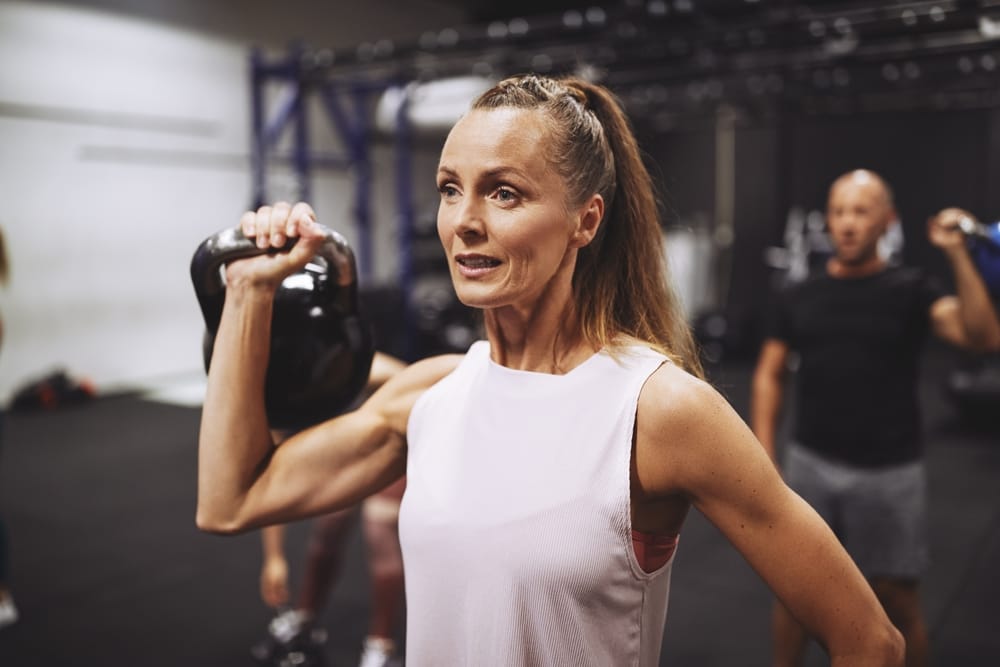
Maintaining good balance and coordination is essential for preventing falls and other injuries. Incorporating exercises that challenge your balance, such as yoga or Pilates, can help improve your balance and coordination. Additionally, resistance training can help improve your overall strength and stability, which can further reduce your risk of injury.
Proper Form and Technique
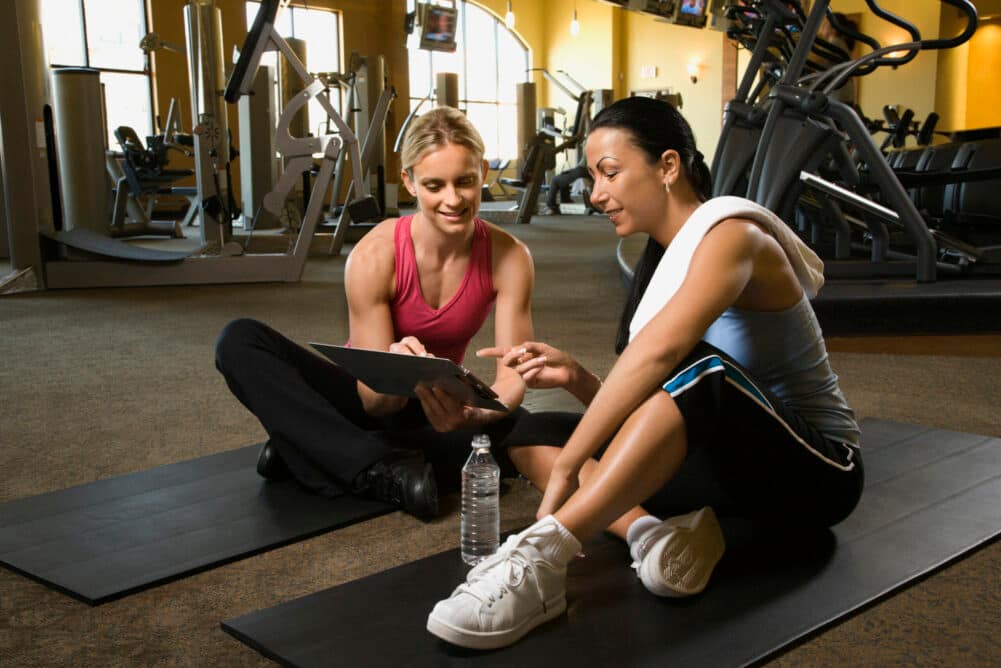
Whether you’re lifting weights, running, or doing any other type of exercise, it’s important to use proper form and technique. This can help reduce your risk of sprains, tendonitis, and other injuries. Consider working with a personal trainer to ensure you’re using proper form and technique.
Core Strength
Having a strong core can help improve your balance and stability, which can reduce your risk of falls and other injuries. Incorporating exercises that target your core, such as planks or sit-ups, can help improve your core strength.
Healthcare Provider Visits
Regular visits with your healthcare provider can help identify any health and safety risks you may be facing. This can include monitoring your
By taking a comprehensive approach to injury prevention, you can reduce your risk of injury and ensure your safety. Incorporating exercises that improve your balance, coordination, and core strength, as well as using proper form and technique, can all help prevent injuries. Regular visits with your healthcare provider can also help identify any potential health and safety risks.
Focus on Balance and Flexibility
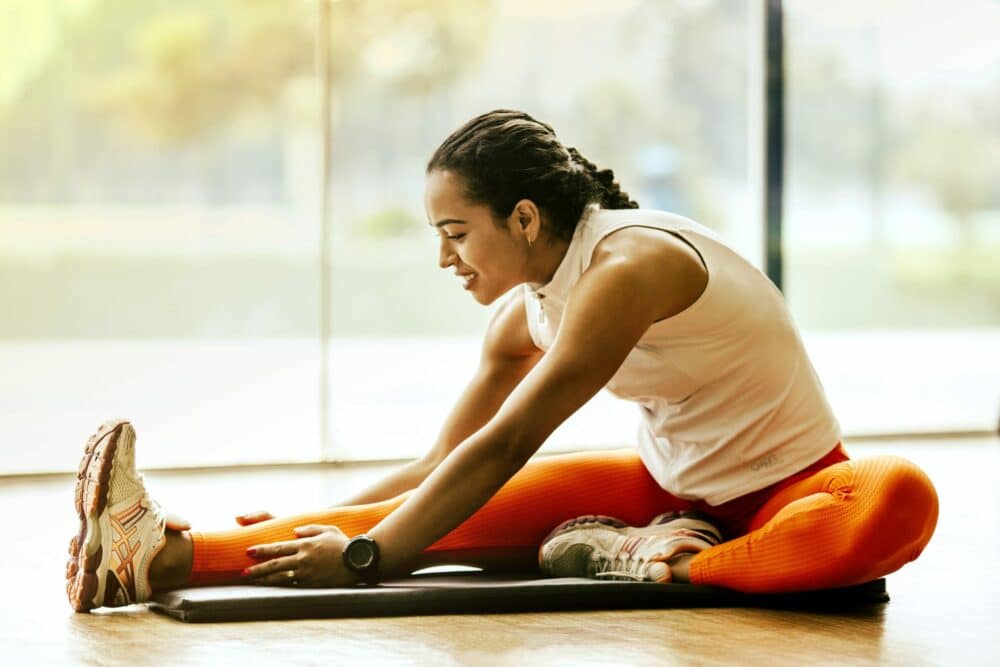
As a woman over 50, it’s important to focus on your balance and flexibility to prevent injuries and ensure safety. Here are some key points to keep in mind:
Benefits of Balance and Flexibility
Improving your balance and flexibility can help you maintain your independence, reduce your risk of falls, and prevent injuries. It can also help you perform everyday tasks with ease, such as bending down to pick something up or reaching for an object on a high shelf.
Exercises for Balance and Flexibility
There are many exercises you can do to improve your balance and flexibility. Here are 10 examples:
- Yoga: Yoga is a great way to improve your flexibility and balance. It can also help you reduce stress and improve your overall health.
- Tai Chi: Tai chi is a low-impact exercise that focuses on balance, coordination, and relaxation. It can help you improve your balance and reduce your risk of falls.
- Pilates: Pilates is a form of exercise that focuses on strengthening your core muscles and improving your flexibility. It can also help you improve your balance and posture.
- Walking: Walking is a simple and effective way to improve your balance and flexibility. It can also help you maintain a healthy weight and reduce your risk of chronic diseases.
- Dancing: Dancing is a fun way to improve your balance and flexibility. It can also help you reduce stress and improve your mood.
- Stretching: Stretching is a simple and effective way to improve your flexibility. It can also help you reduce muscle tension and improve your range of motion.
- Squats: Squats are a great way to improve your balance and strengthen your leg muscles. They can also help you improve your posture and reduce your risk of falls.
- Lunges: Lunges are another great exercise for improving your balance and leg strength. They can also help you improve your flexibility and range of motion.
- Balance exercises: Balance exercises, such as standing on one leg or walking heel-to-toe, can help you improve your balance and reduce your risk of falls.
- Resistance training: Resistance training, such as lifting weights or using resistance bands, can help you improve your balance and strengthen your muscles.
How Often to Exercise
It’s important to exercise regularly to see the benefits of improved balance and flexibility. Aim for at least 30 minutes of exercise most days of the week. You can break it up into shorter sessions throughout the day if needed.
Safety Tips
When exercising for balance and flexibility, it’s important to take safety precautions to prevent injuries. Here are some tips to keep in mind:
- Wear comfortable, supportive
shoes - Use a chair or wall for support if needed
- Start with easy exercises and gradually increase the intensity
- Listen to your body and stop if you feel pain or discomfort
- Consult with your doctor before starting a new exercise program, especially if you have any health conditions or concerns.
Pay Attention to Your Movement and Posture
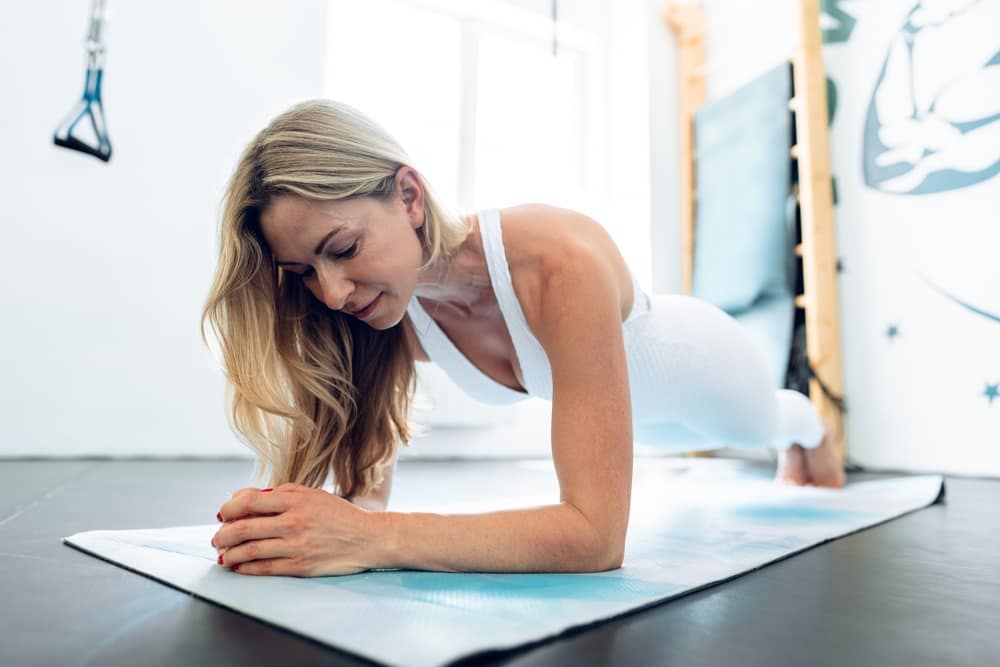
As a woman over 50, it’s important to pay attention to your movement and posture to prevent injuries and ensure safety. Here are some tips to help you maintain good posture and move safely:
Strengths
- Yoga and Pilates are great exercises that can help improve your posture, balance, and flexibility. They can also strengthen your core muscles, which can help support your spine and reduce the risk of back pain.
- Good posture can help you breathe better, reduce stress on your joints, and improve your overall appearance and confidence.
- Proper movement can help you avoid falls and other injuries, which can be especially important as you age.
Weaknesses
- Poor posture can lead to back, neck, and shoulder pain, as well as headaches and other health problems.
- Incorrect movement patterns can increase your risk of falls and other injuries, especially if you have weak muscles or balance issues.
- Sedentary lifestyles can contribute to poor posture and movement patterns, so it’s important to stay active and avoid sitting for long periods of time.
Opportunities
- By practicing good posture and movement habits, you can improve your overall health and quality of life.
- Yoga and Pilates classes are widely available and can be adapted to suit your individual needs and abilities.
- By working with a qualified instructor or physical therapist, you can learn how to move safely and effectively, even if you have existing health conditions or injuries.
Threats
- Poor posture and movement habits can lead to chronic pain, injury, and disability.
- Falls and other injuries can be especially dangerous for older adults, and can lead to hospitalization, loss of independence, and other complications.
- Aging can lead to changes in your body that affect your posture and movement patterns, so it’s important to stay aware of these changes and adapt your habits accordingly.
In summary, paying attention to your movement and posture can help prevent injuries and ensure safety as a woman over 50. By practicing good habits and seeking out resources like yoga and Pilates classes, you can improve your overall health and well-being.
Stretching and Range of Motion is Key
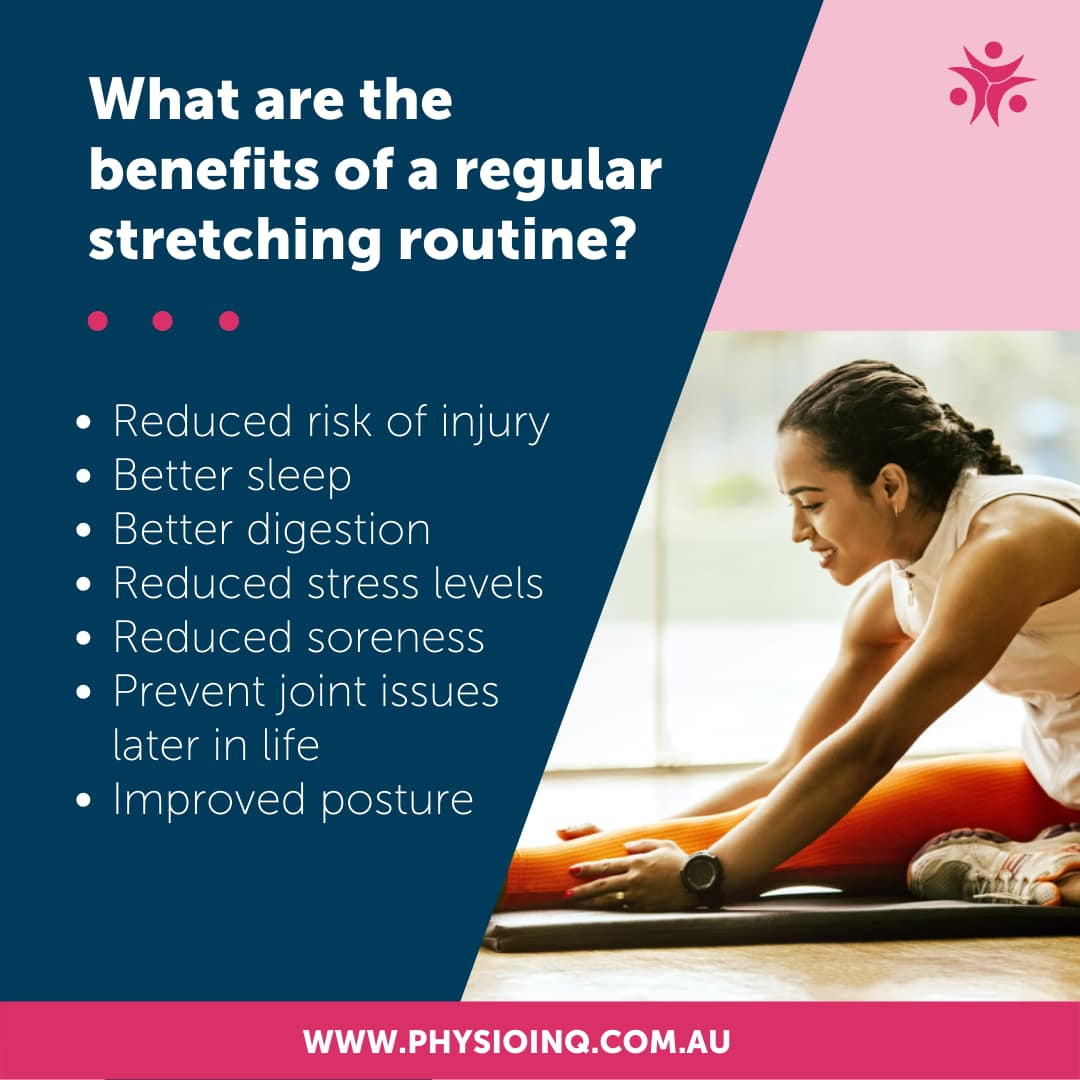
As a woman over 50, it is important to take extra care when it comes to preventing injuries and ensuring safety during exercise. One way to do this is by incorporating stretching and range of motion exercises into your fitness routine. Here’s why:
Benefits of Stretching
Stretching helps to improve your flexibility, mobility, and range of motion. This can help to prevent injuries and reduce pain, stiffness, and soreness. Additionally, stretching can also help to improve your posture, balance, and coordination.
Types of Stretches
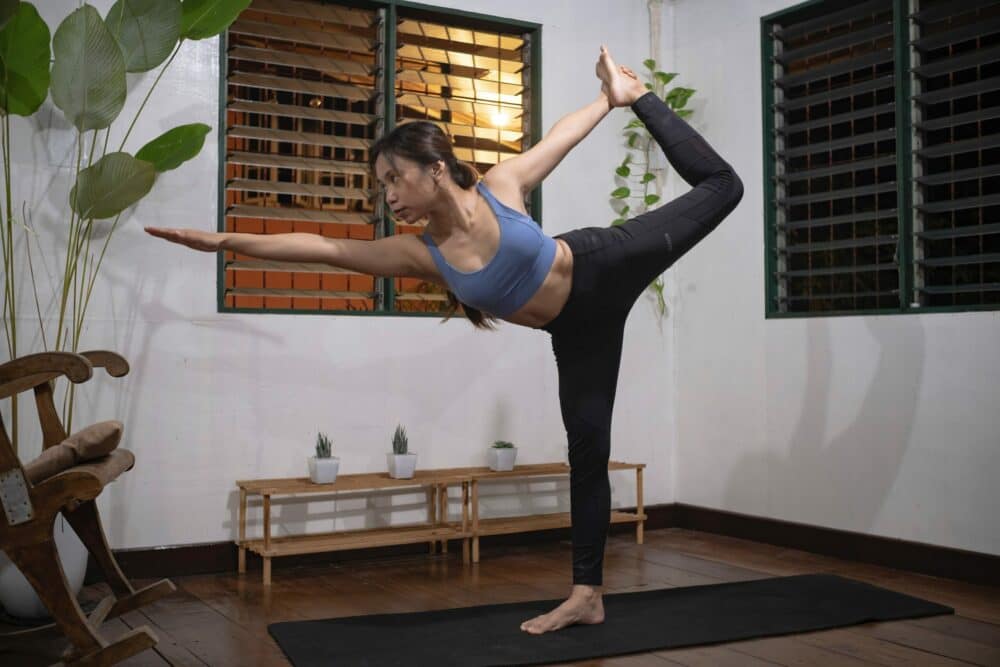
There are two main types of stretches: static and dynamic. Static stretches involve holding a stretch for a period of time, while dynamic stretches involve moving through a range of motion. Both types of stretches are important for improving flexibility and reducing the risk of injury.
Yoga Poses for Stretching
Yoga is a great way to incorporate stretching into your fitness routine. Here are some yoga poses that can help to stretch different muscles in your body:
| Muscle Group | Yoga Pose |
|---|---|
| Hamstrings | Forward Fold |
| Hips | Pigeon Pose |
| Shoulders | Downward-Facing Dog |
| Lower Back | Cat-Cow Pose |
| Chest | Cobra Pose |
Personal Training, Yoga, and Pilates
If you’re new to stretching or need some guidance, consider working with a personal trainer or taking a yoga or Pilates class. These types of exercises can help you to improve your flexibility, mobility, and range of motion in a safe and effective way. Plus, they can be a fun way to mix up your fitness routine and try something new.
Remember, stretching and range of motion exercises are key to preventing injuries and ensuring safety during exercise. Incorporate these types of exercises into your fitness routine to improve your flexibility, mobility, and overall health.
Medical Conditions and Medications
As a woman over 50, it is important to be aware of any medical conditions you may have and the medications you are taking. Certain medical conditions and medications can increase your risk of injury. Here are some things to keep in mind:
Medical Conditions
- Osteoporosis: This condition weakens bones and makes them more prone to fractures. Talk to your doctor about getting a bone density test and taking supplements or medications to improve bone health.
- Diabetes: High blood sugar levels can cause nerve damage, which can affect balance and increase your risk of falls. Make sure to manage your blood sugar levels and talk to your doctor if you have any concerns.
- Vision problems: Poor vision can make it difficult to navigate your surroundings and increase your risk of falls. Schedule regular eye exams and wear corrective lenses as needed.
- Dementia: This condition can affect memory, judgment, and coordination, which can increase your risk of accidents. Talk to your doctor about strategies for managing dementia and staying safe.
Medications
Certain medications can also increase your risk of injury. Here are some things to keep in mind:
- Blood thinners: These medications can help prevent blood clots, but they can also increase your risk of bleeding. Make sure to follow your doctor’s instructions and avoid activities that could lead to injury.
- Pain medications: These medications can help manage pain, but they can also increase your risk of falls and accidents. Talk to your doctor about alternative pain management strategies.
- Antidepressants: Some antidepressants can cause dizziness and drowsiness, which can increase your risk of falls. Talk to your doctor about adjusting your dosage or switching to a different medication if you experience these side effects.
- Sleep aids: These medications can help you fall asleep, but they can also cause dizziness and impaired coordination. Talk to your doctor about alternative strategies for managing sleep problems.
By being aware of your medical conditions and medications, you can take steps to prevent injuries and ensure your safety. Make sure to talk to your doctor about any concerns you may have and follow their recommendations for managing your health.
Importance of Regular Check-ups and Screenings
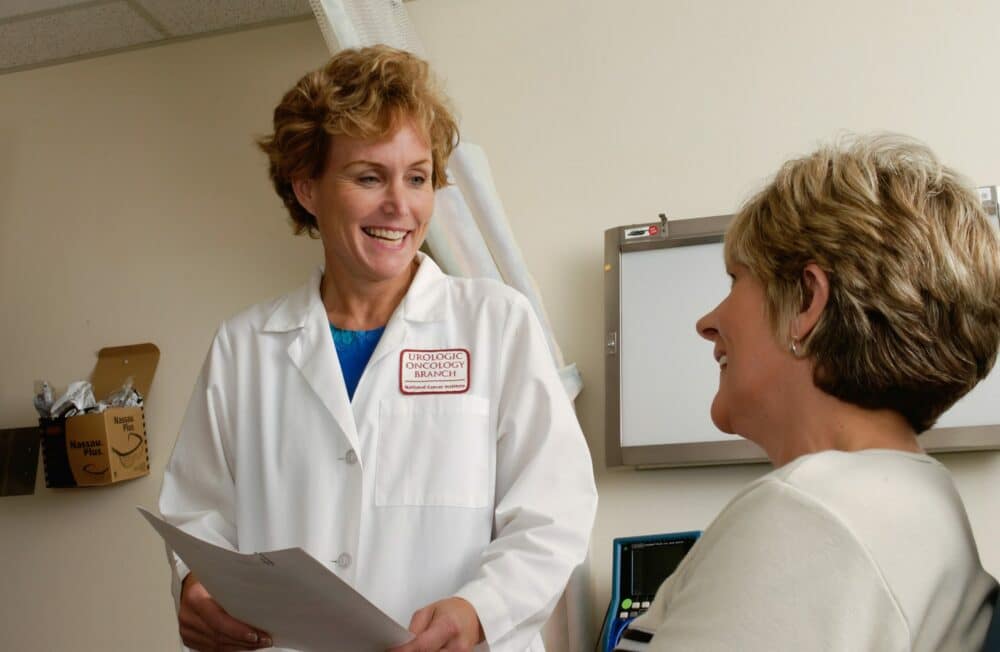
Regular check-ups and screenings are crucial for maintaining good health and preventing injuries, especially for women over 50. Here are some reasons why you should prioritize these appointments:
Early Detection of Diseases
Regular check-ups with your doctor can help detect diseases early on, when they are more treatable. For example, breast cancer and cervical cancer screenings can catch cancer in its early stages, increasing the chances of successful treatment. According to the World Health Organization (WHO), regular mammograms can reduce breast cancer mortality by up to 40%. Similarly, regular Pap tests can detect abnormal cells in the cervix, which can indicate the presence of cervical cancer.
Prevention of Chronic Diseases
Regular check-ups can also help prevent chronic diseases, such as diabetes, hepatitis C, and HIV. Your doctor can monitor your blood sugar levels and provide guidance on diet and exercise to help prevent diabetes. Additionally, your doctor can screen you for hepatitis C and HIV, which are more common in women over 50 than in younger women.
Monitoring Medications
If you are taking medications, regular check-ups with your doctor can help ensure that they are working properly and not causing any adverse effects. Your doctor can also adjust your dosage or switch to a different medication if necessary.
Overall Health and Wellness
Regular check-ups can help you maintain overall health and wellness. Your doctor can provide guidance on healthy lifestyle habits, such as diet and exercise, and recommend vaccinations to help prevent diseases like the flu. Additionally, regular check-ups can help you manage any chronic conditions you may have, such as hypertension or depression.
In conclusion, regular check-ups and screenings are essential for maintaining good health and preventing injuries for women over 50. By prioritizing these appointments, you can detect diseases early, prevent chronic conditions, monitor medications, and maintain overall health and wellness.
How to Use Foam Rollers and Other Tools for Recovery
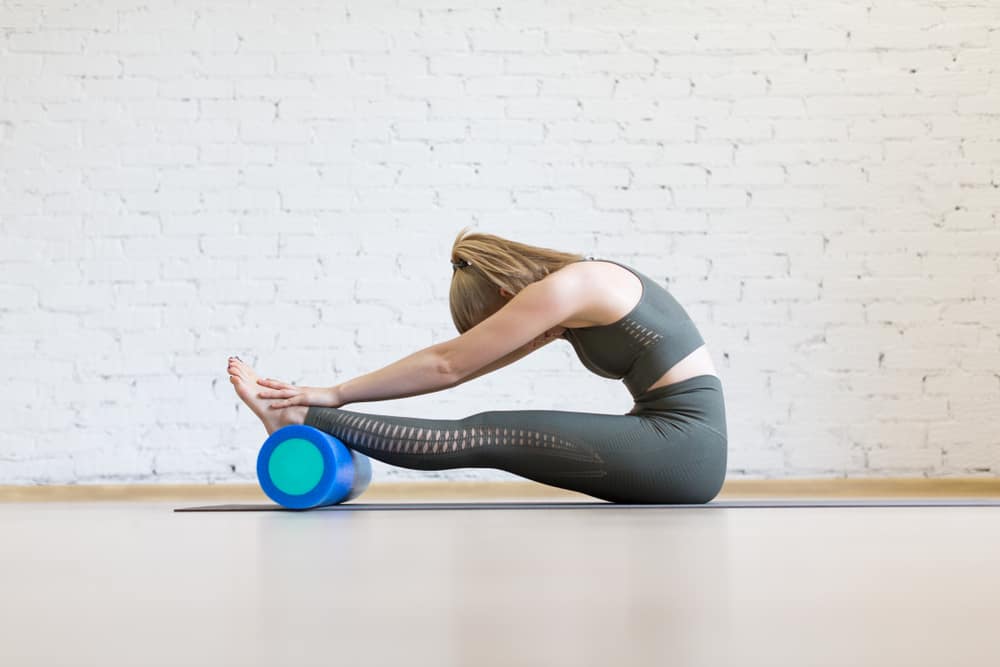
Foam rollers and other recovery tools can help women over 50 prevent injuries and ensure safety during exercise. Here are some tips on how to use these tools effectively:
1. Foam Rollers
Foam rollers are great for massaging sore muscles and improving flexibility. Here’s how to use them:
- Back: Lie on your back and place the foam roller under your shoulder blades. Slowly roll up and down your spine, stopping at any tight spots.
- Glutes: Sit on the foam roller with one foot crossed over your opposite knee. Roll back and forth over your glutes until you find a tender spot.
- Hamstrings: Sit on the foam roller with your legs straight out in front of you. Roll back and forth over your hamstrings, stopping at any tight spots.
- Quads: Lie on your stomach with the foam roller under your thighs. Roll up and down your quads, stopping at any tight spots.
Check out this source for more dos and don’ts of using foam rollers.
2. Massage Balls
Massage balls are great for targeting specific areas of the body. Here’s how to use them:
- Feet: Sit on a chair and place a massage ball under your foot. Roll back and forth over the ball, stopping at any tight spots.
- Shoulders: Stand against a wall and place a massage ball between your shoulder blade and the wall. Roll back and forth, stopping at any tight spots.
3. Resistance Bands
Resistance bands are great for improving strength and flexibility. Here’s how to use them:
- Arms: Hold a resistance band in both hands and extend your arms straight out in front of you. Pull the band apart, squeezing your shoulder blades together.
- Legs: Place a resistance band around your ankles and stand with your feet hip-width apart. Step to the side, stretching the band, and then step back to the starting position.
4. Yoga Blocks
Yoga blocks are great for modifying poses and improving flexibility. Here’s how to use them:
- Forward Fold: Place a yoga block under your hands to bring the ground closer to you.
- Bridge Pose: Place a yoga block under your sacrum to support your lower back.
What Tools Do What for What Body Part?
Here’s a table that shows what tools are great for what body part:
| Body Part | Tool |
|---|---|
| Back | Foam Roller |
| Glutes | Foam Roller or Massage Ball |
| Hamstrings | Foam Roller |
| Quads | Foam Roller |
| Feet | Massage Ball |
| Shoulders | Massage Ball |
| Arms | Resistance Band |
| Legs | Resistance Band |
| Forward Fold | Yoga Block |
| Bridge Pose | Yoga Block |
Remember, using foam rollers and other recovery tools can help you prevent injuries and ensure safety during exercise. Incorporate these tools into your routine to improve your overall health and wellness.
Frequently Asked Questions About Injury Prevention for Women Over 50
What are the most common injuries women over 50 experience during exercise?
The most common injuries include stress fractures, rotator cuff tears, knee injuries (meniscus tears and arthritis), lower back strain, ankle sprains, and tendonitis. Hip fractures from falls are especially concerning due to osteoporosis. These injuries result from decreased bone density, reduced muscle mass, and age-related changes in flexibility and connective tissue. Prevention focuses on proper warm-ups, strength training, balance exercises, and listening to your body’s pain signals.
How long should I hold stretches and how often should I stretch each week?
Hold static stretches for 15-30 seconds and repeat 2-4 times per muscle group. As flexibility decreases with age, women over 50 may need the full 30 seconds. Stretch at least 3-4 times weekly, though daily stretching yields the best results. The ideal time is after exercise when muscles are warm. Focus on major muscle groups: hamstrings, quadriceps, hip flexors, calves, shoulders, and back. Avoid bouncing, and stop if you feel pain rather than a gentle pull.
Can I still exercise if I have osteoporosis or low bone density?
Yes, exercise is crucial for managing osteoporosis, but choose activities carefully. Weight-bearing exercises like walking, dancing, and stair climbing help maintain bone density. Resistance training strengthens bones and supporting muscles. Avoid high-impact activities, exercises involving forward bending or twisting at the waist, and extreme spinal flexion. Skip sit-ups, toe touches, and activities with sudden twisting motions. Always consult your doctor or physical therapist before starting a new program to assess your individual fracture risk.
What’s the difference between muscle soreness and pain that indicates an injury?
Normal muscle soreness (DOMS) appears 24-48 hours after exercise, feels like a dull ache, affects both sides equally, improves with movement, and resolves within 3-5 days. Injury pain starts suddenly during or immediately after exercise, feels sharp or stabbing, localizes to a specific point, may include swelling or bruising, worsens with movement, and persists beyond a week. If you experience sudden sharp pain, hear popping sounds, develop significant swelling, or feel joint instability, stop exercising and seek medical attention immediately.
How can I prevent falls at home beyond exercise and balance training?
Install grab bars in bathrooms, use non-slip mats, and ensure adequate lighting throughout your home including night lights. Remove tripping hazards like loose rugs, electrical cords, and clutter. Secure carpets firmly and repair loose floorboards. Install handrails on both sides of staircases and improve lighting in stairways. Store frequently used items at waist level, wear supportive non-slip footwear, and have annual vision checks. Review medications with your doctor, as some cause dizziness. Consider a personal emergency response system if you live alone.
What supplements should women over 50 take to support bone and joint health?
Calcium (1,200 mg daily) and vitamin D (800-1,000 IU daily) are essential for bone health. Additional beneficial supplements include vitamin K2 (90-120 mcg), magnesium (320 mg), collagen peptides (10-15 grams), and omega-3 fatty acids (1,000-2,000 mg) for joint health and inflammation reduction. Some women benefit from glucosamine and chondroitin for joints. Always consult your healthcare provider before starting supplements, especially if you take medications, as interactions can occur (e.g., vitamin K with blood thinners).
Should I use ice or heat for injury recovery, and when should I use each?
Use ice for acute injuries (first 48-72 hours) to reduce swelling and inflammation. Apply for 15-20 minutes at a time with a towel between ice and skin. Ice works best for sprains, strains, bruises, and post-exercise swelling. Use heat for chronic pain, muscle tension, stiffness, and arthritis, or to warm up before exercise. Heat increases blood flow and relaxes muscles. Apply for 15-20 minutes. Never use heat on acute injuries or swollen areas. When in doubt, ice is generally safer for new injuries.
Female trainers, women-centered programming, and a plan built around your life — not the other way around.
Meet our female trainers