Nutrition for Women Over 50: Tips for a Healthy Diet
TL;DR: Women over 50 need 1,200mg calcium daily, 46g protein, and 21g fiber to maintain bone health, muscle mass, and digestive function. Focus on nutrient-dense foods like leafy greens, lean proteins, whole grains, and healthy fats while staying hydrated with 8+ cups of water daily. The Mediterranean and DASH diets are top-rated for heart health and longevity.
As a woman over 50, you may have noticed that your nutritional needs have changed. It’s important to understand the specific requirements of your body to maintain optimal health and fitness. A balanced diet is crucial for women over 50 to ensure that they get all the necessary nutrients.
Eating a variety of foods is essential to meet the specific nutritional needs of women over 50. Calcium is important for building and maintaining bone strength, and women 51 and older need 1,200 milligrams of calcium per day. Additionally, hydration is crucial, as dehydration is more likely to affect older adults. You may also want to consider heart-healthy nutrition tips to reduce the risk of heart disease.
Key Takeaways
- Calcium is critical: Get 1,200mg daily from dairy, leafy greens, and fortified foods to prevent osteoporosis
- Protein needs increase: Aim for 46g daily from lean meats, fish, beans, and nuts to maintain muscle mass
- Hydration matters more: Drink 8+ cups of water daily as older adults are more prone to dehydration
- Mediterranean diet wins: Emphasizes whole foods, healthy fats, and lean proteins for heart health and longevity
- Fiber aids digestion: Consume 21g daily from whole grains, fruits, and vegetables to combat age-related digestive slowdown
- Manage menopause symptoms: Include phytoestrogen-rich foods like soy and flaxseeds while limiting caffeine and alcohol
- Monitor portion sizes: Metabolism slows with age, making weight management more challenging—focus on nutrient density over calories
Understanding the Nutritional Needs of Women Over 50

As a woman over 50, your nutritional needs change. Understanding these changes can help you make informed decisions about your diet and ensure that you are getting the nutrients you need to maintain good health and vitality.
Nutritional Needs Table
Here is a table that outlines the daily recommended dietary allowances (RDAs) for women over 50:
| Nutrient | RDA |
|---|---|
| Protein | 46 grams |
| Fiber | 21 grams |
| Calcium | 1,200 milligrams |
| Vitamin D | 600-800 international units |
| Vitamin B12 | 2.4 micrograms |
| Iron | 8 milligrams |
| Magnesium | 320 milligrams |
Protein
Protein is essential for building and repairing tissues in the body, and it becomes even more important as you age. Women over 50 should aim to consume 46 grams of protein per day. Good sources of protein include meat, fish, dairy, beans, and nuts.
Fiber
Fiber is important for maintaining bowel health and preventing constipation. Women over 50 should aim to consume 21 grams of fiber per day. Good sources of fiber include whole grains, fruits, vegetables, and legumes.
Calcium
Calcium is important for maintaining strong bones and preventing osteoporosis. Women over 50 should aim to consume 1,200 milligrams of calcium per day. Good sources of calcium include dairy products, leafy green vegetables, and fortified foods.
Vitamin D
Vitamin D is important for calcium absorption and bone health. Women over 50 should aim to consume 600-800 international units of vitamin D per day. Good sources of vitamin D include fatty fish, egg yolks, and fortified foods.
Vitamin B12
Vitamin B12 is important for maintaining healthy nerve and blood cells. Women over 50 should aim to consume 2.4 micrograms of vitamin B12 per day. Good sources of vitamin B12 include meat, fish, dairy products, and fortified foods.
Iron
Iron is important for maintaining healthy blood cells. Women over 50 should aim to consume 8 milligrams of iron per day. Good sources of iron include red meat, poultry, fish, beans, and fortified cereals.
Magnesium
Magnesium is important for maintaining healthy bones and muscles. Women over 50 should aim to consume 320 milligrams of magnesium per day. Good sources of magnesium include leafy green vegetables, nuts, and whole grains.
By understanding your nutritional needs as a woman over 50, you can make informed decisions about your diet and ensure that you are getting the nutrients you need to maintain good health and vitality.
Importance of Balanced Diet
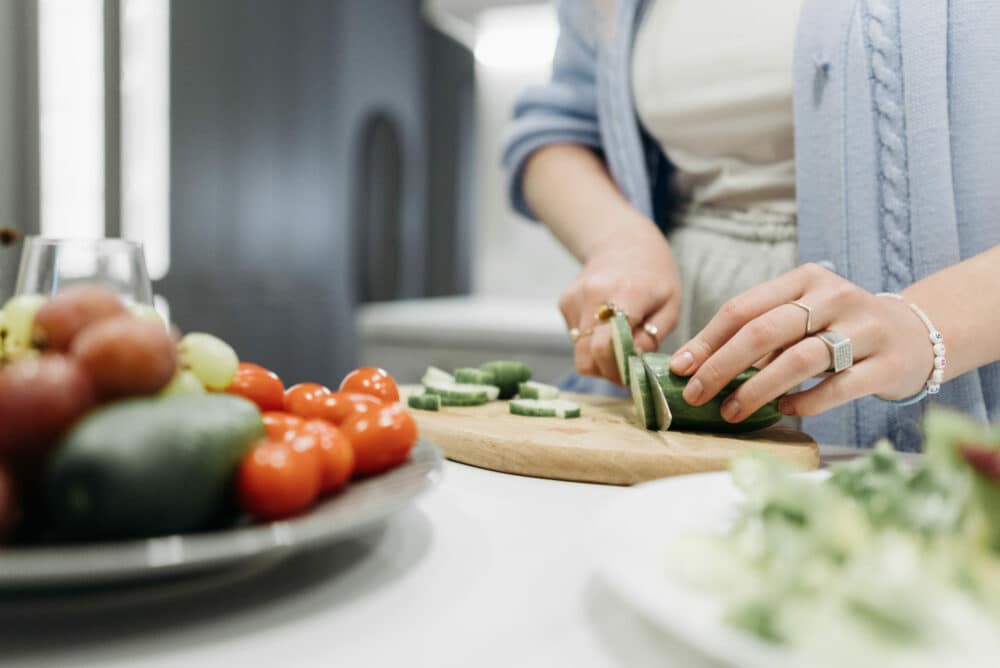
A balanced diet is essential for women over 50 to maintain good health and prevent chronic diseases. It should include a variety of foods from all food groups in appropriate proportions to meet the body’s nutritional needs.
Role of Proteins
Proteins are essential for building and repairing tissues, maintaining muscle mass, and supporting the immune system. As you age, your body’s ability to absorb and use protein decreases, so it’s important to consume enough protein-rich foods like lean meats, fish, eggs, beans, and nuts.
Significance of Vitamins and Minerals
Vitamins and minerals are crucial for various bodily functions, including bone health, immune function, and energy metabolism. Women over 50 should consume foods rich in vitamins and minerals, such as fruits, vegetables, whole grains, and low-fat dairy products. Calcium and Vitamin D are particularly important for bone health.
Importance of Healthy Fats
Healthy fats, such as monounsaturated and polyunsaturated fats, are important for brain function, heart health, and reducing inflammation. Women over 50 should consume foods rich in healthy fats, such as fatty fish, nuts, seeds, and avocados, while limiting saturated and trans fats found in processed foods.
SWOT Analysis of Balanced Diet
A balanced diet has several strengths, including providing essential nutrients, reducing the risk of chronic diseases, and promoting overall health and well-being. However, it also has weaknesses, such as being expensive and time-consuming to plan and prepare. Additionally, some people may find it difficult to stick to a balanced diet due to taste preferences or lack of knowledge about nutrition.
Opportunities for a balanced diet include the availability of a wide variety of healthy foods and the growing popularity of plant-based diets. Threats to a balanced diet include the prevalence of processed and fast foods, which are often high in calories, sugar, and unhealthy fats, and the lack of access to healthy foods in some communities.
Overall, a balanced diet is crucial for women over 50 to maintain good health and prevent chronic diseases. By consuming a variety of nutrient-rich foods in appropriate proportions, you can ensure that your body gets the essential nutrients it needs to function optimally.
Specific Nutritional Requirements
As a woman over 50, your nutritional needs change as you age. It’s important to pay attention to your diet to ensure you’re getting the nutrients you need to stay healthy. Here are some specific nutritional requirements to keep in mind:
Calcium and Vitamin D
Calcium and vitamin D are essential for maintaining bone health. Women over 50 are at an increased risk for osteoporosis, so it’s important to get enough of these nutrients. Good sources of calcium include dairy products, leafy green vegetables, and fortified foods like orange juice and cereal. Vitamin D can be found in fatty fish, egg yolks, and fortified foods. Your body can also make vitamin D when your skin is exposed to sunlight.
Iron
Iron is important for maintaining healthy blood and preventing anemia. Women over 50 need less iron than younger women, but it’s still important to get enough. Good sources of iron include red meat, poultry, fish, beans, and fortified cereals. Vitamin C can help your body absorb iron, so try to eat foods high in vitamin C like citrus fruits, tomatoes, and bell peppers.
Fiber
Fiber is important for maintaining digestive health and preventing constipation. Women over 50 need 21 grams of fiber per day. Good sources of fiber include whole grains, fruits, vegetables, and beans.
Antioxidants
Antioxidants can help protect your body from damage caused by free radicals. Good sources of antioxidants include fruits, vegetables, nuts, and whole grains. Some specific antioxidants to look for include vitamin C, vitamin E, and beta-carotene.
Nutrition in Foods Table
Here is a table of some foods that are high in the nutrients that women over 50 need:
| Nutrient | Food |
|---|---|
| Calcium | Yogurt, cheese, milk, kale, broccoli |
| Vitamin D | Fatty fish, egg yolks, fortified milk, cereal |
| Iron | Red meat, poultry, fish, beans, fortified cereals |
| Fiber | Whole grains, fruits, vegetables, beans |
| Antioxidants | Berries, citrus fruits, nuts, leafy greens, whole grains |
Remember to talk to your doctor or a registered dietitian if you have any questions about your specific nutritional needs.
Best Foods to Eat for Optimal Health and Fitness
As a woman over 50, it is important to fuel your body with nutrient-dense foods to maintain optimal health and fitness. Here are some of the best foods to include in your diet:
Fruits and Vegetables
Fruits and vegetables are packed with vitamins, minerals, and antioxidants that can help reduce the risk of chronic diseases such as heart disease, cancer, and diabetes. Aim for at least 5 servings of fruits and vegetables per day. Some of the best options include:
- Berries: Blueberries, raspberries, and strawberries are high in antioxidants and can help improve brain function and reduce inflammation.
- Leafy Greens: Spinach, kale, and collard greens are rich in vitamins A, C, and K, as well as folate and iron.
- Cruciferous Vegetables: Broccoli, cauliflower, and Brussels sprouts are high in fiber and can help reduce the risk of cancer.
- Citrus Fruits: Oranges, grapefruits, and lemons are high in vitamin C, which can help boost your immune system and improve skin health.
Lean Proteins
Protein is essential for building and repairing tissues, as well as maintaining muscle mass. As you age, your body may require more protein to maintain muscle mass. Some of the best sources of lean protein include:
- Fish: Salmon, tuna, and sardines are high in omega-3 fatty acids, which can help reduce inflammation and improve heart health.
- Poultry: Chicken and turkey are lean sources of protein, as long as you remove the skin.
- Legumes: Beans, lentils, and chickpeas are high in protein and fiber, which can help improve digestion and reduce the risk of chronic diseases.
Whole Grains
Whole grains are a good source of fiber, which can help reduce the risk of heart disease, diabetes, and obesity. Some of the best options include:
- Oats: Oats are high in fiber and can help lower cholesterol levels.
- Brown Rice: Brown rice is a good source of fiber and can help regulate blood sugar levels.
- Quinoa: Quinoa is high in protein and can help improve digestion.
Healthy Fats
Healthy fats are important for brain function, hormone production, and reducing inflammation. Some of the best sources of healthy fats include:
- Nuts and Seeds: Almonds, walnuts, chia seeds, and flaxseeds are high in omega-3 fatty acids and can help improve heart health.
- Avocado: Avocado is high in monounsaturated fats, which can help reduce inflammation and improve heart health.
- Olive Oil: Olive oil is high in monounsaturated fats and can help reduce the risk of heart disease.
Best and Worst Foods to Eat
Here is a table of some of the best and worst foods to include in your diet:
| Best Foods | Worst Foods |
|---|---|
| Fruits and Vegetables | Processed Foods |
| Lean Proteins | Sugary Drinks |
| Whole Grains | Fried Foods |
| Healthy Fats | High-Sodium Foods |
By including these nutrient-dense foods in your diet and avoiding processed and high-sugar foods, you can improve your overall health and fitness as a woman over 50.
Top-rated diets for women over 50, recommended by doctors and dietitians
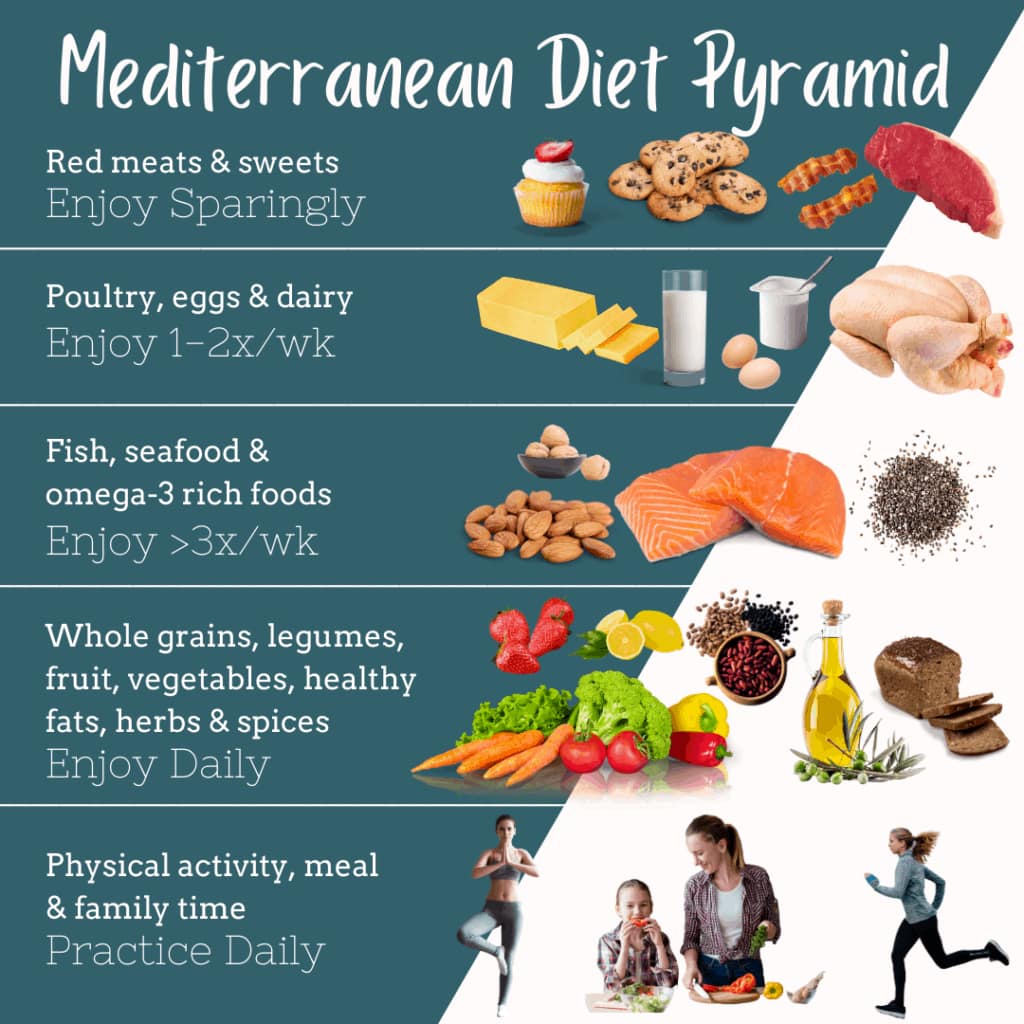
When it comes to nutrition for women over 50, doctors and dietitians recommend following a healthy and balanced diet. Here are some top-rated diets that can help you maintain good health and vitality.
DASH (heart health)
The DASH (Dietary Approaches to Stop Hypertension) diet is a heart-healthy diet that emphasizes fruits, vegetables, whole grains, lean proteins, and low-fat dairy products. It also limits foods high in saturated fats, such as fatty meats, full-fat dairy products, and tropical oils. The DASH diet has been shown to lower
Here’s a sample DASH diet:
- Breakfast: Oatmeal with berries, a handful of almonds, and low-fat milk.
- Snack: Apple slices with peanut butter.
- Lunch: Grilled chicken breast with mixed greens, tomatoes, and cucumbers.
- Snack: Carrots and hummus.
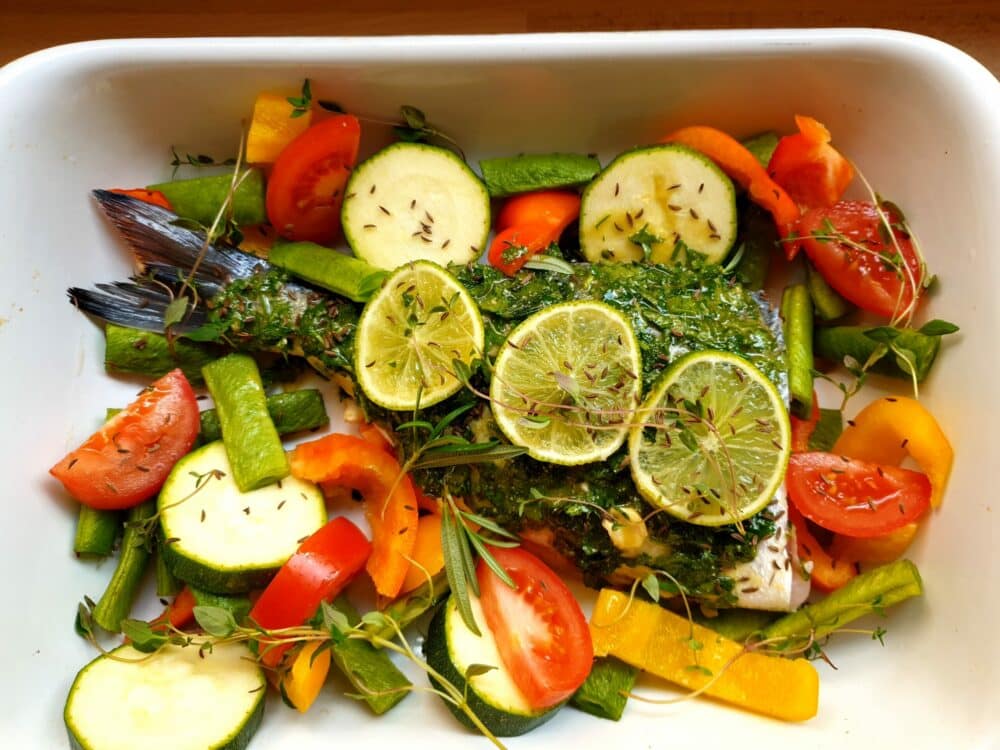
- Dinner: Baked salmon with brown rice and roasted vegetables.
Mediterranean Diet (best all-around)
The Mediterranean diet is a well-rounded diet that emphasizes whole, minimally processed foods such as fruits, vegetables, whole grains, legumes, nuts, and seeds. It also includes moderate amounts of fish, poultry, and dairy products, and limited amounts of red meat. The Mediterranean diet has been shown to improve heart health, reduce the risk of certain cancers, and promote longevity.
Here’s a sample Mediterranean diet:
- Breakfast: Greek yogurt with mixed berries and a drizzle of honey.
- Snack: Whole-grain crackers with hummus.
- Lunch: Grilled chicken breast with a Greek salad (tomatoes, cucumbers, feta cheese, and olives).
- Snack: A piece of fruit and a handful of almonds.
- Dinner: Baked salmon with quinoa and roasted vegetables.
MIND Diet (brain health)
The MIND (Mediterranean-DASH Intervention for Neurodegenerative Delay) diet is a combination of the DASH and Mediterranean diets, with a focus on foods that are good for brain health. It emphasizes green leafy vegetables, berries, nuts, whole grains, fish, and poultry, while limiting red meat, butter, cheese, and fried foods. The MIND diet has been shown to reduce the risk of Alzheimer’s disease.
Here’s a sample MIND diet:
- Breakfast: Scrambled eggs with spinach and whole-grain toast.
- Snack: Blueberries and a handful of walnuts.
- Lunch: Grilled chicken breast with a mixed green salad (spinach, kale, and arugula) and quinoa.
- Snack: Carrots and hummus.
- Dinner: Baked salmon with brown rice and roasted vegetables.
Flexitarian Diet (plant-based)
The Flexitarian diet is a plant-based diet that allows for occasional consumption of meat and animal products. It emphasizes whole, minimally processed foods such as fruits, vegetables, whole grains, legumes, nuts, and seeds. The Flexitarian diet has been shown to improve heart health, reduce the risk of certain cancers, and promote weight loss.
Here’s a sample Flexitarian diet:
- Breakfast: Oatmeal with mixed berries and almond milk.
- Snack: Apple slices with almond butter.
- Lunch: Black bean and sweet potato tacos with avocado and salsa.
- Snack: Carrots and hummus.
- Dinner: Lentil soup with a mixed green salad (spinach, kale, and arugula).
Intuitive Eating
Intuitive Eating is not a diet, but a philosophy that encourages listening to your body’s hunger and fullness cues, and eating in a way that feels good and satisfying. It emphasizes mindful eating, rejecting diet culture, and respecting your body’s natural size and shape. Intuitive Eating has been shown to improve body image, reduce disordered eating behaviors, and promote mental health.
Intermittent Fasting
Intermittent Fasting is a pattern of eating that involves alternating periods of fasting and eating. There are several methods of Intermittent Fasting, such as the 16/8 method (fasting for 16 hours and eating within an 8-hour window) and the 5:2 method (eating normally for 5 days and restricting calories to 500-600 for 2 days). Intermittent Fasting has been shown to promote weight loss, improve insulin sensitivity, and reduce inflammation.
It’s important to note that before starting any new diet or eating pattern, it’s best to consult with a doctor or registered dietitian to ensure it’s safe and appropriate for you.
Dealing with Menopause and Nutrition
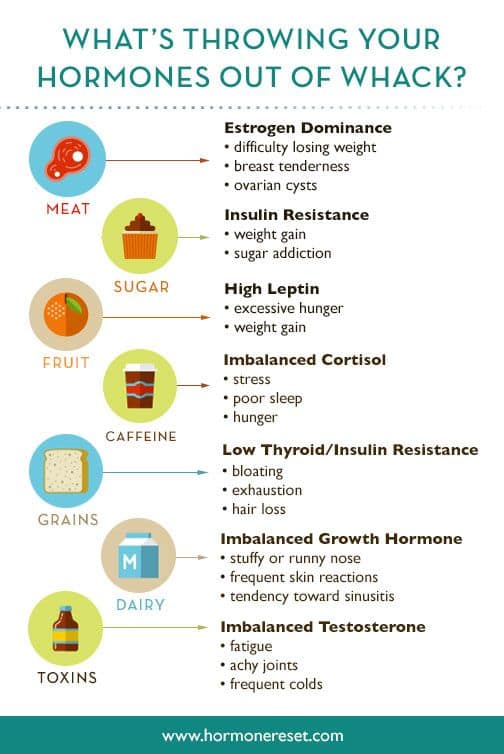
As women age, they experience menopause, which marks the end of their reproductive years. Menopause can cause several changes in the body, including a decrease in estrogen levels, which can lead to various symptoms such as hot flashes, night sweats, and mood swings. Nutrition plays a vital role in managing these symptoms and maintaining overall health during menopause.
Foods that Affect Menopause
Certain foods can help alleviate menopausal symptoms, while others can exacerbate them. Here are some foods to include and avoid in your diet during menopause:
Foods to Include
- Calcium-rich foods: As estrogen levels decrease during menopause, women become more susceptible to osteoporosis. Consuming calcium-rich foods such as dairy products, leafy greens, and fortified foods can help maintain bone health.
- Fiber-rich foods: During menopause, women may experience digestive issues such as constipation. Eating fiber-rich foods such as whole grains, fruits, and vegetables can help alleviate these symptoms.
- Phytoestrogen-rich foods: Phytoestrogens are plant-based compounds that can mimic estrogen in the body. Including foods such as soy products, flaxseeds, and legumes in your diet can help alleviate hot flashes and other menopausal symptoms.
Foods to Avoid
- Caffeine: Caffeine can exacerbate hot flashes and night sweats, so it is best to limit your intake of coffee, tea, and other caffeinated beverages.
- Alcohol: Alcohol can disrupt sleep and exacerbate mood swings, so it is best to limit your intake or avoid it altogether.
- Processed foods: Processed foods are often high in sugar, salt, and unhealthy fats, which can exacerbate menopausal symptoms and increase the risk of various health problems.
Menopause and Weight Gain
Many women experience weight gain during menopause, which can increase the risk of various health problems such as heart disease and diabetes. Maintaining a healthy weight through proper nutrition and exercise is essential during menopause.
Tips for Managing Weight during Menopause
- Eat a balanced diet: Consuming a balanced diet that includes whole grains, lean protein, fruits, and vegetables can help you maintain a healthy weight.
- Stay active: Regular exercise can help you maintain muscle mass, boost metabolism, and manage weight during menopause.
- Stay hydrated: Drinking plenty of water can help you feel full and prevent overeating.
In conclusion, menopause can cause several changes in the body, and proper nutrition can help manage these symptoms and maintain overall health. By including calcium-rich, fiber-rich, and phytoestrogen-rich foods in your diet and avoiding caffeine, alcohol, and processed foods, you can alleviate menopausal symptoms and maintain a healthy weight.
Nutrition for Bone Health

As a woman over 50, maintaining good bone health is crucial to prevent osteoporosis and fractures. Here are some key nutrients and foods to include in your diet to support strong bones:
Calcium
Calcium is an essential mineral for bone health. It helps build and maintain strong bones and teeth. Women over 50 should aim for 1,200 mg of calcium per day. Good sources of calcium include:
- Dairy products such as milk, cheese, and yogurt
- Non-dairy sources such as leafy greens (kale, collard greens, spinach), broccoli, almonds, and tofu
- Fortified foods such as orange juice, soy milk, and cereal
Vitamin D
Vitamin D helps your body absorb calcium and is essential for bone health. Women over 50 should aim for 600-800 IU of vitamin D per day. Good sources of vitamin D include:
- Fatty fish such as salmon, tuna, and mackerel
- Egg yolks
- Fortified foods such as milk, orange juice, and cereal
Magnesium
Magnesium is another mineral that is important for bone health. It helps your body absorb calcium and plays a role in bone formation. Women over 50 should aim for 320 mg of magnesium per day. Good sources of magnesium include:
- Nuts and seeds such as almonds, cashews, and pumpkin seeds
- Whole grains such as brown rice and quinoa
- Leafy greens such as spinach and kale
Top 10 Foods for Bone Health
Here are 10 foods that are particularly beneficial for bone health:
- Yogurt
- Milk
- Cheese
- Leafy greens (kale, collard greens, spinach)
- Salmon
- Tuna
- Almonds
- Fortified cereal
- Orange juice
- Tofu
By including these nutrient-dense foods in your diet, you can support strong bones and reduce your risk of osteoporosis and fractures.
Heart-Healthy Nutrition Tips

As a woman over 50, it’s important to prioritize your heart health. Here are some nutrition tips to help keep your heart healthy:
Good and Bad Foods for Heart Health
| Good Foods for Heart Health | Bad Foods for Heart Health |
|---|---|
| Fruits and vegetables | Processed meats |
| Whole grains | Fried foods |
| Lean protein | Sugary drinks |
| Nuts and seeds | Foods high in sodium |
| Fish and seafood | Saturated and trans fats |
Choose Heart-Healthy Fats
Not all fats are bad for you. In fact, some fats can actually be good for your heart. When choosing fats, opt for monounsaturated and polyunsaturated fats, which can help lower your cholesterol levels. Good sources of these fats include:
- Avocado
- Nuts and seeds
- Olive oil
- Fatty fish, such as salmon and tuna
Limit Your Sodium Intake
Eating too much sodium can increase your
- Avoid processed foods, which are often high in sodium
- Use herbs and spices to season your food instead of salt
- Rinse canned foods, such as beans and vegetables, to remove excess sodium
Get Enough Fiber
Fiber is important for heart health, as it can help lower your cholesterol levels. To get enough fiber in your diet, try the following:
- Eat plenty of fruits and vegetables
- Choose whole grains, such as brown rice and whole wheat bread
- Add beans and legumes to your meals
By following these heart-healthy nutrition tips, you can help keep your heart healthy and strong.
Why Dehydration is More Likely to Affect Older Adults
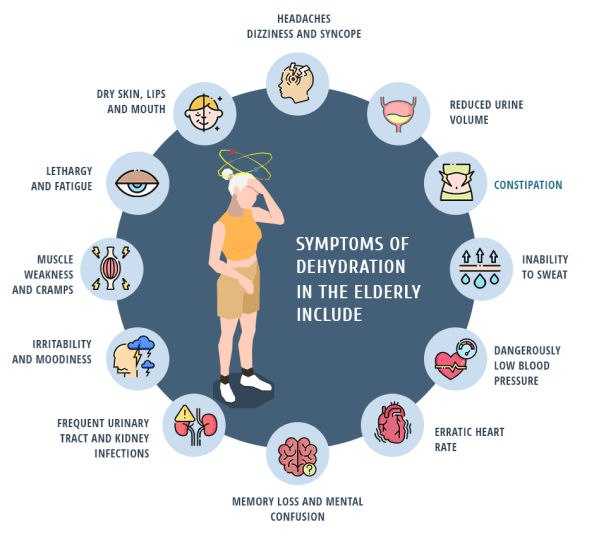
source: nvitacryonyc.com
As you age, your body undergoes many changes, including a decreased sense of thirst, which can put you at an increased risk of dehydration. Dehydration occurs when your body loses more fluid than it takes in, leading to an imbalance of electrolytes that can cause serious health problems if left untreated.
Symptoms of Dehydration
It’s important to be aware of the symptoms of dehydration, which can include:
- Dry mouth and throat
- Dark yellow urine
- Fatigue and weakness
- Dizziness or lightheadedness
- Confusion or irritability
- Headache
- Dry skin
If you experience any of these symptoms, it’s important to drink fluids immediately and seek medical attention if they persist.
How Much Water Do You Need to Stay Hydrated?
The amount of water you need to stay hydrated varies depending on your age, gender, weight, and activity level. As a general guideline, it’s recommended that women over 50 drink at least 8 cups (64 ounces) of water per day. However, this amount may need to be adjusted based on individual factors.
How to Stay Hydrated Every Day
Staying hydrated is essential for good health, and there are many ways to make sure you’re getting enough fluids every day. Here are some tips to help you stay hydrated:
- Keep a water bottle with you at all times and sip on it throughout the day.
- Drink water before, during, and after exercise.
- Eat foods that are high in water content, such as fruits and vegetables.
- Avoid drinks that can dehydrate you, such as alcohol and caffeine.
- Monitor your urine color to ensure you’re staying hydrated.
Make a Hydrated Foods List
In addition to drinking water, you can also stay hydrated by eating foods that are high in water content. Here are some examples of hydrated foods:
| Food | Water Content |
|---|---|
| Watermelon | 92% |
| Cucumber | 96% |
| Strawberries | 91% |
| Broccoli | 89% |
| Spinach | 91% |
10 Foods and 5 Drinks to Stay Hydrated
Here are some specific foods and drinks that can help you stay hydrated:
Foods
- Watermelon
- Cucumber
- Strawberries
- Broccoli
- Spinach
- Tomatoes
- Bell peppers
- Grapes
- Pineapple
- Cauliflower
Drinks
- Water
- Coconut water
- Herbal tea
- Vegetable juice
- Milk
By staying hydrated every day, you can help maintain good health and prevent the serious health problems that can arise from dehydration.
Effects of Aging on Digestion
As a woman over 50, you may notice changes in your digestive system that can affect your overall health. Here are some common effects of aging on digestion:
Decreased Stomach Acid
As you age, your stomach may produce less stomach acid, which can make it harder to digest certain foods. This can lead to discomfort, bloating, and indigestion. To help improve digestion, you may want to try eating smaller, more frequent meals and avoiding foods that are high in fat or spice.
Slower Digestion
Your digestive system may also slow down as you get older, which can lead to constipation and other digestive problems. To help keep things moving, make sure you’re getting enough fiber in your diet and drinking plenty of water. You may also want to consider taking a probiotic supplement to help support healthy digestion.
Changes in Taste and Smell
As you age, you may notice changes in your sense of taste and smell, which can affect your appetite and make it harder to enjoy certain foods. To help make meals more appealing, try adding herbs and spices to your food or experimenting with new recipes.
Medication Use
Many older adults take medications that can affect digestion, such as antacids, laxatives, and pain relievers. If you’re taking medication, be sure to talk to your doctor about any potential side effects and how to manage them.
Decreased Absorption of Nutrients
Finally, as you age, your body may not absorb nutrients as efficiently as it used to. This can lead to deficiencies in vitamins and minerals, which can affect your overall health. To help ensure you’re getting the nutrients you need, try to eat a balanced diet that includes plenty of fruits, vegetables, whole grains, and lean protein. You may also want to consider taking a multivitamin or other supplements as recommended by your doctor.
Weight Management and Nutrition

Maintaining a healthy weight is essential for women over 50 as it can reduce the risk of chronic diseases such as heart disease, diabetes, and cancer. However, losing weight can be more challenging as you age due to hormonal changes, decreased muscle mass, and a slower metabolism. Here are some tips to help you manage your weight and maintain good nutrition:
Eat a Balanced Diet
A balanced diet is essential for weight management and good nutrition. Aim to eat a variety of nutrient-dense foods such as fruits, vegetables, whole grains, lean protein, and healthy fats. Avoid processed foods, sugary drinks, and foods high in saturated and trans fats as they can contribute to weight gain and increase the risk of chronic diseases.
Watch Your Portion Sizes
As you age, your calorie needs decrease, and your metabolism slows down, making it easier to gain weight. Therefore, it’s essential to watch your portion sizes and avoid overeating. Use smaller plates, measure your food, and avoid eating in front of the TV or computer, as it can lead to mindless eating.
Stay Hydrated
Drinking enough water is essential for weight management and good nutrition. It can help you feel full, reduce cravings, and improve digestion. Aim to drink at least eight glasses of water a day and avoid sugary drinks, which can contribute to weight gain.
Exercise Regularly
Exercise is essential for weight management and good health. It can help you burn calories, build muscle mass, and improve your metabolism. Aim to exercise for at least 30 minutes a day, five days a week, and include a mix of aerobic and strength training exercises.
Seek Professional Help
If you’re struggling to manage your weight, seek professional help from a registered dietitian or healthcare provider. They can help you develop a personalized nutrition and exercise plan that meets your needs and goals.
In summary, maintaining a healthy weight is essential for women over 50. Eating a balanced diet, watching your portion sizes, staying hydrated, exercising regularly, and seeking professional help can help you manage your weight and maintain good nutrition.
Conclusion
In summary, as a woman over 50, it’s important to pay attention to your nutritional needs and make sure you’re getting the right balance of nutrients to maintain a healthy and active lifestyle.
By following a balanced diet that includes plenty of fruits, vegetables, lean proteins, and whole grains, you can help reduce your risk of chronic diseases such as heart disease, diabetes, and osteoporosis.
It’s also important to stay hydrated and limit your intake of processed foods, sugary drinks, and alcohol. These foods can be high in calories and low in nutrients, which can lead to weight gain and other health problems.
Additionally, you may want to consider taking supplements to help fill any nutrient gaps in your diet. Talk to your doctor or a registered dietitian to determine which supplements are right for you and the appropriate dosage.
Remember, making small changes to your diet and lifestyle can have a big impact on your health and well-being. By prioritizing your nutrition and making healthy choices, you can enjoy a vibrant and fulfilling life well into your golden years.
Frequently Asked Questions
What are the most important nutrients for women over 50?
The most critical nutrients are calcium (1,200mg daily), protein (46g daily), fiber (21g daily), vitamin D (600-800 IU), vitamin B12 (2.4mcg), iron (8mg), and magnesium (320mg). These nutrients support bone health, muscle maintenance, digestive function, and energy metabolism. As you age, your body’s ability to absorb certain nutrients decreases, making it essential to prioritize nutrient-dense whole foods like dairy products, lean proteins, whole grains, fruits, and vegetables.
Which diet is best for women over 50?
The Mediterranean diet is considered the best all-around choice, emphasizing whole foods, healthy fats from olive oil and nuts, lean proteins, and abundant fruits and vegetables. The DASH diet is excellent for heart health and
How much water should women over 50 drink daily?
Women over 50 should drink at least 8 cups (64 ounces) of water per day, though individual needs vary based on activity level, climate, and health conditions. Dehydration is more common in older adults due to decreased thirst sensation, so it’s important to drink water consistently throughout the day. Monitor your urine color (pale yellow indicates good hydration) and increase intake during exercise or hot weather. Water-rich foods like watermelon (92% water), cucumber (96%), and strawberries (91%) also contribute to hydration.
What foods help with menopause symptoms?
Phytoestrogen-rich foods like soy products, flaxseeds, and legumes can help alleviate hot flashes and other menopause symptoms by mimicking estrogen in the body. Calcium-rich foods (dairy, leafy greens) protect against osteoporosis as estrogen levels decline, while fiber-rich foods (whole grains, fruits, vegetables) help manage digestive issues and weight gain. Limit caffeine and alcohol, which can worsen hot flashes and disrupt sleep, and avoid processed foods high in sugar and unhealthy fats.
How can women over 50 maintain healthy bones?
Consume 1,200mg of calcium daily from dairy products, leafy greens (kale, collard greens), and fortified foods, paired with 600-800 IU of vitamin D to enhance calcium absorption. Include magnesium-rich foods (nuts, seeds, whole grains) for bone formation support. Top bone-building foods include yogurt, milk, cheese, salmon, tuna, almonds, and fortified orange juice. Combine proper nutrition with weight-bearing exercise and strength training to maintain bone density and reduce osteoporosis risk.
Why is weight management harder after 50?
Weight management becomes more challenging after 50 due to hormonal changes (especially decreased estrogen during menopause), reduced muscle mass, and a slower metabolism that decreases calorie needs. These physiological changes make it easier to gain weight even when eating the same amount as before. Combat this by eating smaller portions, choosing nutrient-dense foods over calorie-dense options, staying hydrated, and exercising regularly with both aerobic activity (150 minutes weekly) and strength training (2 days weekly) to maintain muscle mass and boost metabolism.
What foods should women over 50 avoid?
Limit or avoid processed foods, sugary drinks, fried foods, high-sodium foods, and foods high in saturated and trans fats, as they contribute to weight gain, heart disease, diabetes, and other chronic conditions. Reduce caffeine and alcohol consumption, which can worsen menopause symptoms like hot flashes and disrupt sleep. Instead, focus on whole, minimally processed foods like fruits, vegetables, whole grains, lean proteins, and healthy fats from sources like olive oil, nuts, avocados, and fatty fish to support overall health and vitality.
Female trainers, women-centered programming, and a plan built around your life — not the other way around.
Meet our female trainers